Rakı and fish is not a meal in İzmir so much as an evening that refuses to end. Along the Kordon and its back streets, the meyhane keeps a slower clock than the rest of Turkey, and the table is the point.
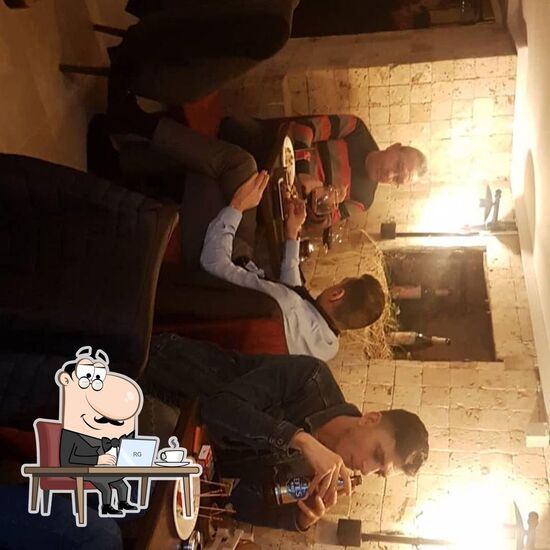
Ask an İzmirli where to take a guest and the honest answer is rarely a single restaurant. It is a stretch of evening that begins with cold meze and ends, hours later, with fruit and a softened argument about whose turn it is to pay. The rakı table is the city's true civic institution, and you learn more about İzmir from one of them than from any monument.
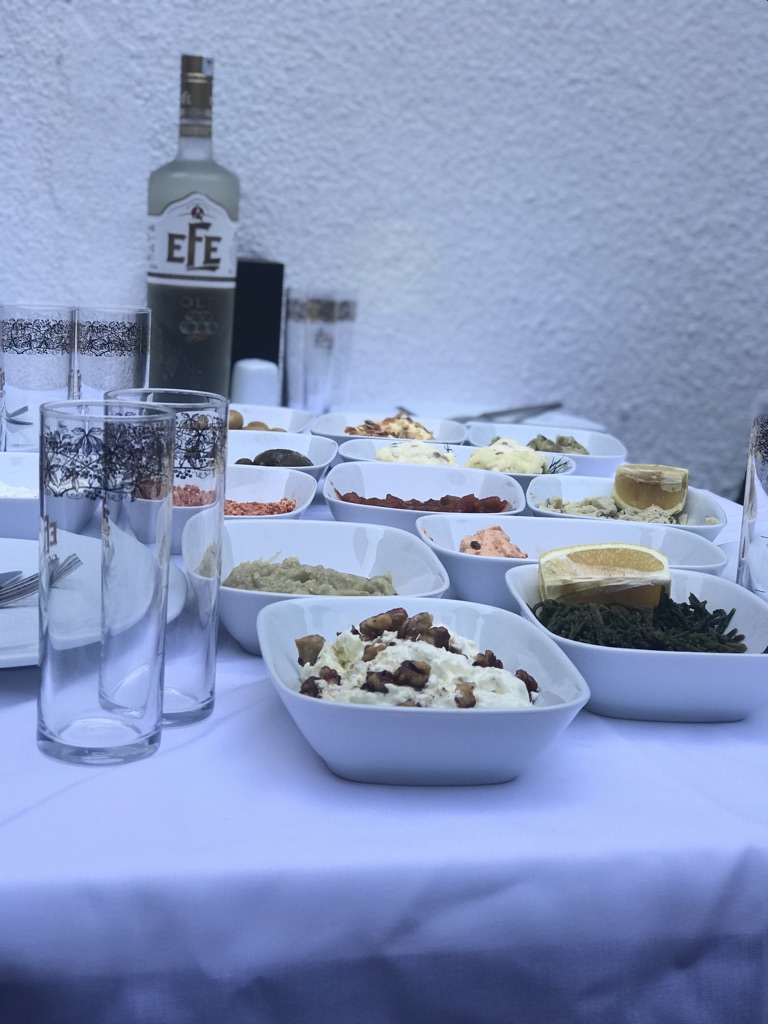
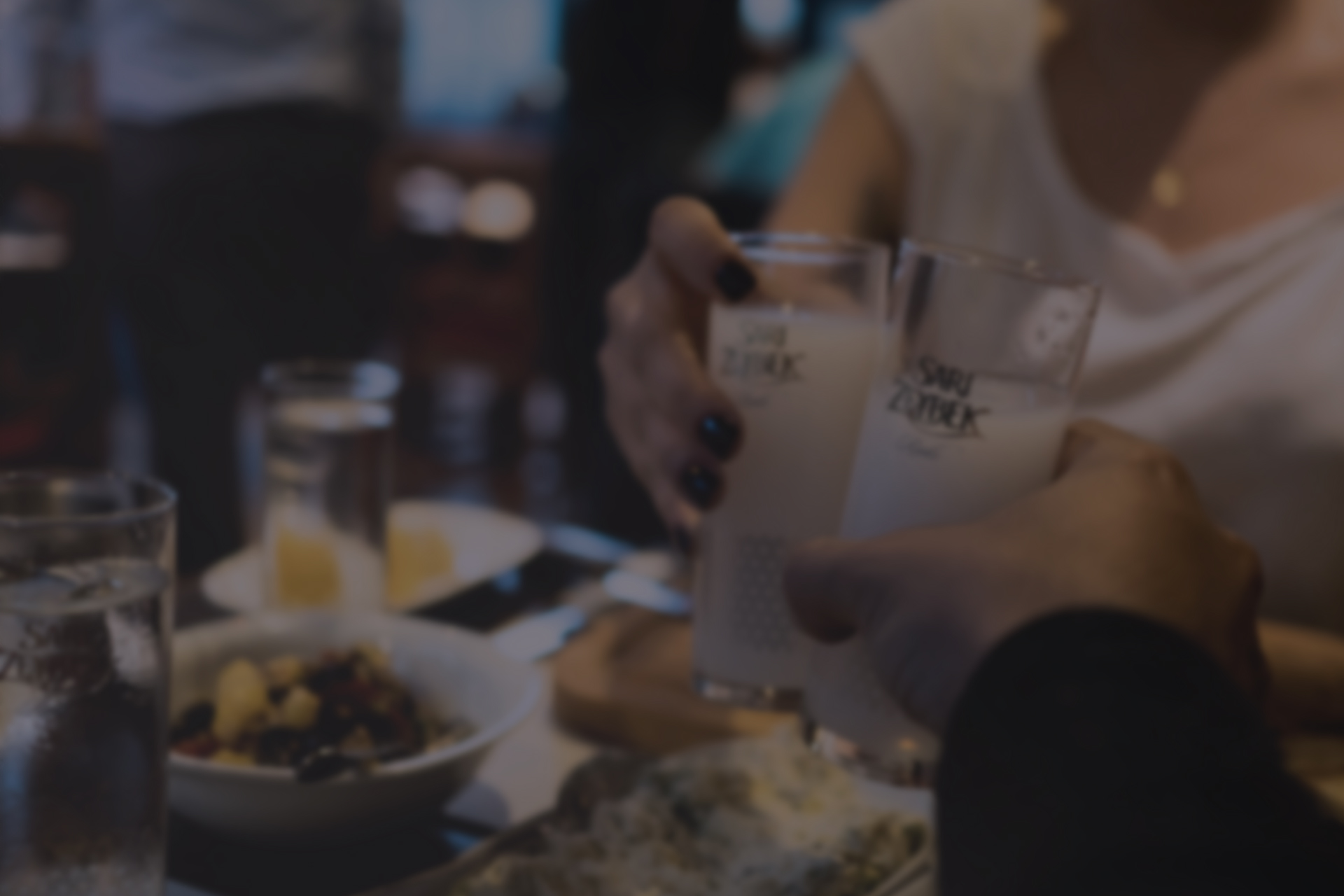
The ritual has a grammar. Cold mezes first, fava, the local samphire, lakerda, a generous spread that should arrive before you have decided anything. Then the hot plates, then the fish, ordered by weight and by what came in that morning rather than by a menu. The rakı is poured slow, watered to a cloud, and meant to last the whole arc. Rushing it marks you as a tourist faster than any accent.
On the Pasaport waterfront, Sakız carries the Aegean-Cretan strain of the city's cooking, the version shaped by the people who came from the islands. A short walk inside, the back streets hide the rooms that locals defend by name. Clup Ali is the one Alsancak invokes when the conversation turns to genuinely fresh fish; it has the unfussy confidence of a place that does not need to advertise.
Beneath İzmir Palas on the Kordon, Deniz has held its position since 1981, the fish house you book when the table is meant to mean something, an anniversary or a deal closed. It is more formal than the meyhane register and proud of it, but the logic is the same: the sea decides the menu, you decide how long to stay.
Two older rooms anchor the tradition away from the water. Hayyam, near Basmane, has poured rakı the unhurried way for three-quarters of a century, and across the gulf-side districts Gandi'nin Yeri has been Bornova's meyhane since 1966, the kind of place where the waiter remembers your father. For an evening that leans on the glass rather than the plate, Madam Bordo and Kuntra have given the city a serious wine vocabulary without abandoning the long-table instinct that makes İzmir İzmir.
The mistake visitors make is treating these as dinner. They are not. Arrive at nine, leave when the chairs go up, and understand that the food, however good, is the excuse and not the event.