Mallorca holds one of the densest concentrations of starred kitchens in Spain — and, in the same villages, some of its most stubbornly unchanged country tables. The island's food culture is the argument between them.
For an island its size, Mallorca carries an improbable amount of fine dining. The starred and star-adjacent kitchens are not clustered in the capital, as they would be on the mainland, but scattered across the countryside — a deliberate geography that tells you the ambition here grew out of the land, not the city. To understand how the island eats, you have to hold two facts at once: it has a serious haute-cuisine spine, and it has never stopped eating the way it did before any of it arrived.
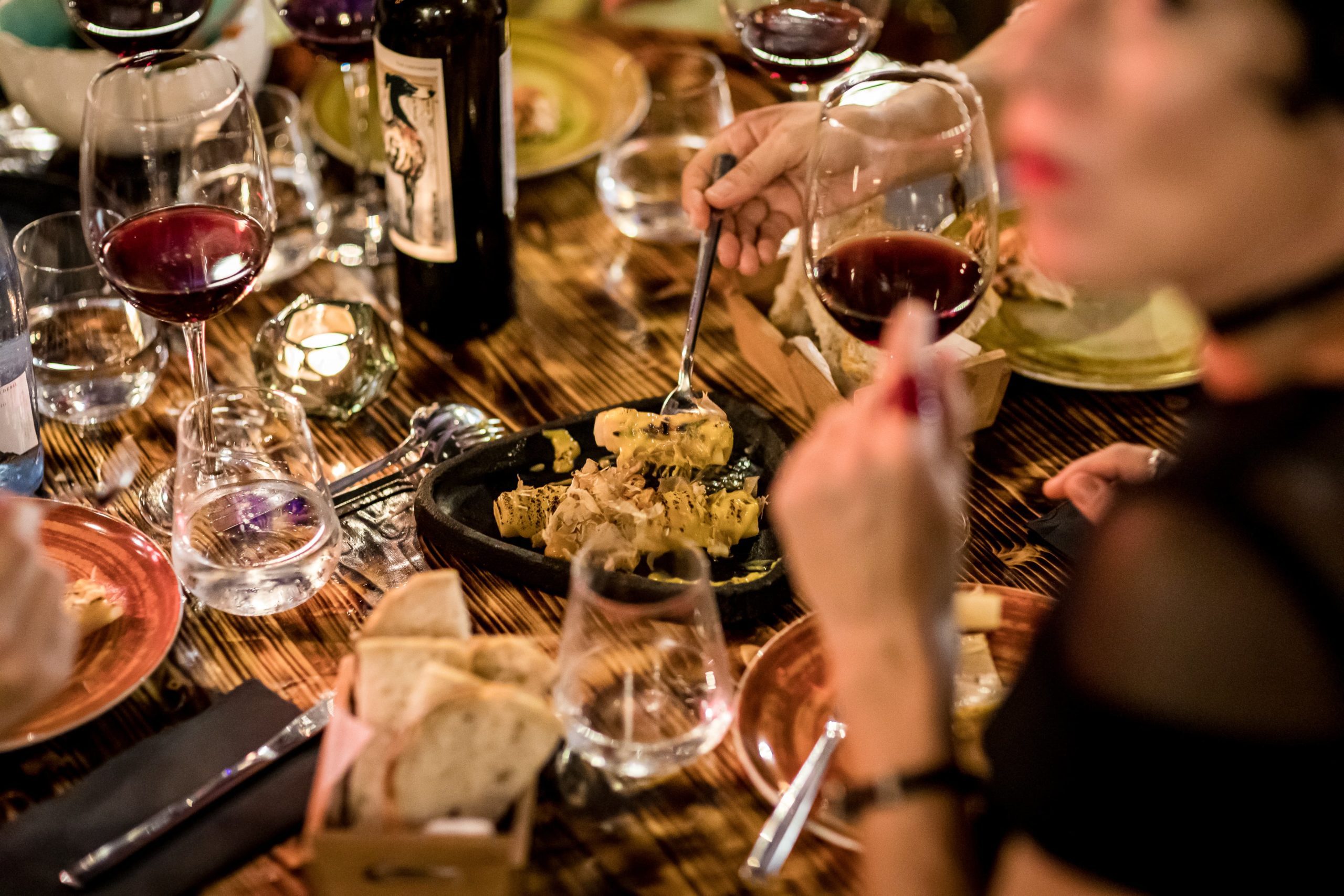
The spine's high points sit out in the country. Voro, near Canyamel, is the island's most decorated contemporary kitchen — a destination tasting menu that people plan a trip around. Across the bay at Port d'Alcúdia, Maca de Castro built her reputation on an island-rooted tasting menu that treats Mallorcan produce as the headline rather than the garnish, the clearest argument that this cuisine can stand at the highest level on its own terms.
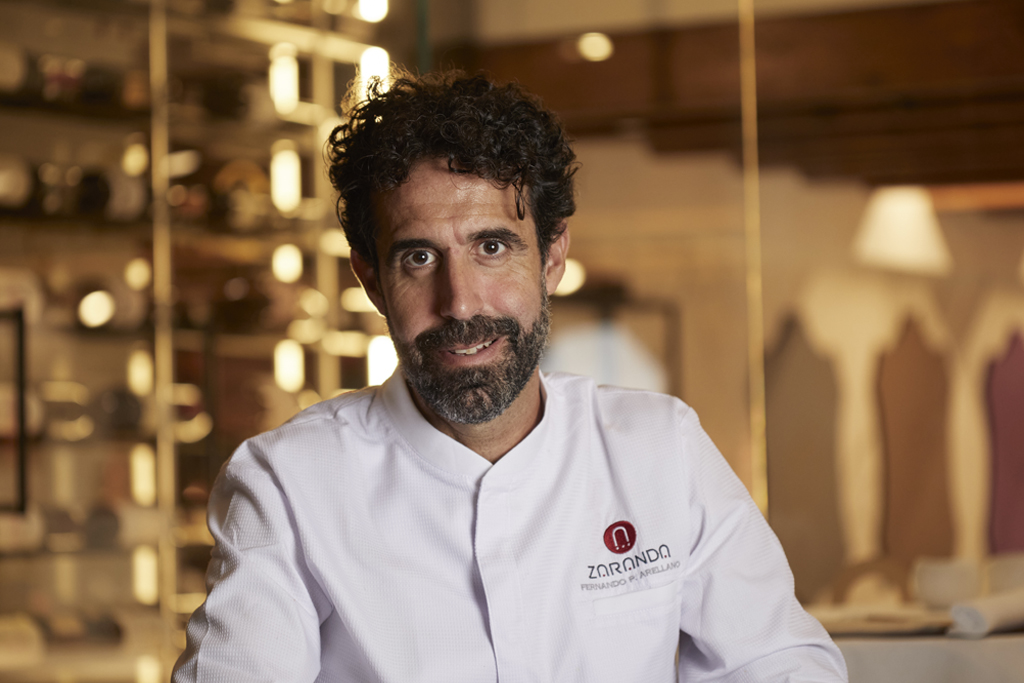
The same conviction runs through Zaranda, the haute-Mediterranean tasting kitchen that relocated into Palma's Sa Calatrava quarter, and through Andreu Genestra near Llucmajor, whose contemporary-Mallorcan cooking is explicitly farm-driven — much of the plate grown within sight of it. These are not French templates with a local accent; they are arguments that the island's own larder is enough.
The most interesting room in this conversation may be DINS Santi Taura, in Sa Calatrava, because it sits exactly on the seam. Santi Taura built a following cooking modern Mallorcan food rooted in old island recipes, and DINS is the refined, tasting-menu expression of that project — heritage dishes rebuilt with technique, the past and the present arguing productively on the same plate.
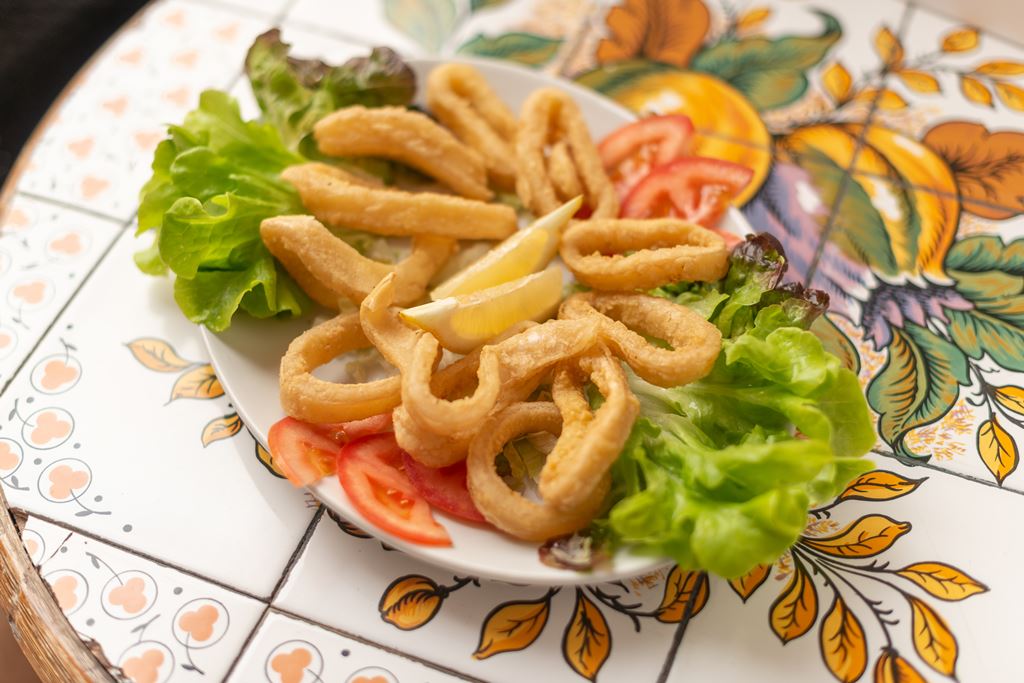
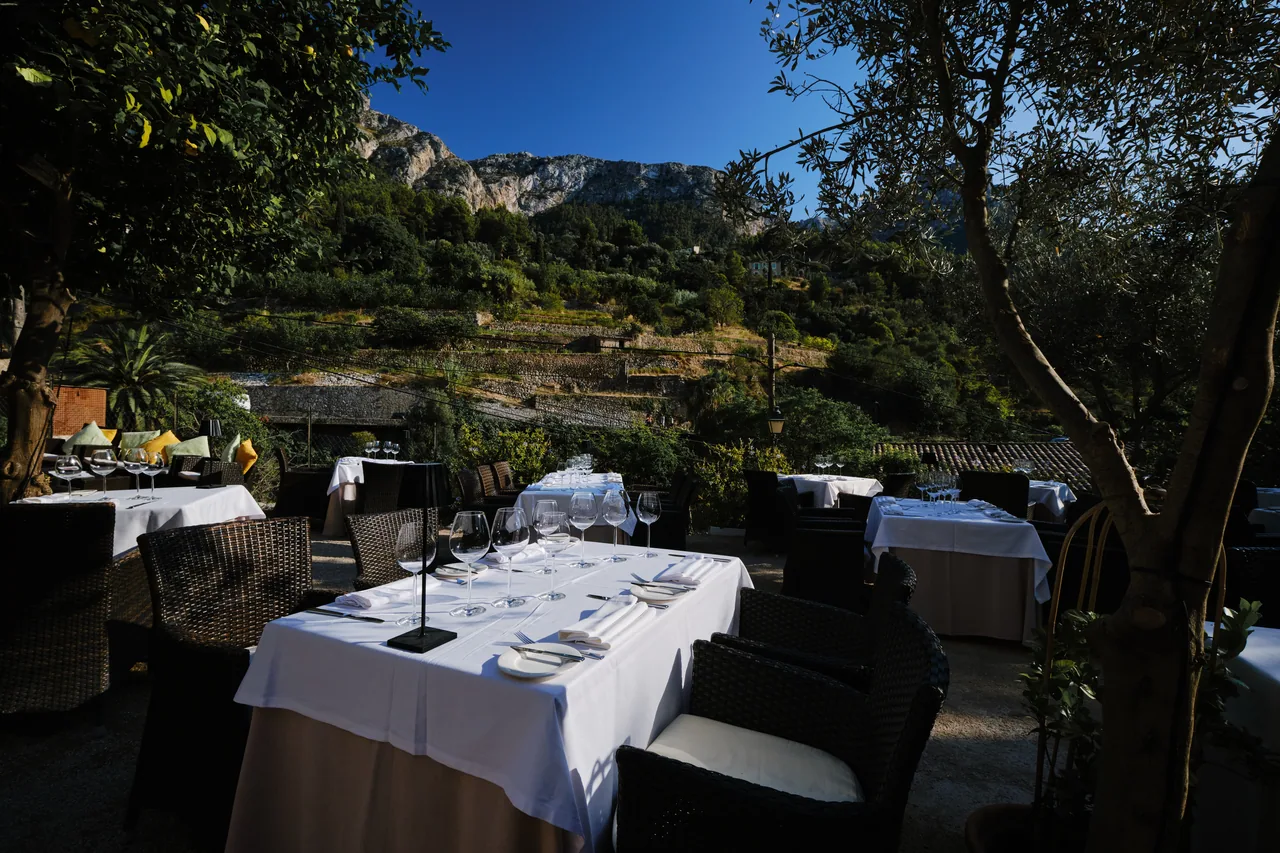
Then there is the other Mallorca, the one the stars grew out of and never replaced. Es Recó de Randa, a country house in the tiny hill village of Randa, serves traditional Mallorcan cooking in the register it has always used — rustic, generous, unhurried, indifferent to fashion. It is not a lesser version of the tasting kitchens; it is their source material, the thing they keep returning to and refining.
Celler Ca'n Costa in Alcúdia makes the point even more plainly. A celler is a Mallorcan institution — a former wine cellar turned dining room — and this one occupies a 16th-century house, serving the slow-cooked island classics that the cellers have always served. Eating here is a history lesson disguised as lunch: this is the food the whole edifice of modern Mallorcan cuisine is in dialogue with.
The mistake visitors make is treating these as a hierarchy — the starred rooms as the 'real' destination, the country tables as a quaint warm-up. The island itself doesn't see it that way. The honest table and the haute kitchen are two halves of one culture, and the most fluent way to eat Mallorca is to refuse to choose: a tasting menu at Voro or Maca de Castro one night, slow-roast tradition at Es Recó de Randa or Ca'n Costa the next, and the understanding that the second is what makes the first mean anything.