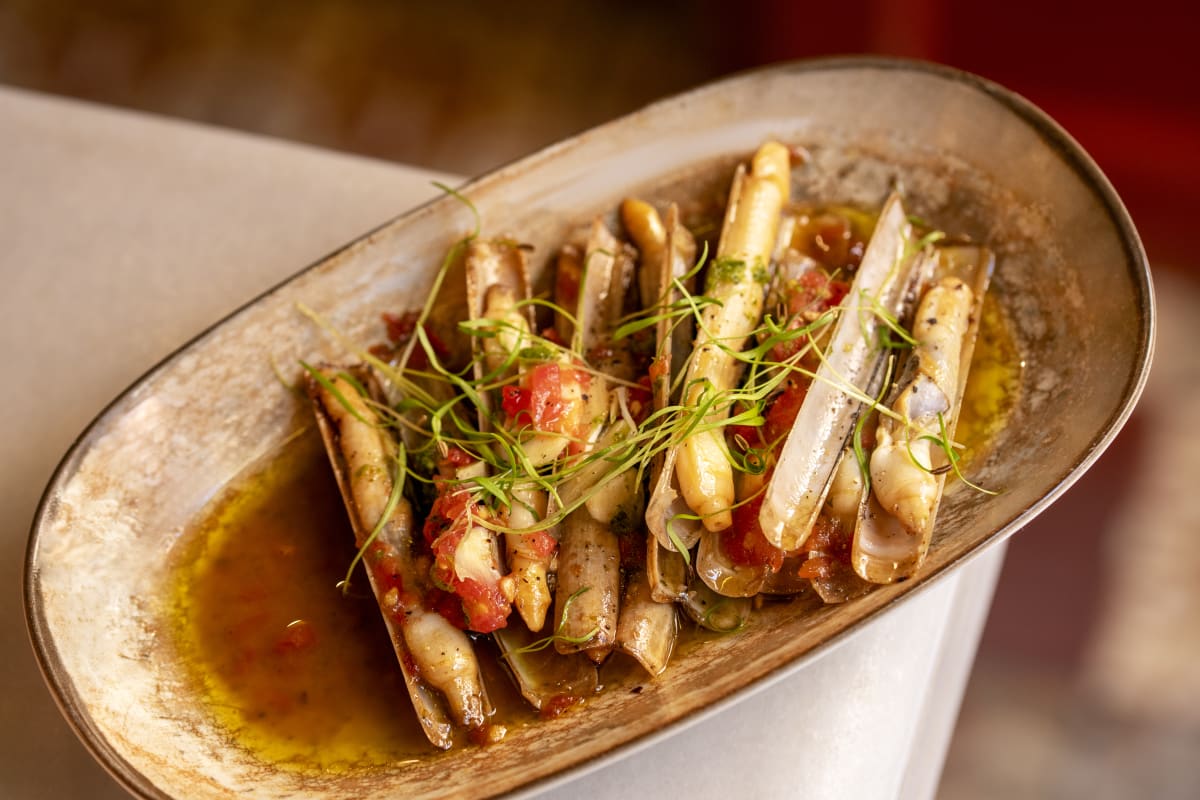
Barcelona drinks wine the way it eats, without ceremony, by the glass, over good cheese and tinned fish. A generation of low-intervention bars has made the city a natural-wine reference, but the deeper pleasure is the candlelit taberna where the bottle is just one part of the room.
Catalonia has made wine for two thousand years, but the way Barcelona drinks it now is defiantly informal. The standard is a copa at the counter, a board of cheese and charcuterie, and a list that leans into small, low-intervention growers rather than trophy labels. The natural-wine movement here is not a pose; it is the logical extension of how the city already eats.
Bar Brutal, entered through the Can Cisa wine shop in El Born, is the standard-bearer, minimal-intervention bottles, sharp small plates, a defiantly anti-sangria attitude and seriously good glassware. In Gràcia, Bar Salvatge pours eight rotating wines on tap plus a deep list of biodynamic growers, with cheese, charcuterie and good bread keeping the drinking grounded and a small terrace that fills fast.
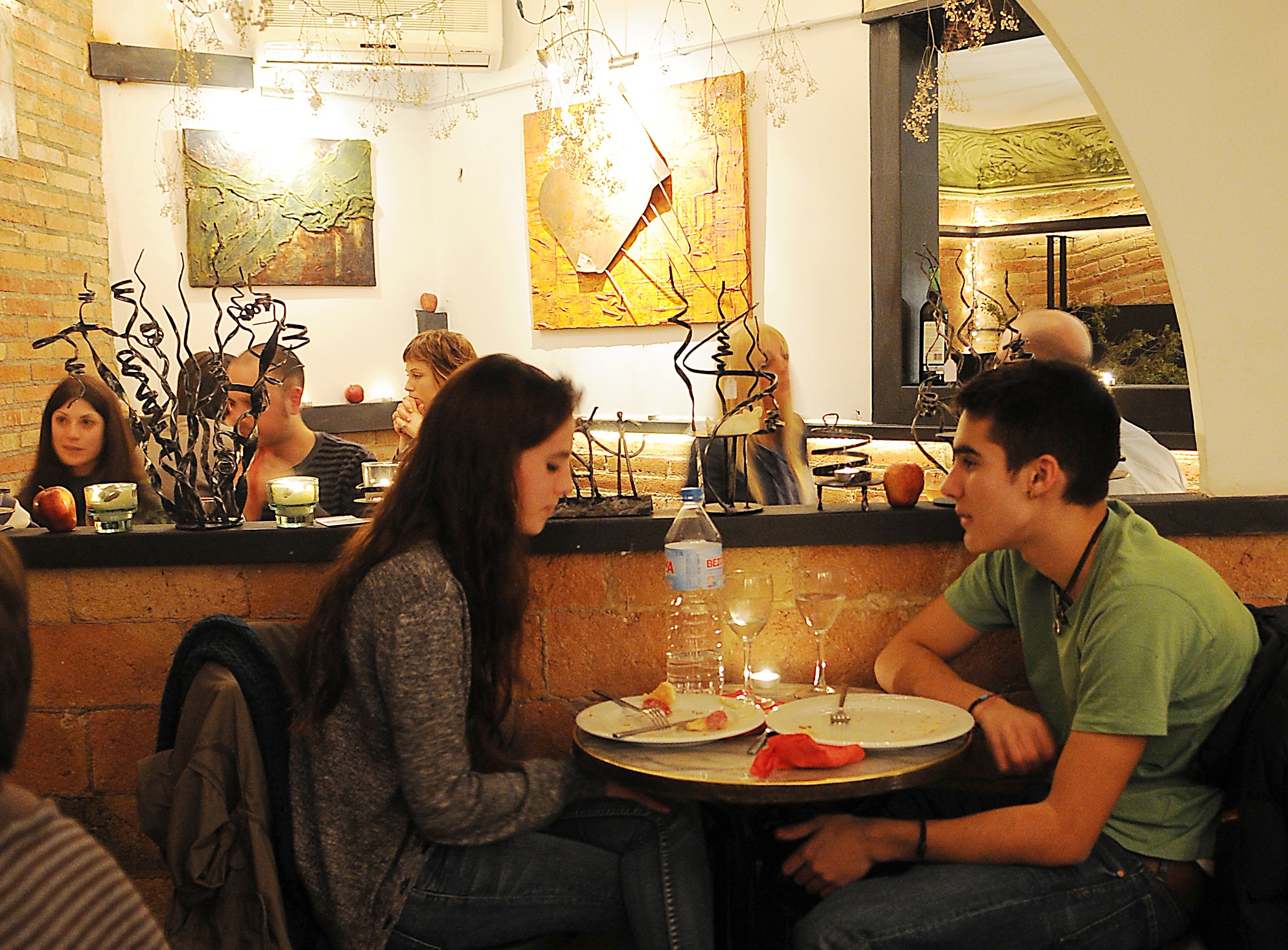
The taberna format runs deeper than the trend. Els Sortidors del Parlament in Sant Antoni opens from a small door into a big candlelit room of upturned barrels and walls of wine, the list leaning into northern Catalan growers at fair prices, paired with tinned seafood and cured-meat boards, a long-lunch or late-evening room with no tourist theatre. Bar del Pla, near the Picasso Museum, pairs modern-tinged Catalan tapas with around a hundred bottles spanning biodynamic, organic and barrel wines.
Two rooms in the old quarters prove that wine and atmosphere are inseparable. Onofre Vins, just off the Gothic tourist grid, is wine shop, deli and restaurant at once, framing herbed-cod carpaccio and original cheese boards with affordable Spanish bottles. In Poblenou, Can Recasens occupies a 1906 former butcher's shop with original tiles, serving Catalan cheese, embotits and torrades by candlelight in a warren of rooms that doubles as an informal gallery.
And then there is the heritage end of the spectrum, where the wine bar predates the word natural by a century. El Xampanyet, tiled and standing-room since 1929 on Carrer de Montcada, pours its house cava alongside marinated anchovies, touristy at peak but a true heritage bar that locals still defend. It is proof that Barcelona's wine culture was always casual, always edible, long before the movement gave it a name.
Drink the way the city does: order one bottle the bar recommends, build a board to match it, and stay long enough that the room changes around you. The label matters less than the company and the cheese. That is the Barcelona wine lesson, and it has nothing to do with scores.