August is the month the world thinks it wants. The locals know better — the real Marbella, and the best tables, belong to the long golden shoulder seasons when the coast exhales.
Marbella has a season the way an opera has a climax, and that season is August: every table booked, every beach club at capacity, prices floating free of gravity, the coast road a slow river of rental Ferraris. It is the month the postcards are sold on. It is also, by some distance, the worst time to actually be here — and learning that is the beginning of understanding the place.
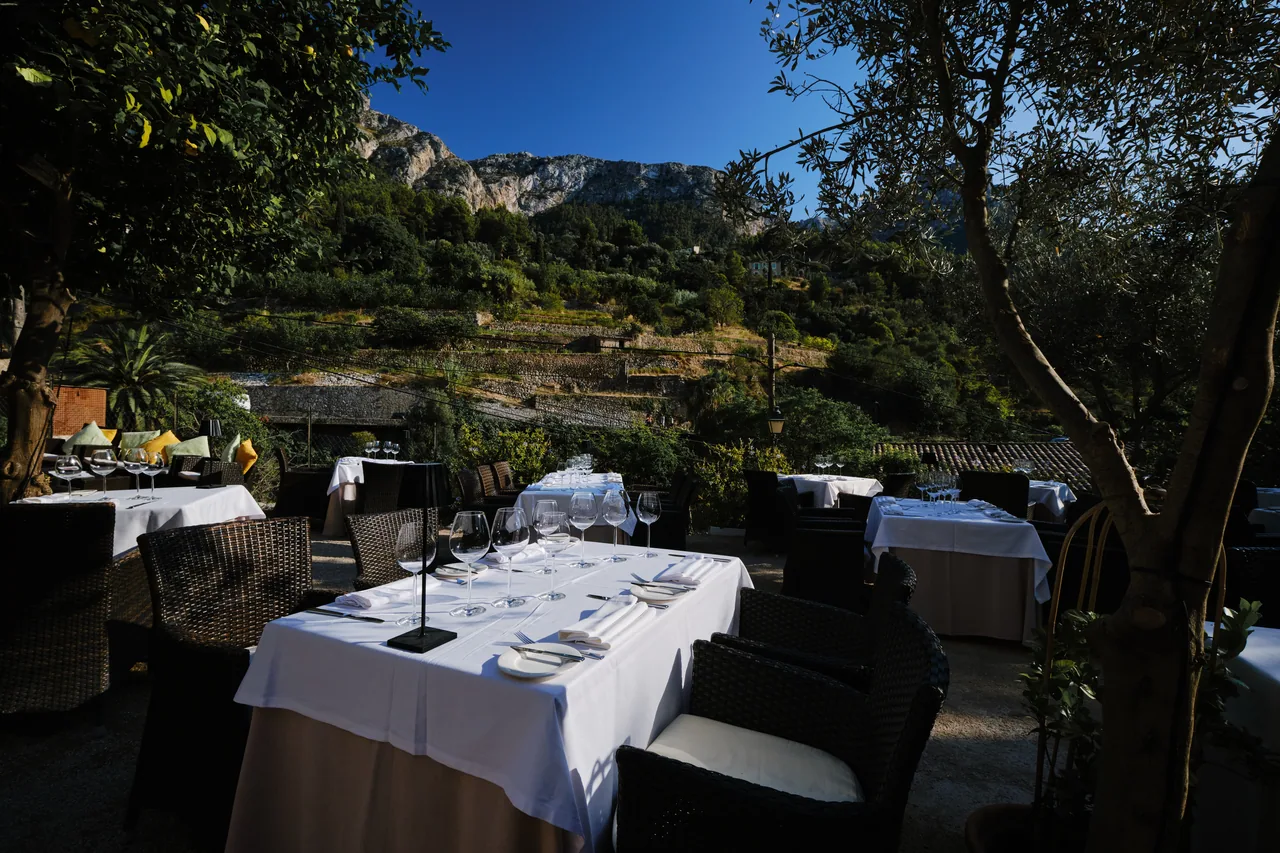
The secret the regulars guard is the climate. This is one of the mildest microclimates in Europe, sheltered by the Sierra Blanca, with something close to three hundred days of sun a year. Which means the shoulder seasons — May and June, late September into November — aren't a consolation prize. They are the main event: warm enough for the terrace and the sea, empty enough that the town becomes legible again, and the moment when the kitchens that spent August in survival mode start cooking for pleasure.
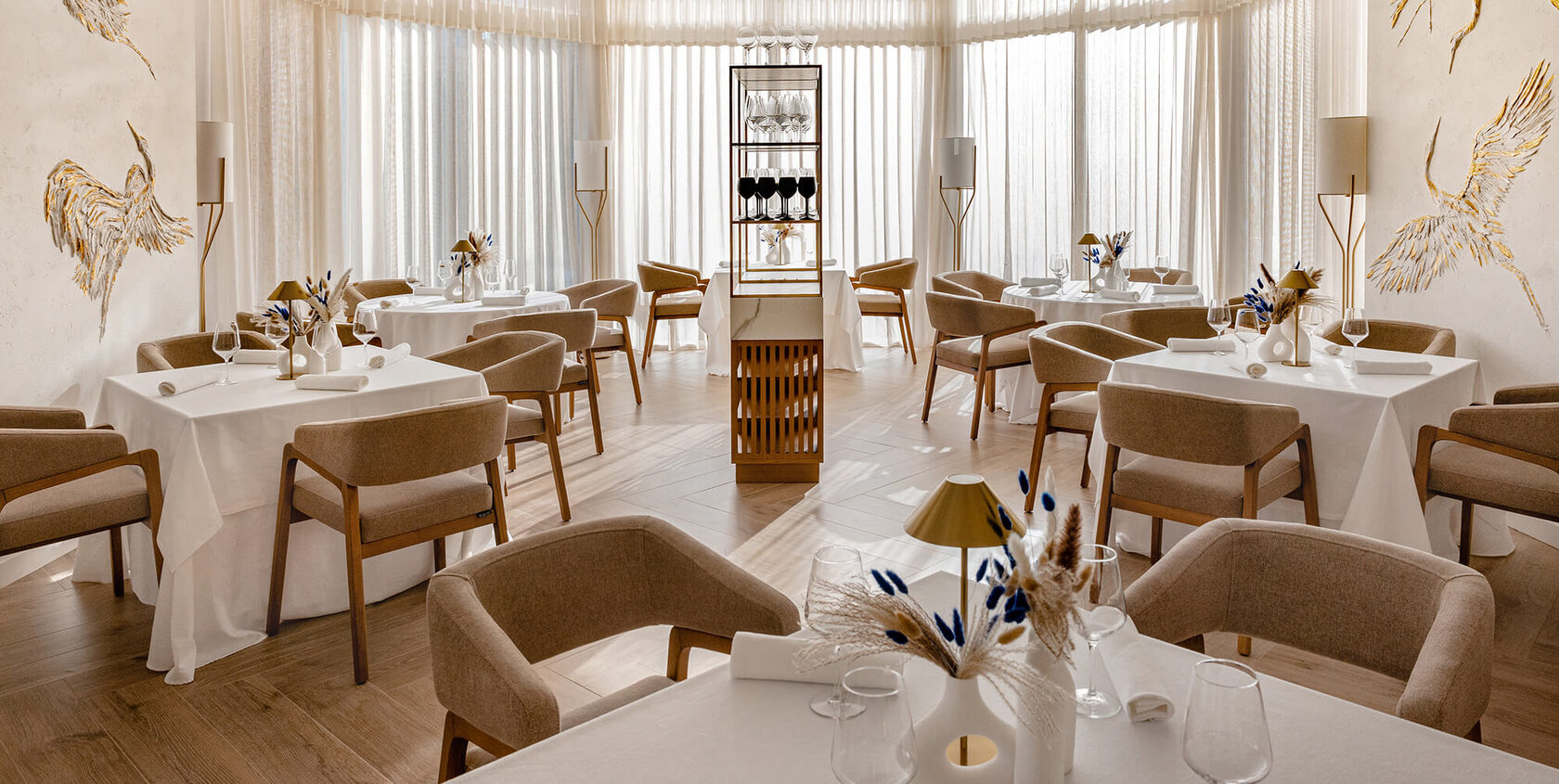
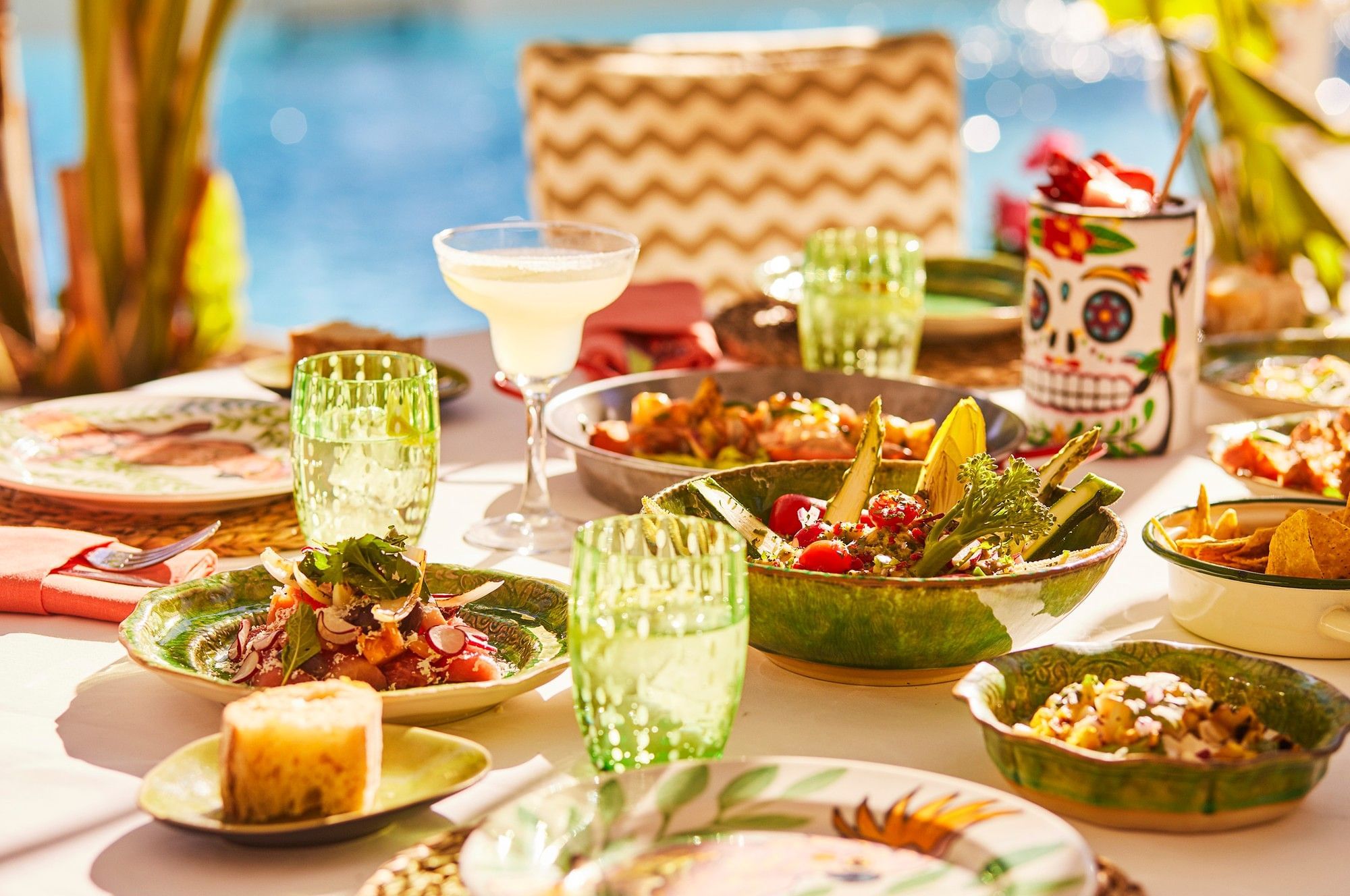
Spring is when seasonality stops being a menu cliché and starts being the actual reason to book. Boho Club builds its cooking around what the season hands it, and in the green months that garden setting and that produce-driven kitchen are working at full stretch. The same is true at El Lago out in Elviria, whose fine dining is rooted in the marshes and small producers of its own hinterland — a kitchen that is only as good as its calendar, and at its best when the calendar is generous.
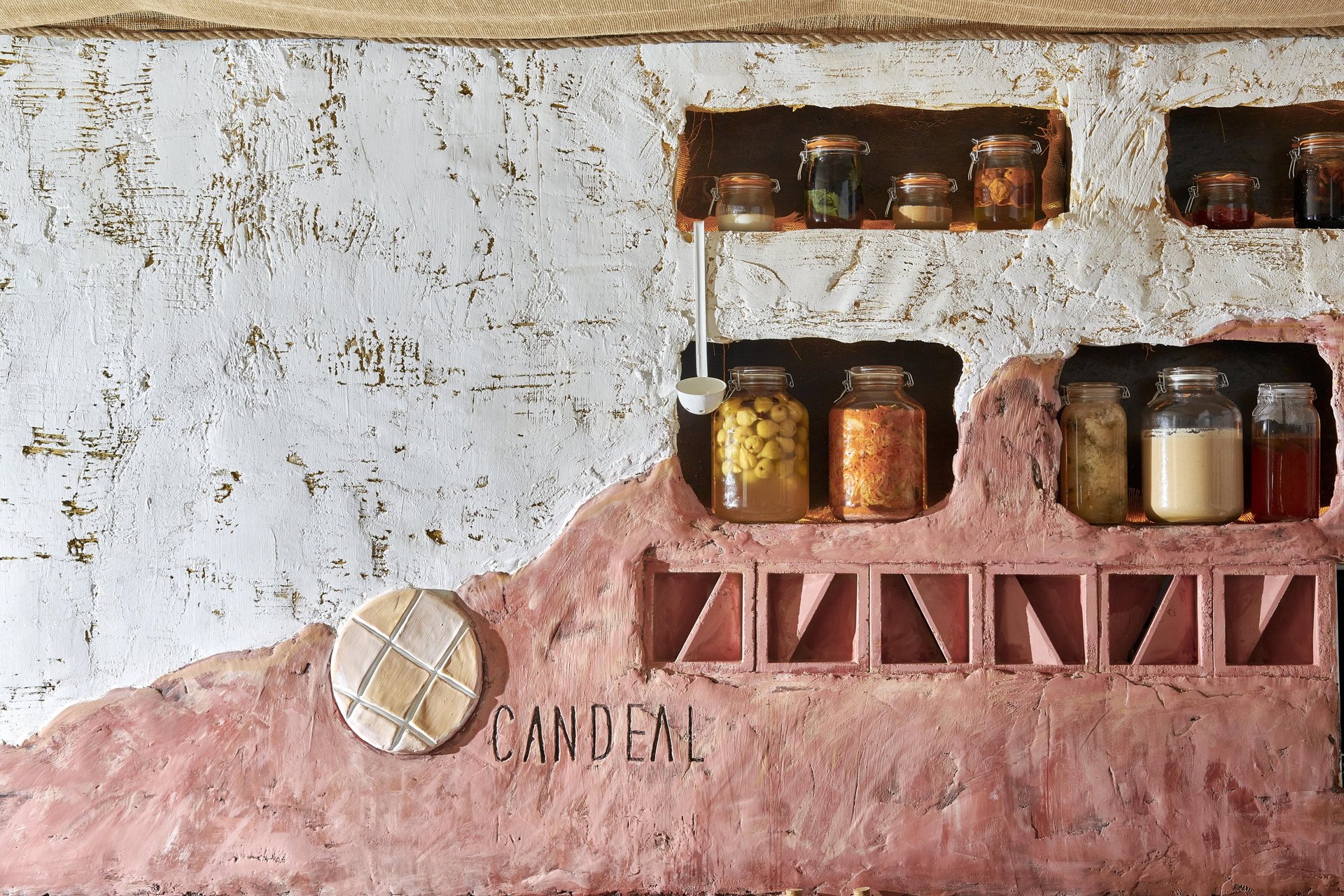
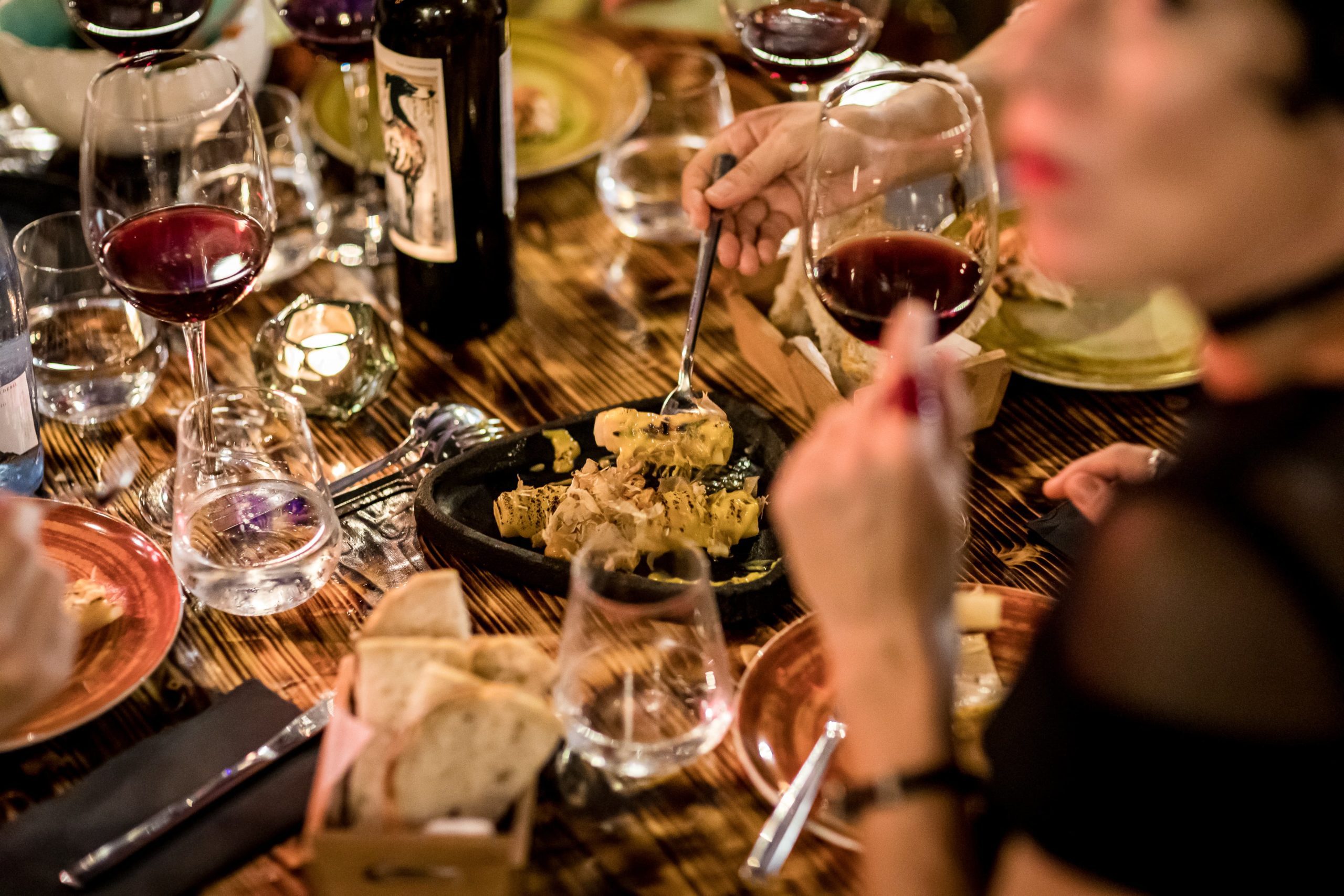
Autumn rewards a different appetite. As the heat softens, the inland and produce-forward rooms come into their own: Candeal in the Old Town, chef-driven and intimate, is far more pleasurable across a quiet October table than a frantic August one, and the cooking has the room to land. This is also when wine season properly begins — Subtil out in Elviria, with its short, seasonal, low-intervention list, is a cooler-weather pleasure, the kind of natural-wine evening that the heat of high summer actively works against.
Winter, which barely registers as winter, is the connoisseur's Marbella. The crowds are gone, the light goes long and low and gold across the bay, and the grand hotel kitchens settle into their most generous register. The Grill at Marbella Club — classic, French, garden-set — is exactly the kind of timeless room that is better in January than in August, when you can have the place and the service and the fire more or less to yourself. Even a romantic, garden-set table like Zozoï reads completely differently without the peak-season churn around it.
And the slow seasons reveal the parts of Marbella that have nothing to do with tourism at all — the town that goes on being a town when the visitors leave. The specialty-coffee culture is a good tell: a place like Ladybug Coffee Roasters in the centre is built for residents and regulars, not the August surge, and it hums quietly all year in a way the beach clubs simply can't.
So invert the calendar. Come in May, in October, in the soft middle of winter, and you get the version of this coast that its own people prefer: the same kitchens, the same light, the same astonishing climate — minus the crowds, the queues and the August surcharge. The peak is the postcard. The shoulder is the place.