Massimo Bottura turned a sleepy balsamic town into a global pilgrimage. The marvel of Modena is that it absorbed the fame without losing its four-table hosterie and its lunch-counter trattorie — the avant-garde and the ancient share the same arcades.
Modena is a small city — you can cross the historic centre on foot in fifteen minutes — and for most of its history it was famous chiefly for vinegar, opera, and fast cars. Then a local chef named Massimo Bottura took a cramped dining room on Via Stella and, over two decades, made it the most argued-about restaurant on earth. The interesting cultural story is not the rise of Osteria Francescana; it is what happened to the town around it. A lesser place would have been hollowed out into a single-attraction theme park. Modena instead used the spotlight to illuminate everything it already had.
Francescana itself remains the apex: three Michelin stars, a tasting menu that treats Emilian memory as raw material — the famous 'five ages of Parmigiano,' the deliberately 'broken' lemon tart — and a reservation process that feels like applying for a visa. It is worth every hoop if you can clear them, not because it is the best meal in the region by some objective scoreboard, but because it is an argument about what this region's ingredients can become. You leave thinking differently about balsamic and bollito, which is the point.
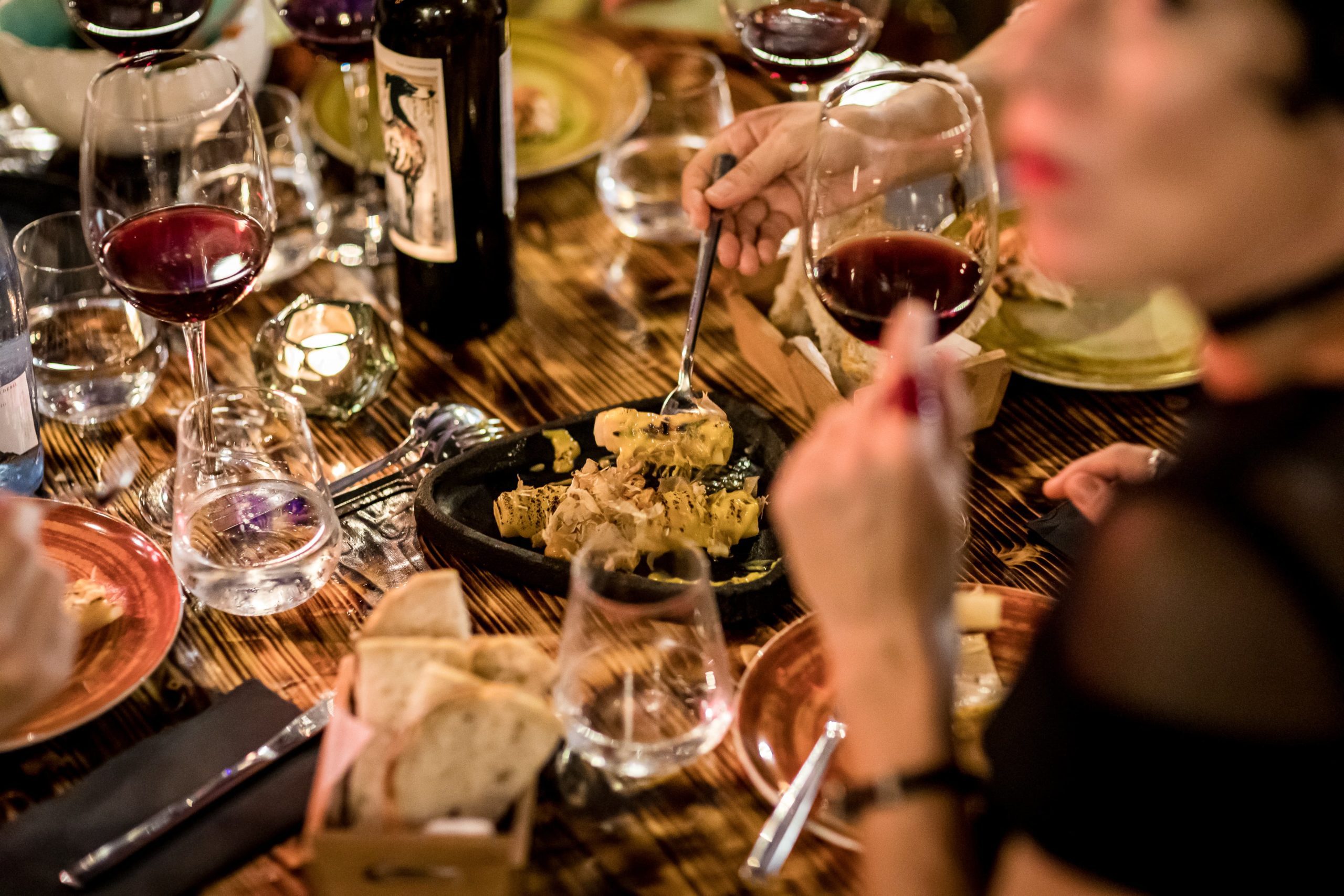
Bottura's own answer to the access problem sits a short walk away: Franceschetta 58, his casual bistro, where the kitchen's intelligence is decanted into a shorter, cheaper, walk-in-friendly format. It is where you go to taste the sensibility without the pilgrimage — playful, seasonal, unmistakably from the same brain, but a Tuesday-night proposition rather than a once-in-a-decade one. For locals it is the more honest read on what the Francescana orbit actually means day to day.
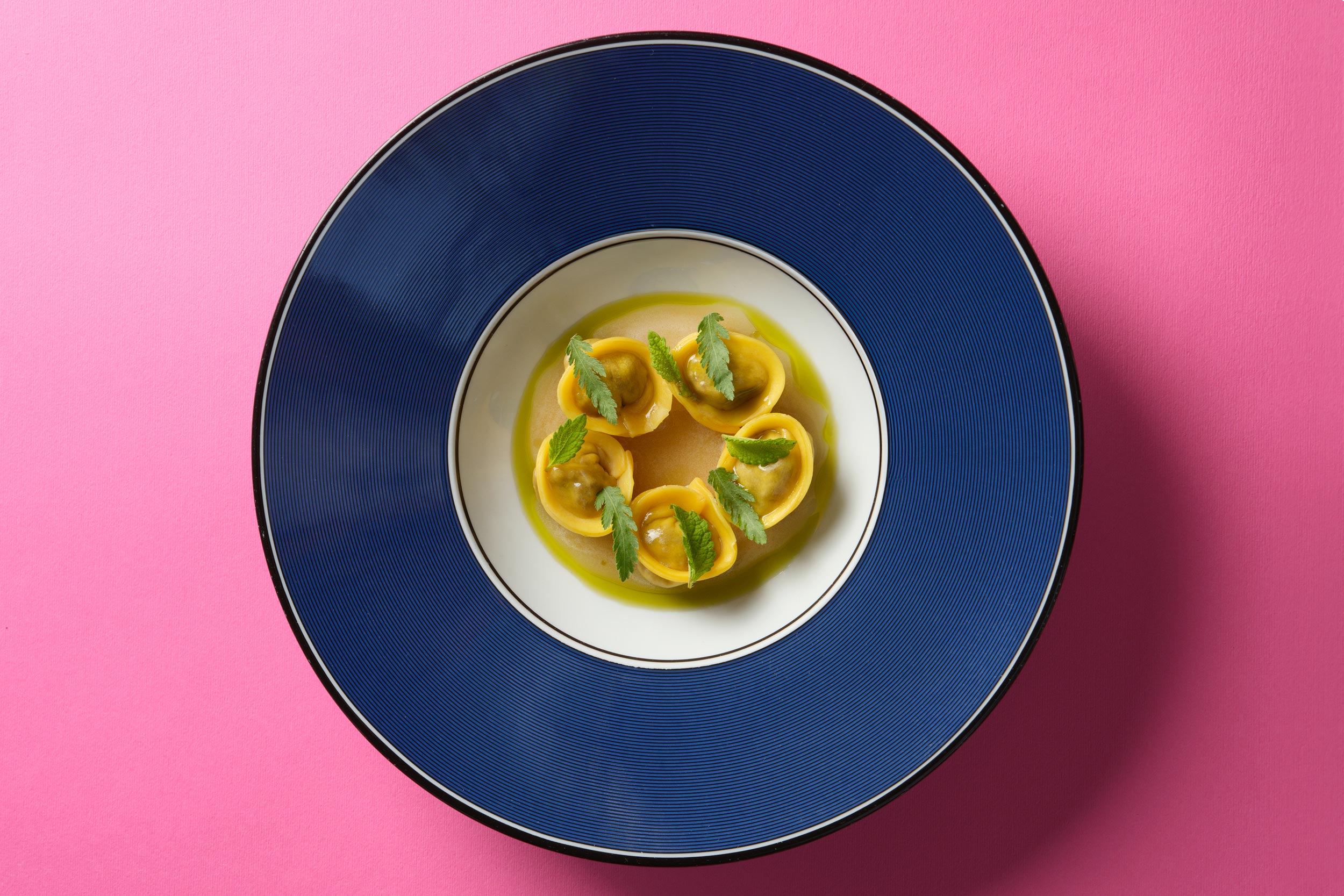
But the soul of Modena is older and smaller than any star. Behind a salumeria on Via Farini, Hosteria Giusti hides four tables in a back room and serves lunch only — a tiny, historic, almost secret institution where the cotechino fritto and the tortellini are as good as anything in the city and the whole experience feels like being let into a family's private dining room. You book weeks ahead for one of four tables; it is the antithesis of scale, and it is sublime.
Down at street level, the town keeps its everyday faith at Trattoria Aldina, a first-floor lunch room beloved for tortellini in brodo and a brusque, no-frills warmth — the kind of place office workers and market traders have always eaten, where the bill startles you with its smallness. This is Modena feeding itself, untouched by the Francescana economy, and it is essential counter-programming to the tasting-menu circuit.
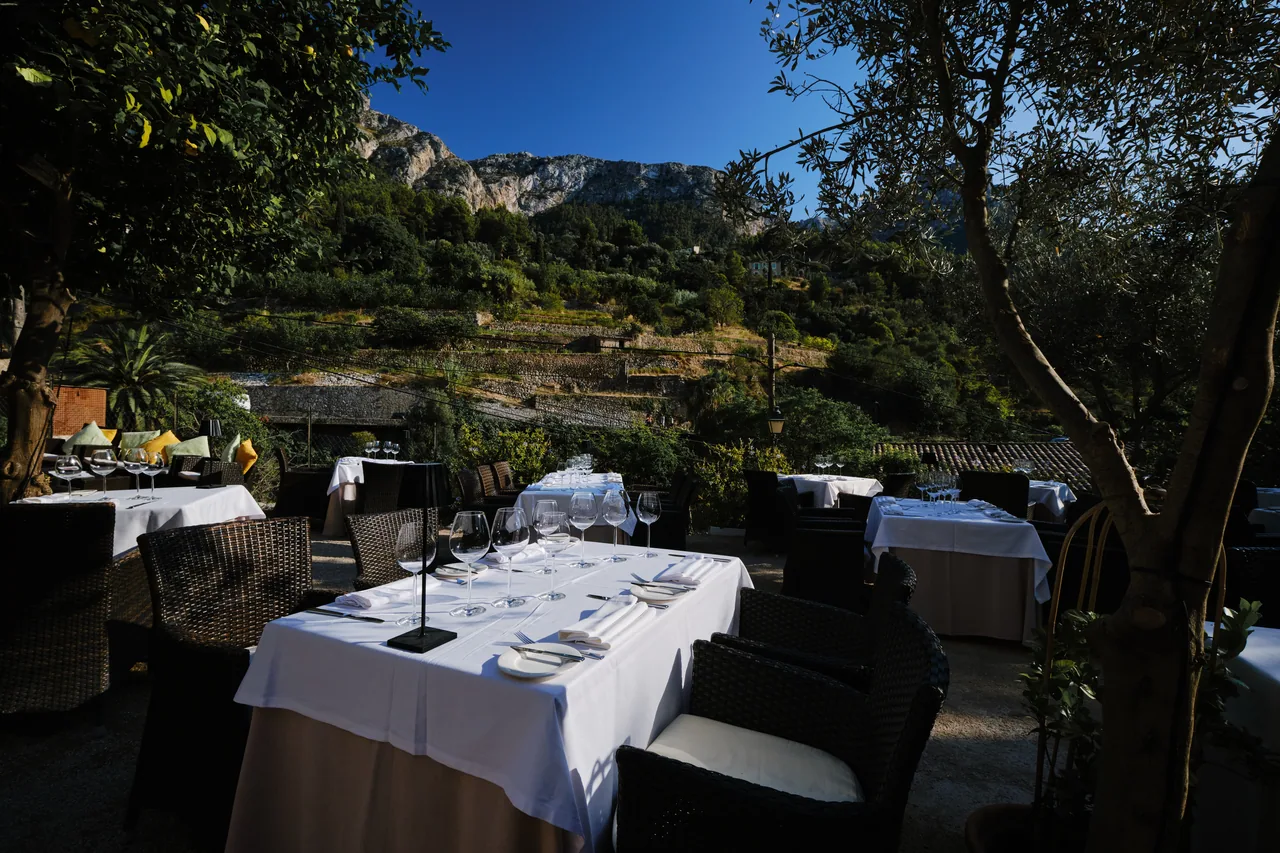
Between the two poles sits the city's quieter fine-dining alternative, L'Erba del Re, a Michelin-starred kitchen near the Mercato Albinelli that pursues creative Emilian cooking with intimacy rather than spectacle — the choice for a night when you want ambition without theatre. And if you have a car, drive forty minutes to Imola for San Domenico, the grande dame of classic Italian haute cuisine, where the cooking descends from the French-influenced courtly tradition and the tortelli and the famous uovo in raviolo are executed with a precision that predates and outlasts every trend. Modena teaches the lesson the whole region keeps repeating: the new and the old are not rivals here. They are neighbours, and they eat at each other's tables.