Ten minutes east of the Duomo, the crowds thin and the city goes back to work. Sant'Ambrogio is Florence's real market quarter — a covered hall, a morning produce square, and the restaurants that have fed the neighbourhood for decades.
If the Mercato Centrale near San Lorenzo has become a food court for the city's visitors, Sant'Ambrogio is where Florence still does its actual shopping. The market sits on two registers: an open-air square of fruit and vegetable stalls that wraps up by early afternoon, and a smaller covered hall of butchers, fishmongers and cheese counters that supplies half the kitchens in the quarter. Come before noon, watch what the cooks are buying, and you will understand the neighbourhood better than any monument can teach you.
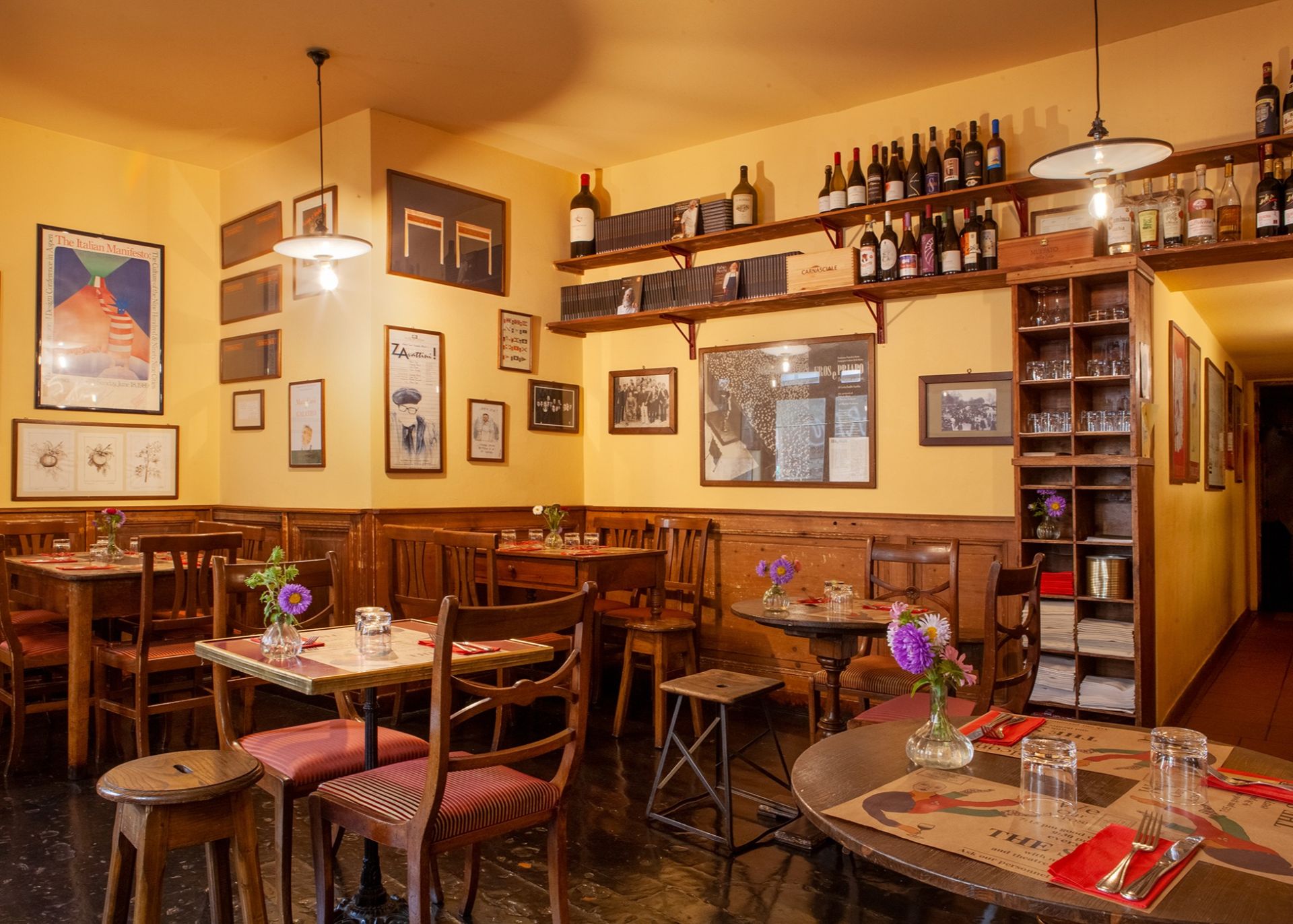
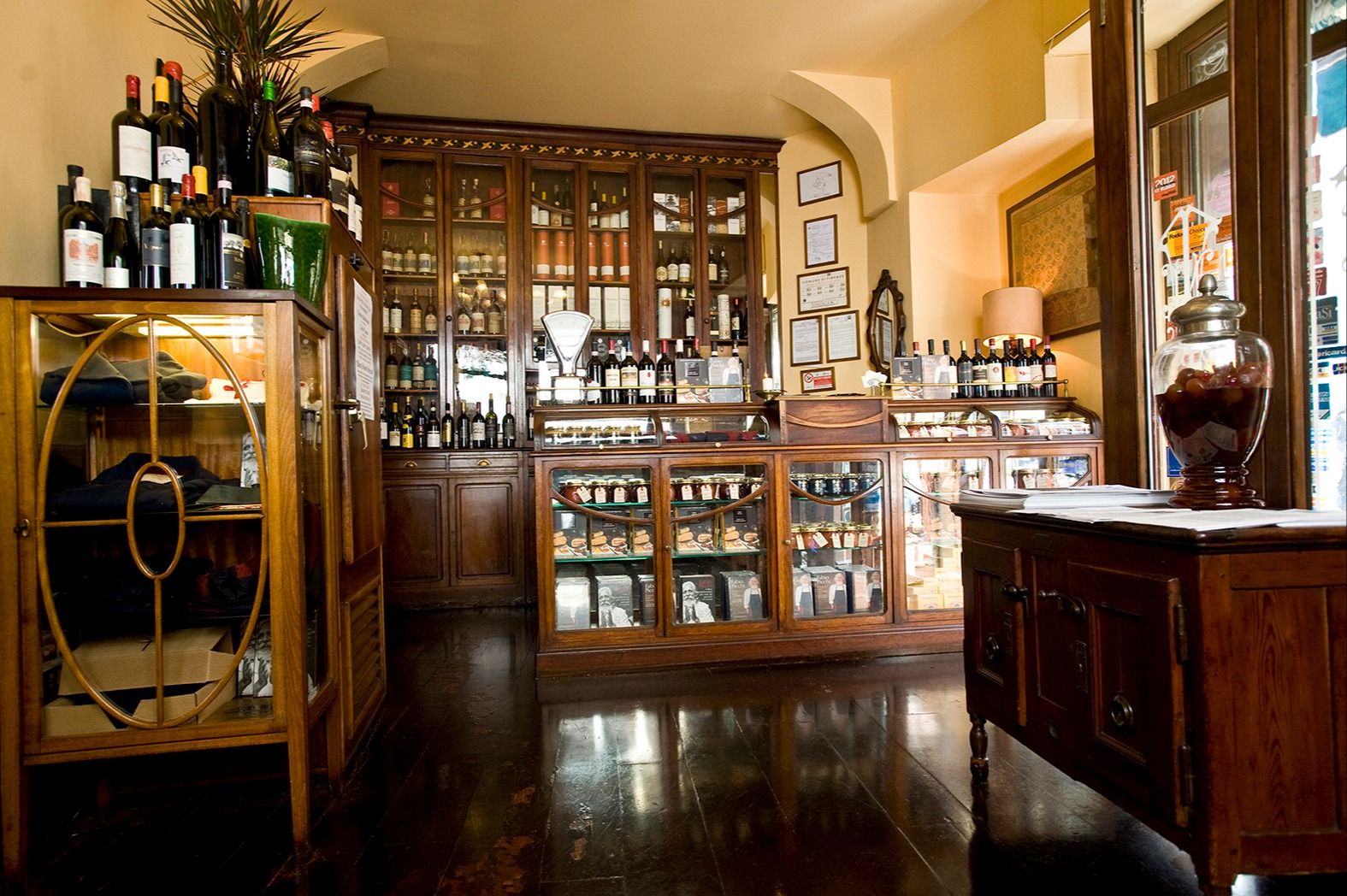
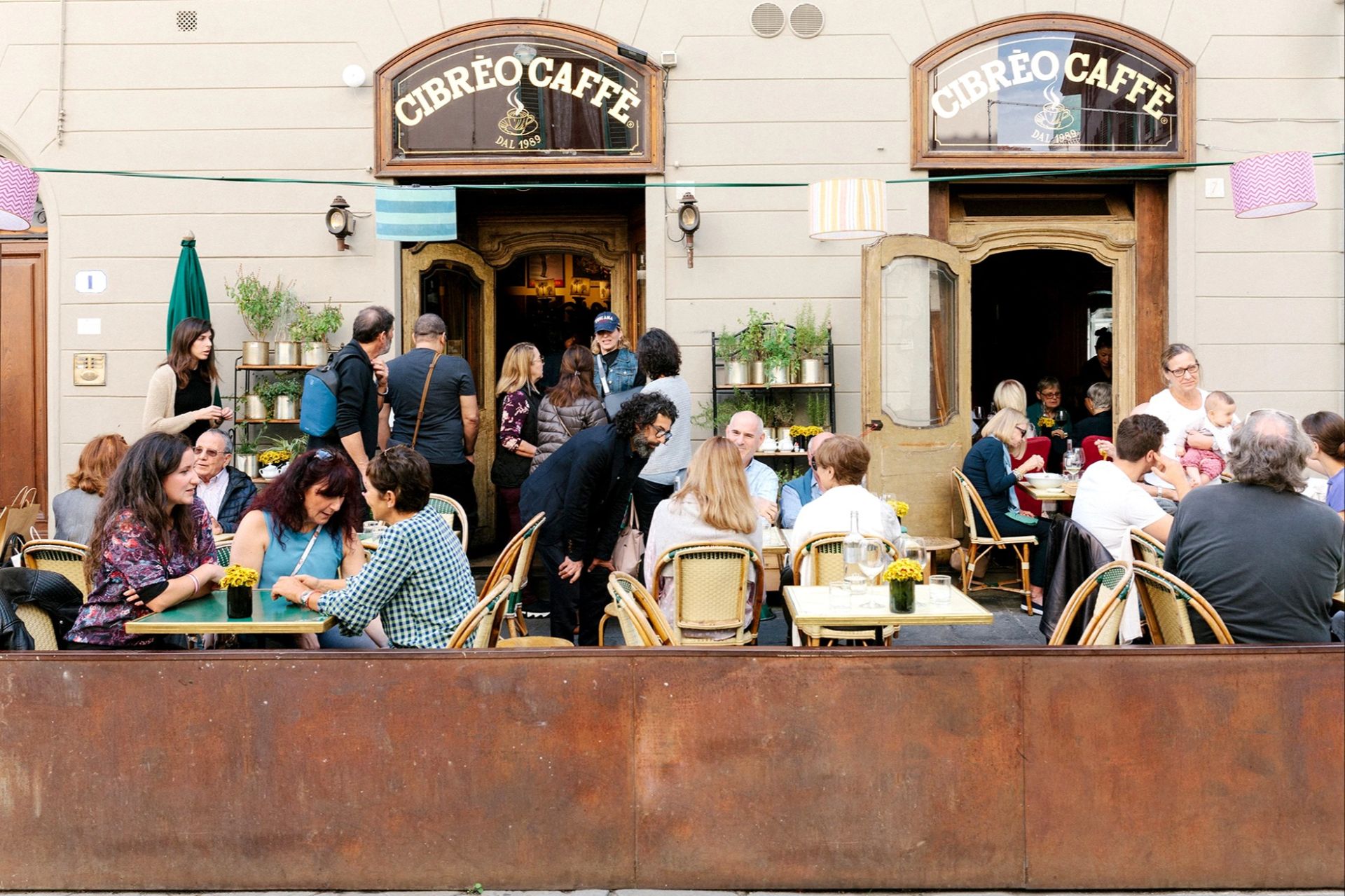
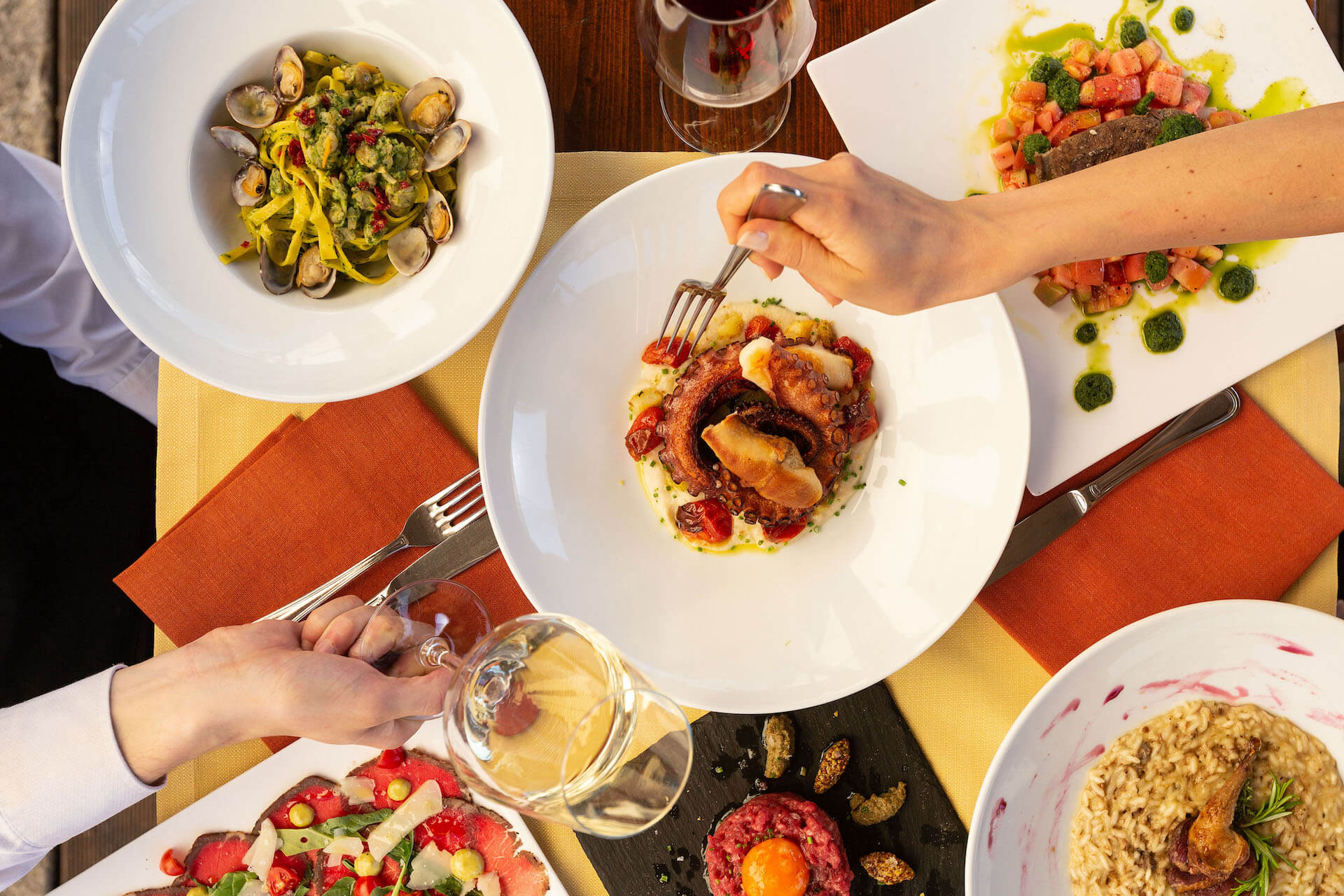
The defining table here belongs to the Cibrèo constellation. Fabio Picchi's restaurant rewrote Florentine cooking for a modern palate without abandoning its grammar; the more affordable trattoria, the Cibrèino, serves the same kitchen's ideas at the pace of a neighbourhood lunch — no pasta on the menu, by old house rule, and all the better for it. The adjoining Cibrèo Caffè extends the philosophy to coffee, cake and the long Florentine afternoon.
Around the market the working city eats simply and well. Trattoria da Rocco, a stall inside the covered hall itself, serves a full sit-down lunch to market workers for the price of a sandwich elsewhere. Semel, a tiny counter facing the square, has built a cult on inventive panini assembled with a chef's instinct. L'Ortone brings a calmer, more contemporary room to the same streets, and Il Pizzaiuolo has been turning out true Neapolitan pizza here since long before the city had any other.
The newer guard has settled in without disturbing the rhythm. Nugolo cooks a confident, ingredient-led menu that reads the market daily, the kind of place that signals a quarter is alive rather than embalmed. For something sweeter, Dolci e Dolcezze is widely held to make the finest chocolate cake in Florence — a small, serious pastry shop that has never needed to advertise.
Sant'Ambrogio rewards the visitor willing to treat Florence as a city rather than a museum. Shop the market, eat where the stallholders eat, and let the afternoon dissolve at a caffè table. This is the version of the city that does not appear on the postcard rack — which is precisely why it is worth your morning.