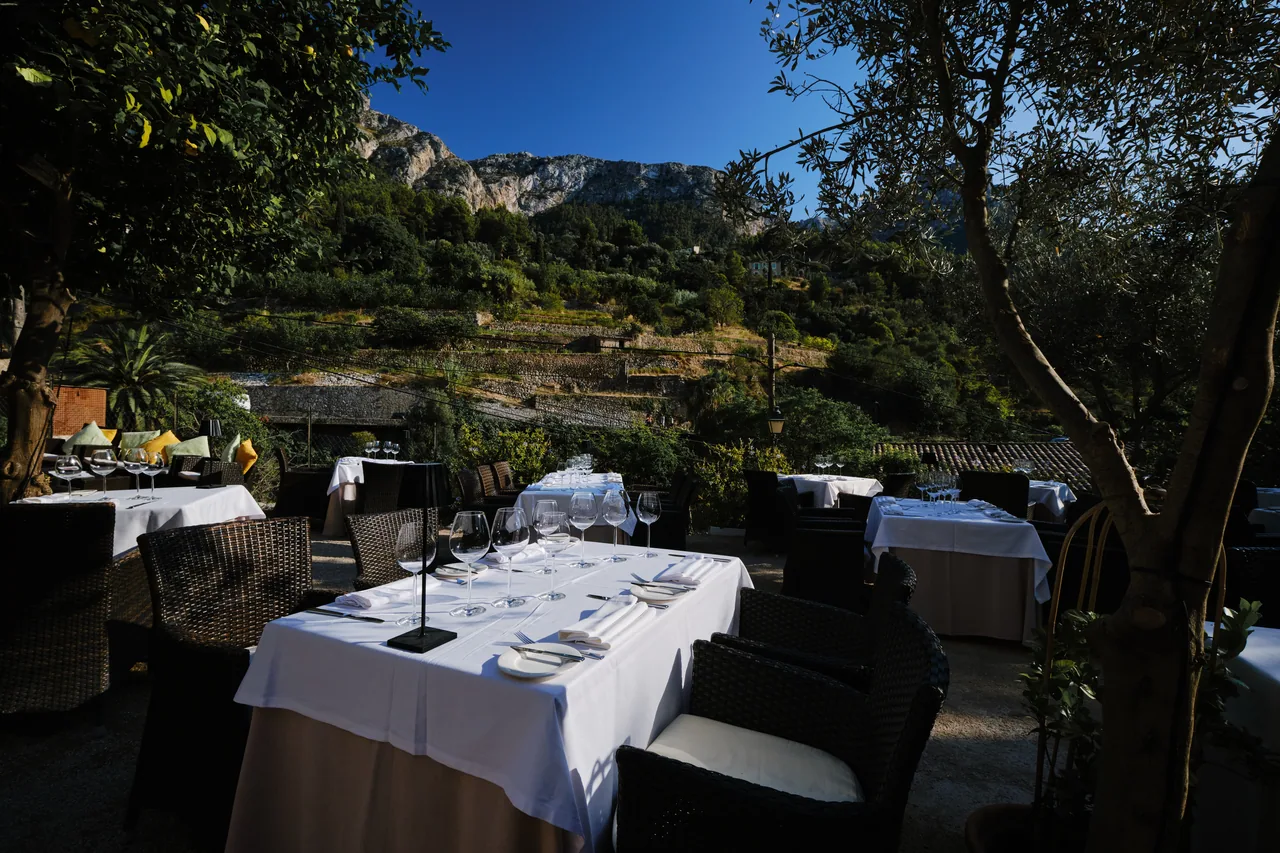
Vila Nova de Gaia is where Porto's wine actually sleeps. Climb the hill above the lodges and you find dining rooms with the city laid out at your feet and a century of port in the cellar below.
Technically, Gaia is a different city. The Douro is the municipal border, and everything that calls itself 'Porto wine' is actually aged on the south bank, in the dark, cool lodges that have stacked the hillside since the British wine merchants arrived in the eighteenth century. From the Ribeira you see them as a wall of red-tiled roofs and painted brand names — Graham's, Taylor's, Kopke — and the rabelo boats moored below as decoration. Cross the Dom Luís bridge, though, and Gaia stops being a postcard and becomes one of the most serious places to eat in the whole region.
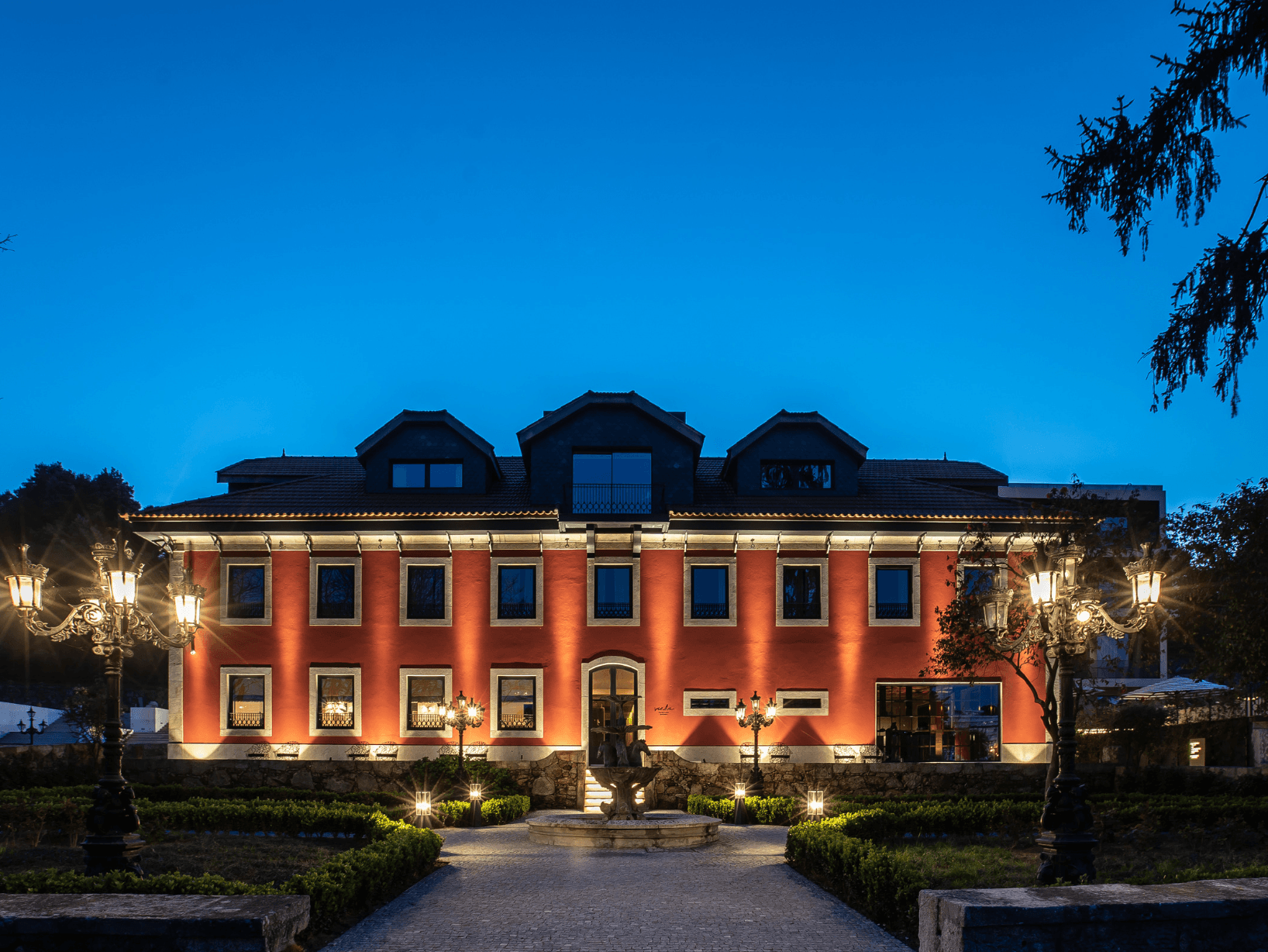
The summit of all this, in every sense, is The Yeatman. Built into the slope above the lodges, its terrace is the single best seat for the Porto skyline — the cathedral, the Clérigos tower, the whole tumbling waterfront across the river — and its dining room is a genuine wine destination, with a cellar deep enough to be intimidating and a kitchen that reads modern Portugal through a refined, occasionally theatrical lens. You come for the food; you stay because the light over the river at dusk does things that no restaurant can engineer.
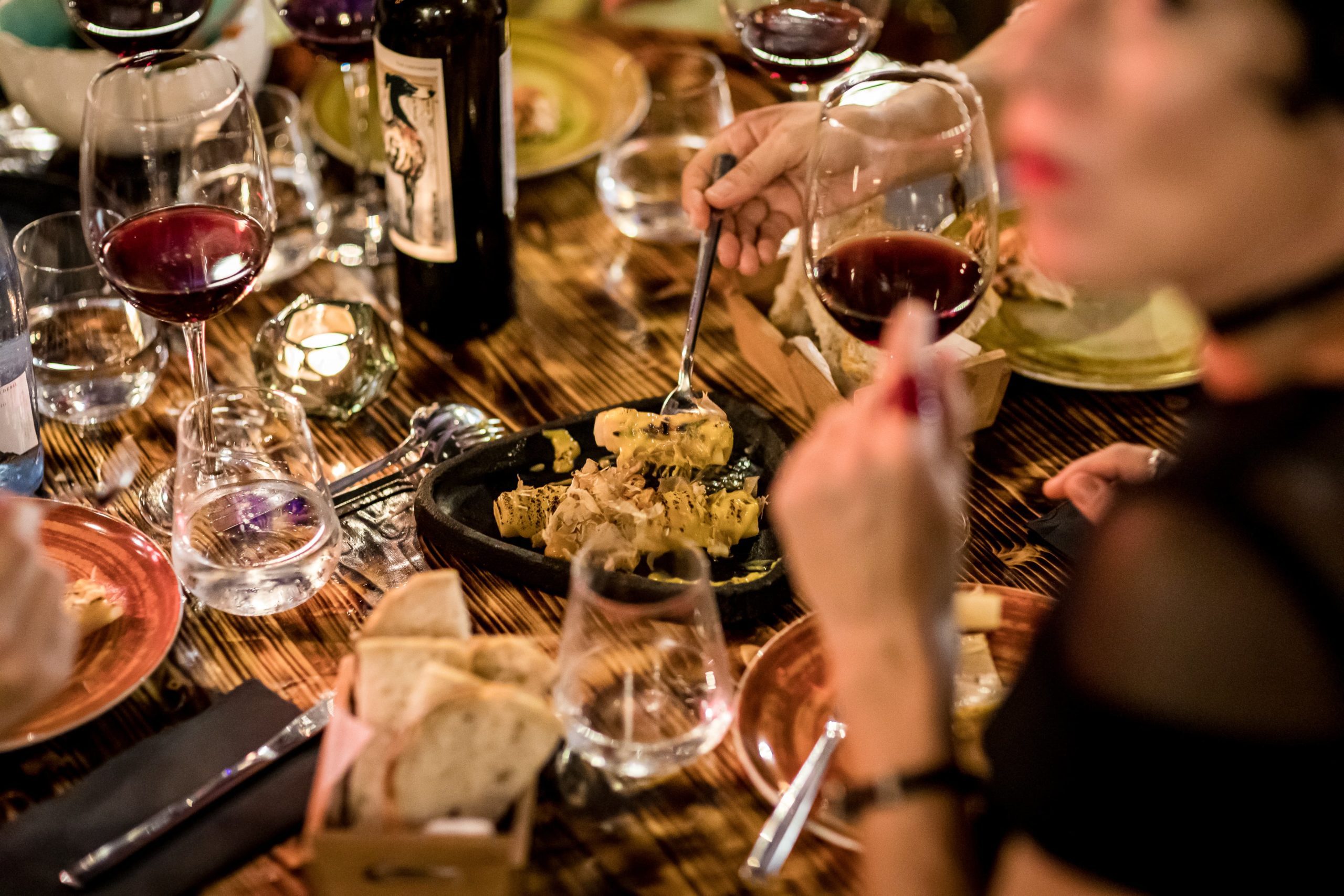
Lower down, Vinha takes the wine-country idea and makes it warmer and more contemporary. It is the address for someone who wants the Gaia experience — the river, the bottles, a kitchen that respects the produce — without the full ceremonial weight of The Yeatman. The cooking is confident and unfussy, the list naturally leans into the Douro, and the room has the ease of a place that knows it doesn't need to prove anything to the view.
But Gaia's deeper pleasure is that you can build a whole evening out of the lodges themselves. Start at Graham's 1890 Lodge, the most polished of the great houses, where the tasting room looks back across the water and the vintage flights walk you through decades the way a sommelier walks you through a cellar. The structure of a great port — the way a twenty-year tawny tastes of walnut and dried fig and time — lands differently when you're drinking it in the building where it aged.
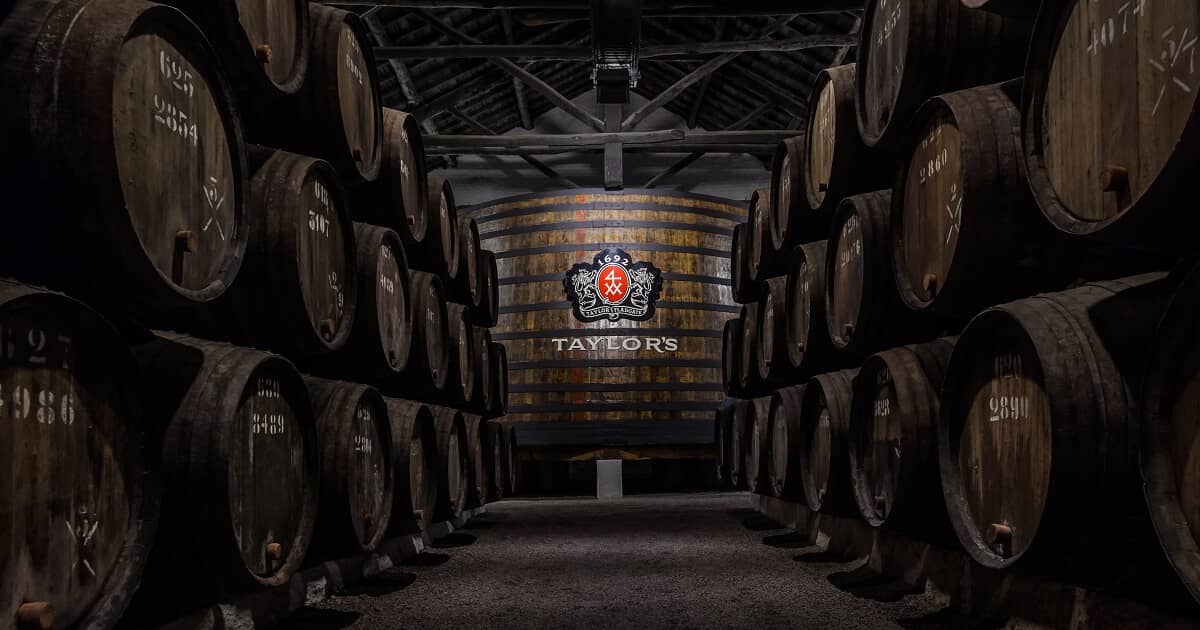
Taylor's Port Cellars offers the same education with a terrace attached, and on a warm evening the move is simple: a flight of aged tawnies, the city glittering across the gorge, and absolutely nowhere you need to be. Taylor's has the grandeur of the old trade without the stuffiness, and its garden terrace is, quietly, one of the best aperitivo spots in greater Porto even though no one in Gaia would ever use that Italian word.
For the intimate end, Casa Kopke sits close to the waterfront and trades on the oldest port name of all — the house dates its lineage to 1638. The tasting room is small and the focus is on the colheitas, the single-harvest tawnies that Kopke is famous for, poured in a setting that feels more like a private library than a tourist stop. It is the right last act: a glass of something forty years old, the river going dark, Porto lighting up on the far bank.
The whole point of Gaia is the crossing. You eat looking back at the city you came from, the wine in your glass made from grapes grown sixty miles upriver in the terraced Douro, aged here within sight of where it will be drunk. Few wine regions let you stand quite so completely inside the story. Do it slowly, and do it at dusk.