A few blocks around the Gerard Douplein have become the most serious low-intervention drinking quarter in the Netherlands. Zeeland oysters arrive daily, the wine is poured by people who have met the grower, and the rooms are small on purpose. This is De Pijp eating the way its residents do.
De Pijp has long been Amsterdam's market neighbourhood, built around the Albert Cuypmarkt and a dense grid of nineteenth-century streets. Over the past decade a particular kind of room has clustered here: small, product-driven, and far more interested in what is in the glass and on the half-shell than in décor. The shorthand is natural wine and oysters, but the through-line is sourcing.
Start at Brut de Mer on the Gerard Douplein, a tight industrial-cosy bar that takes a daily delivery of Zeeuwse oysters and keeps a short fruits-de-mer list and a wall of low-intervention bottles. It is widely held to pour the best oysters in the city, and it does so without a shred of ceremony, you stand or perch, you eat, you order another half-dozen. A two-minute walk away, on a quiet residential stretch off the busiest Pijp drag, GlouGlou was one of the city's natural-wine pioneers, pouring bottles from growers who work without pesticides, industrial yeast or added sulphur, with cheese and charcuterie to match and a shop if you want to carry a bottle home.
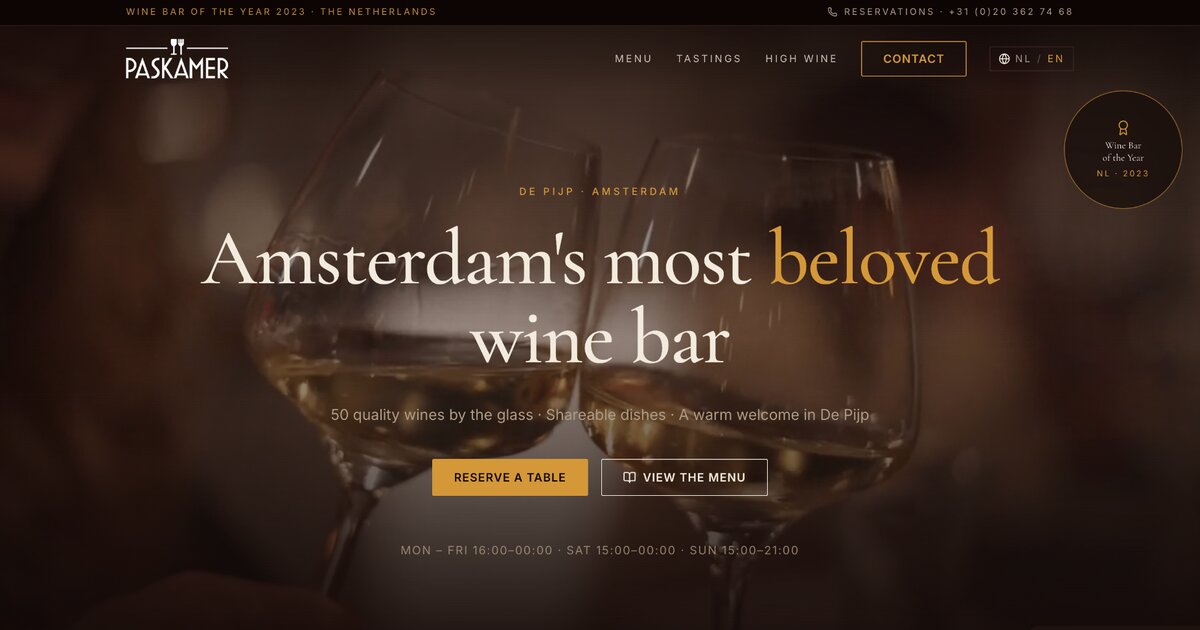
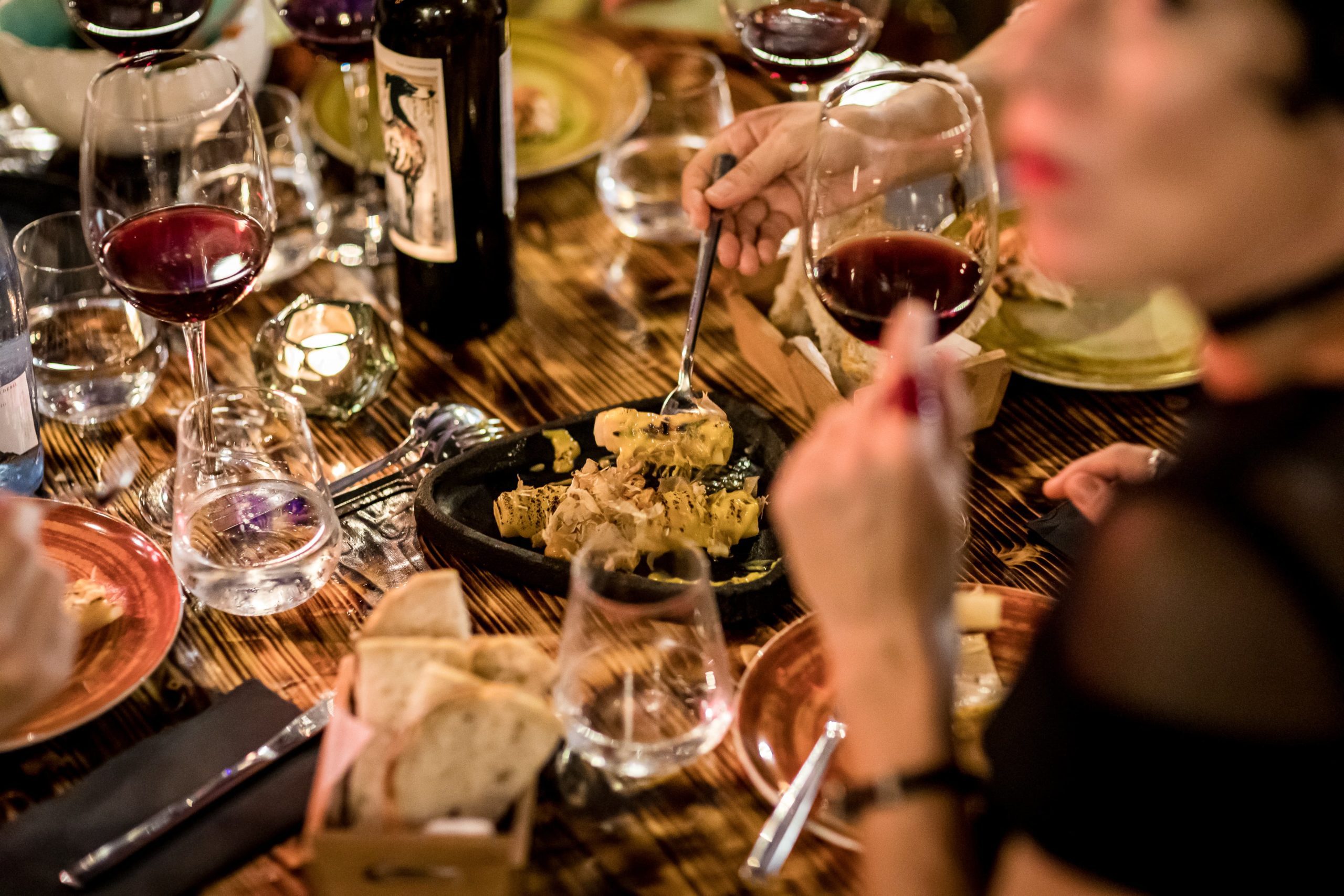
For depth rather than discovery, Paskamer was named Dutch Wine Bar of the Year in 2023 and earns it with a genuinely deep list and shareable plates, Breton oysters, crayfish bitterballen, served without attitude. It is a locals' wine room, not a scene, and the staff actually know the cellar. These three together make a near-perfect crawl: a dozen oysters and bubbles at Brut de Mer, a couple of skin-contact glasses at GlouGlou, a long sit-down finish at Paskamer.
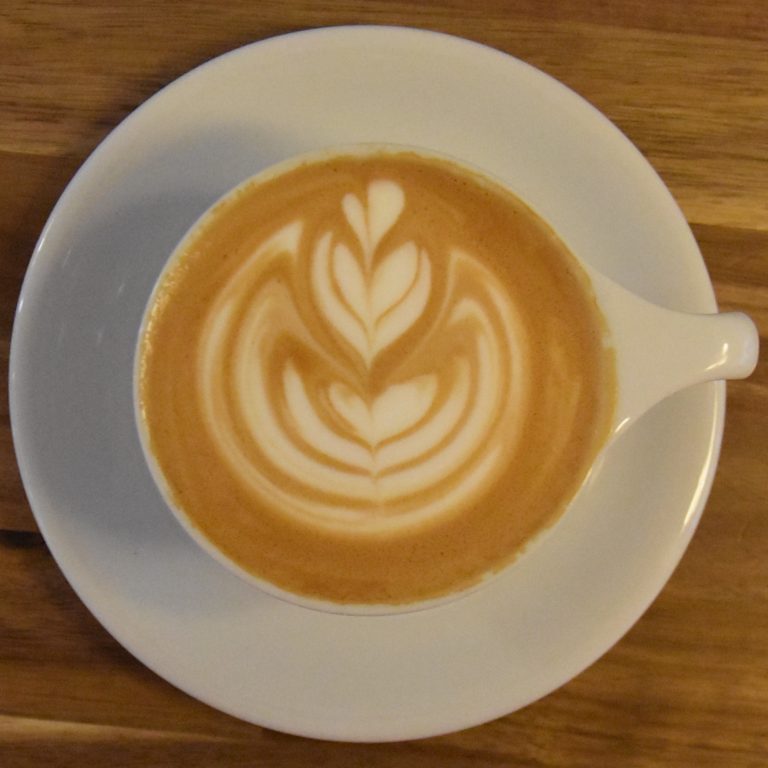
The neighbourhood rewards the rest of the day too. Scandinavian Embassy turns out some of the most precise coffee in the city alongside light Nordic plates, the kind of clean, unfussy daytime stop that fits the quarter's temperament. And when you want a kitchen rather than a counter, Samuel's runs as De Pijp's answer to a French neighbourhood brasserie, coffee in the morning, a glass of wine and something seasonal at night, open from early until late.
What makes the belt worth seeking out is the absence of spectacle. None of these places trades on a view or a gimmick; they trade on a relationship with a Zeeland oyster bed or a small-grower vineyard. For a reader used to choosing a restaurant by its mezze and its raw materials rather than its lighting, De Pijp is the part of Amsterdam that thinks the same way.
Go on a weekday, early in the evening, before the rooms fill. Sit at the counter where you can. Ask what came in today. The answer is the menu.