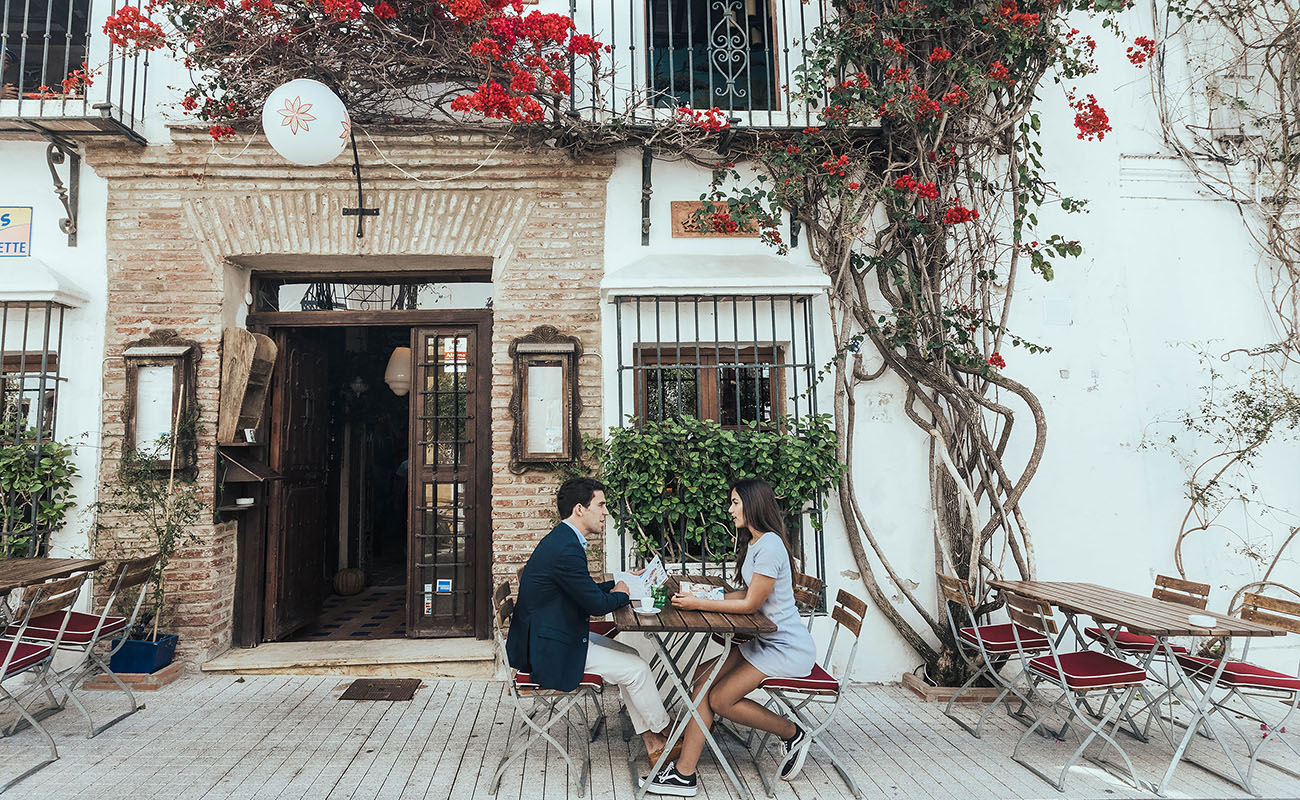
Marbella sells itself on the marina and the Lamborghinis, but the cooking that matters has quietly migrated inland — to a tangle of whitewashed lanes that most visitors drive straight past.
There is a version of Marbella that exists almost entirely for photographs: the superyachts berthed stern-to in Puerto Banús, the marble-floored boutiques, the rosé poured at noon for an audience. It is real enough, and it is not where you eat well. The first thing to understand about this stretch of coast is that its geography of money and its geography of cooking have come apart, and the gap between them is the whole game.
Start where the town started. The Casco Antiguo — the Old Town — is a few hectares of Moorish street plan that the resort never managed to flatten: lime-washed houses, orange trees, Plaza de los Naranjos at the centre like a held breath. This is where the serious kitchens have chosen to be. Skina occupies a lane barely wide enough for two people to pass, and from that improbable address runs a two-Michelin-star tasting menu that reads like a thesis on Andalusian produce. A few minutes away, Back has earned its own star with a younger, more austere kind of cooking — fermented, precise, deeply local. Neither would be possible on the marina; the rents and the clientele there reward spectacle, not restraint.
The Old Town also protects the middle register, which is where a neighbourhood actually lives. Casanis Bistrot has been doing French-Belgian comfort in candlelight for years and feels like a secret even though it isn't one. These are not concessions to tourism — they are the places locals book for their own birthdays, which is the only review that counts.
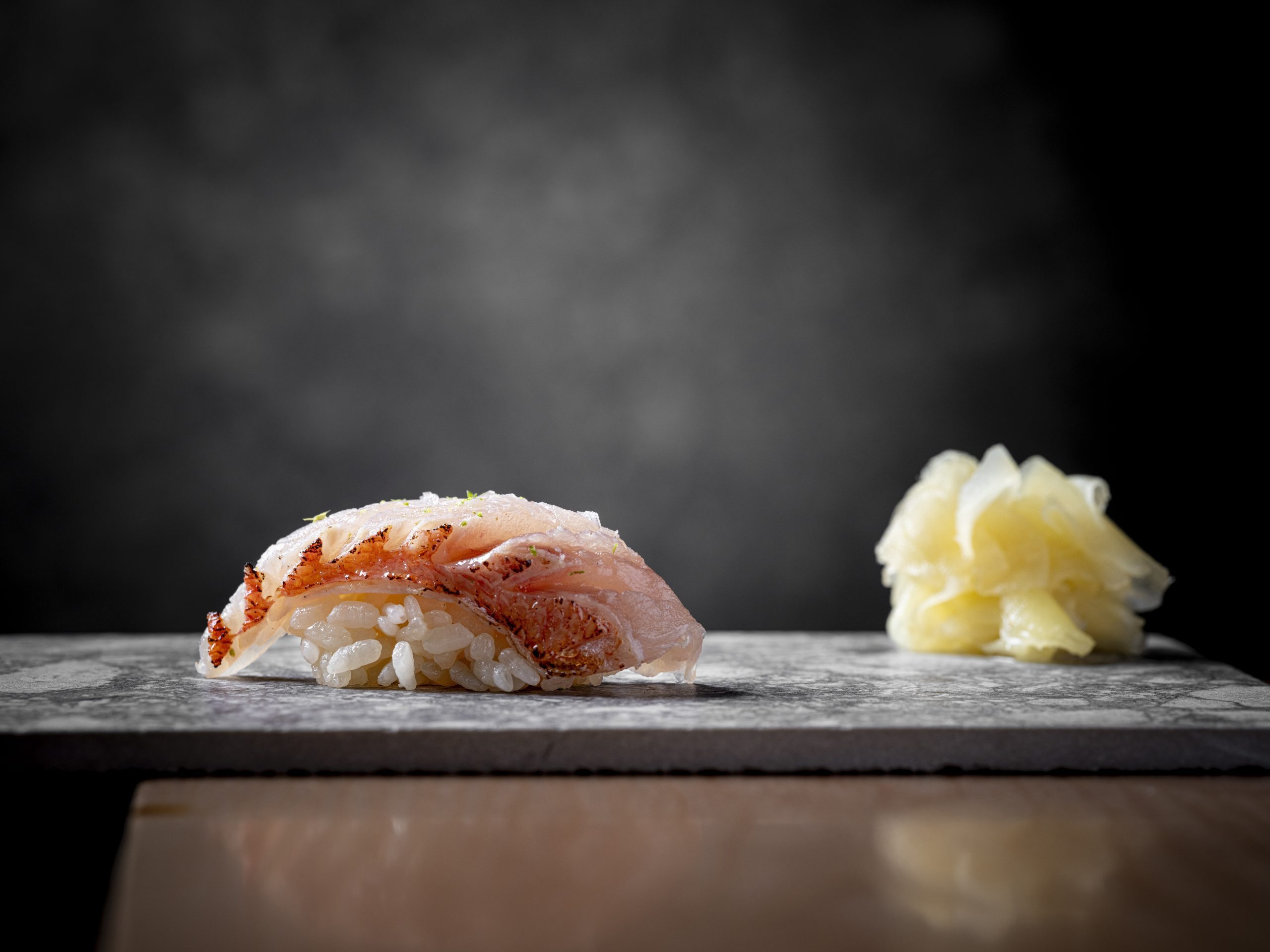
The Golden Mile is the second geography: the four-kilometre ribbon of villas and grand hotels running west toward Puerto Banús. Here the cooking is hotel-anchored and, at its best, genuinely ambitious rather than merely expensive. Messina is the proof — a contemporary Mediterranean kitchen that has quietly become one of the most accomplished tables on the entire coast, the kind of place that would draw a pilgrimage if it sat in a capital city instead of behind a residential avenue. Inside the Puente Romano resort, Nintai runs an omakase counter with the hush and discipline of Tokyo, an unlikely thing to find between palm trees.
Then there is the beach itself, which the Golden Mile does better than anywhere. La Milla puts you on the sand with proper seafood and a see-and-be-seen crowd, and unlike most beach clubs it can actually cook. The trick is that you are paying a premium for the setting and the kitchen is good enough that you don't resent it — a balance Marbella gets right more rarely than it should.
Which brings us, finally, to Puerto Banús. As a dining destination it is largely a mirage; the marina-front tables trade on the view and the people-watching, and the food is mostly an afterthought to the parade. But it is not without its uses. Astral is a genuinely good cocktail bar with a waterfront seat — the place to have one immaculate drink while the Bentleys idle past, before you point the car back toward the Old Town for dinner.
So the map is simple once you redraw it. Eat in the Casco Antiguo for the cooking that has something to say; use the Golden Mile for the hotel kitchens and the one beach lunch worth the money; treat Puerto Banús as a bar with a view, never a meal. The flash is all on the coast road. The substance is up the hill, where it has always been.