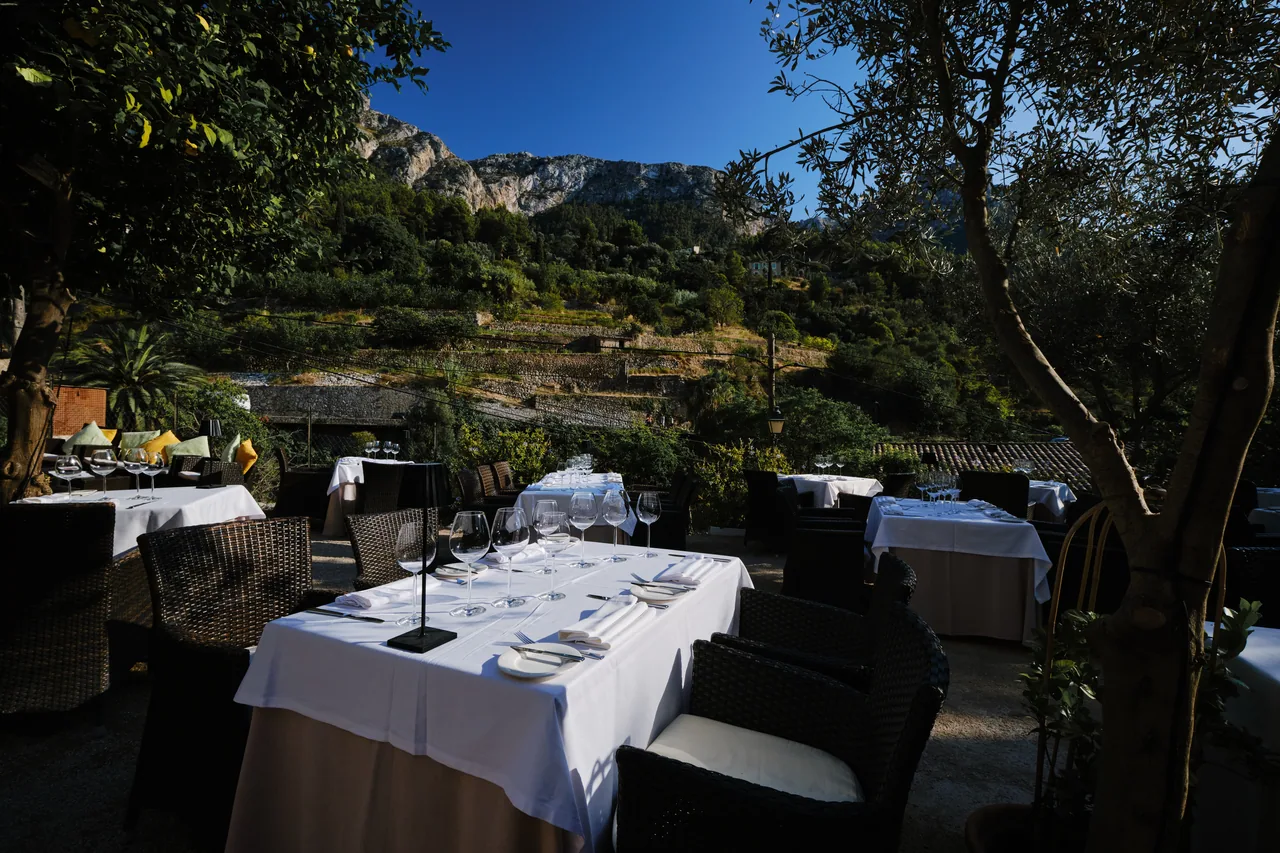
Half the kitchens on this coast lock their doors from November to Easter. Understanding the April-to-October clock — when the boats run, when the lemon comes in, when the tables close — is the difference between a good trip and a locked gate.
The first thing to understand about the Amalfi Coast is that it is, for half the year, largely shut. This is not a city that idles through winter; it is a seasonal organism that wakes around Easter, burns hot from June through September, winds down in October, and then closes its shutters. The boat-access lunches stop running. The cliffside terraces go dark. Plan as if the calendar were a reservation, because it effectively is.
The boat restaurants are the strictest hands on the clock. A place like Da Adolfo at Laurito lives entirely on its summer ferry from Positano — no boat, no lunch, and the boat runs roughly May to September. The farm-and-terrace set menus up in the hills, like La Tagliata at Montepertuso, follow the same logic from the other side: their whole proposition is produce picked that week, so they bloom in high summer and shutter when the garden does. Arrive in March and you will find a padlock and a beautiful view of nothing open.
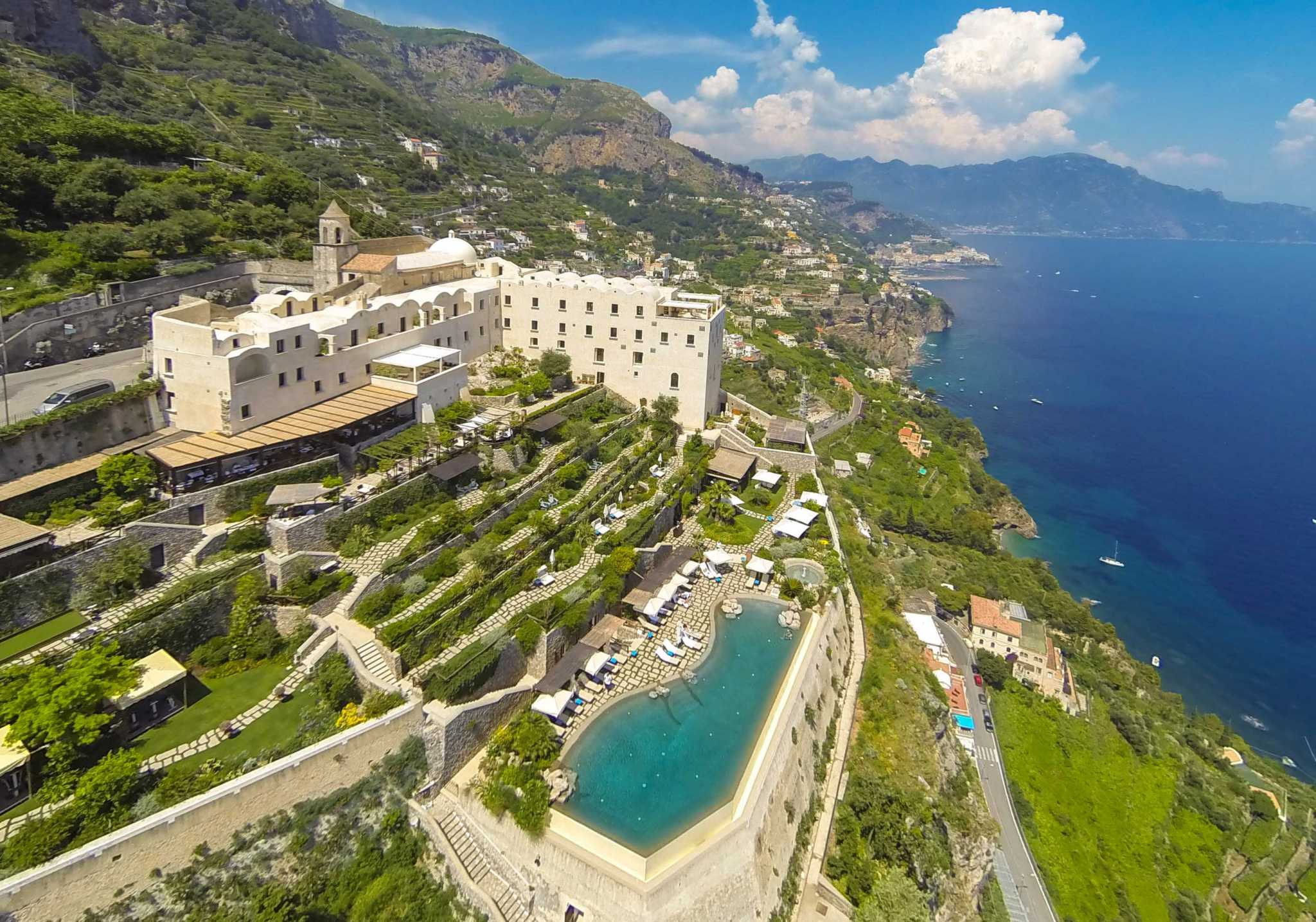
Even the polished fine-dining rooms keep the rhythm. Il Refettorio, in its converted monastery at Conca dei Marini, is a seasonal-hotel kitchen — magnificent April through October, simply not there in deep winter. The pattern repeats up and down the coast: the grander the terrace, the more likely it lives only for the warm months. The starred winter survivors are the exception, not the rule.
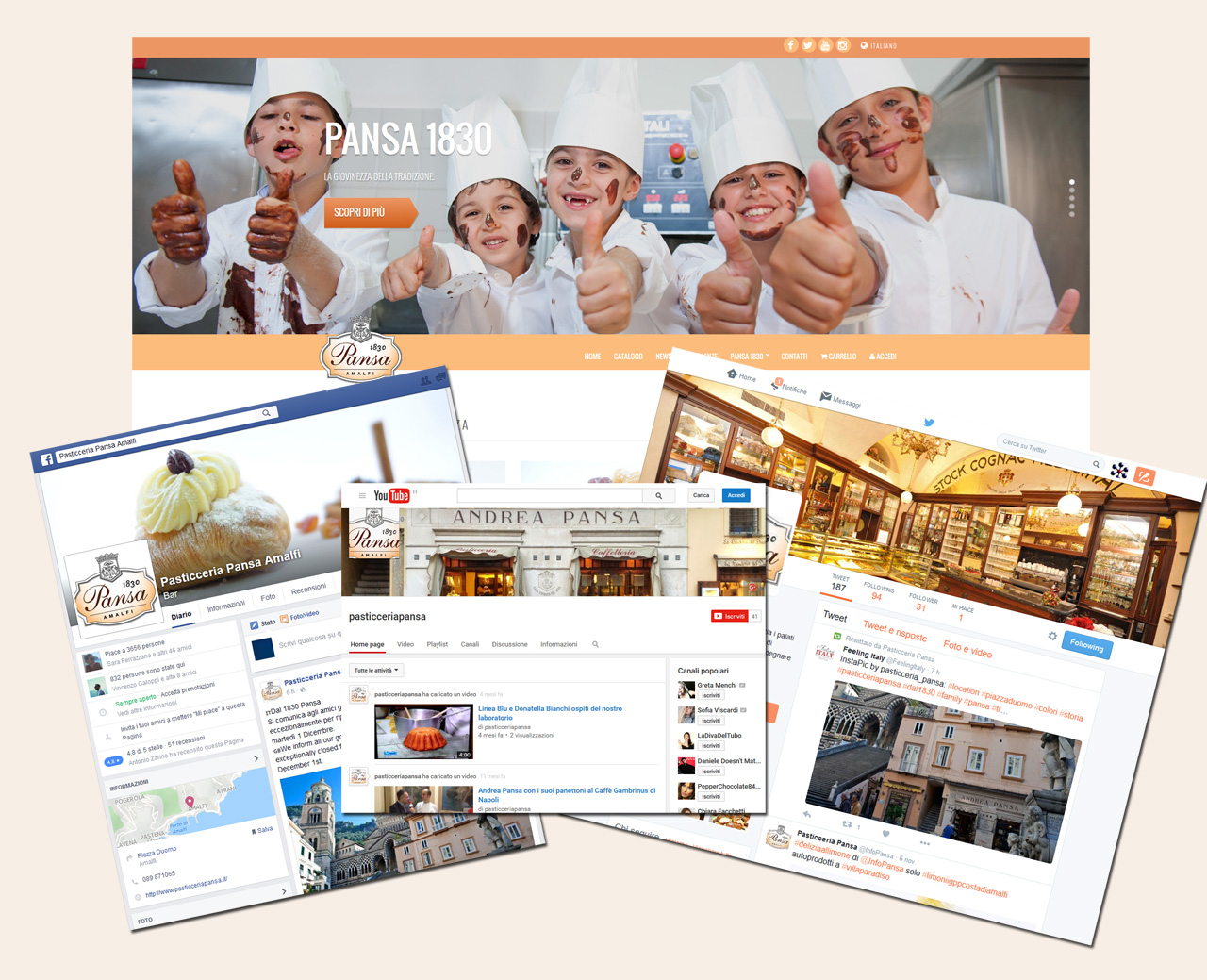
The institutions that stay open year-round are, tellingly, the pastry shops — because sugar and ritual don't take a season off. Pasticceria Pansa has anchored the cathedral square in Amalfi since 1830, and a winter espresso and a sfogliatella under its old mirrors is one of the few off-season pleasures that feels complete rather than makeshift. In Ravello, Caffè Calce is the year-round family pasticceria the town actually runs on, locals at the counter long after the tour buses have gone home.
And the sweet calendar has its own peaks. La Zagara in Positano — the name means lemon blossom — is the garden pasticceria built around the coast's defining fruit, and it is at its most magical in late spring when the citrus is flowering and the terrace tables open up. Down the coast in Minori, Sal De Riso has turned the local dolci into a destination of its own; his delizia al limone is the edible thesis statement of the entire region, and the shop is busiest exactly when the lemons are.
So read the clock before you book. Late April to June is the sweet spot — everything open, the lemon in blossom, the crowds not yet at full pitch. July and August are spectacular and packed. October is the elegiac, emptying-out month when the light is best and the last terraces are still serving. And from November the coast belongs to the locals, the pastry counters, and the patient few who understand that a place worth visiting is also a place that knows when to rest.