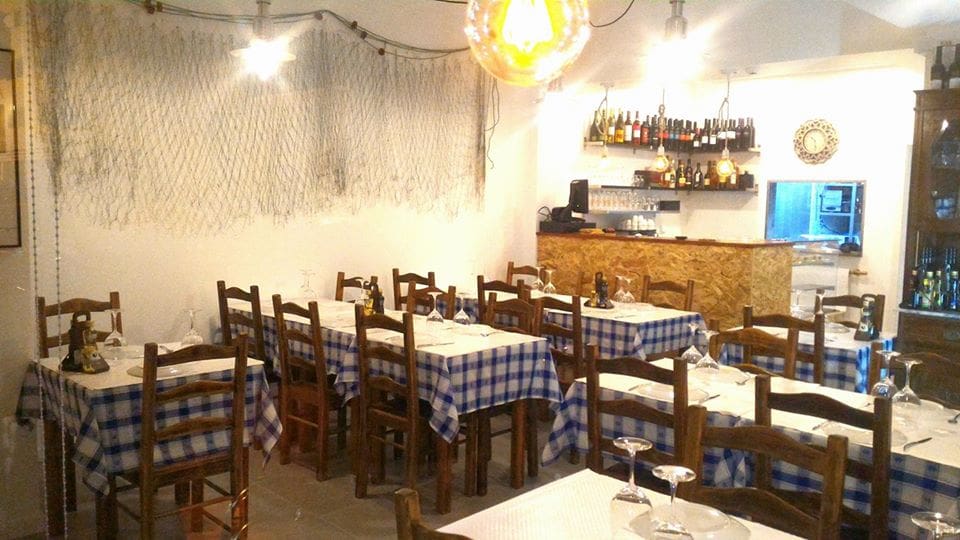
The real Lisbon meal happens in a tiled back-street room with paper tablecloths, not on a Baixa terrace with a multilingual menu. A new generation of cooks has taken the tasca apart and put it back together without losing the soul.
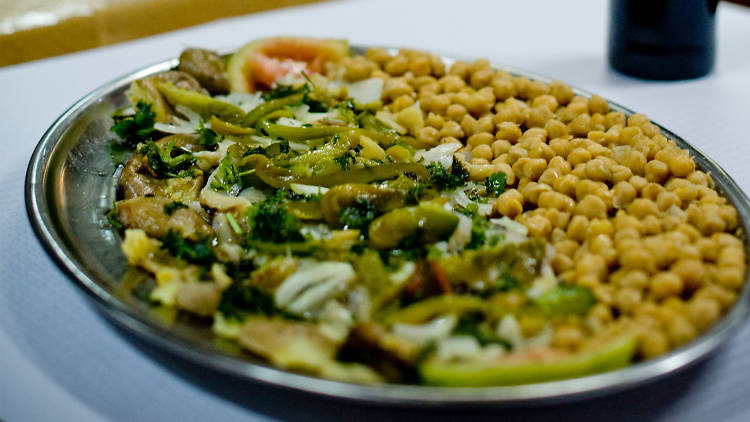
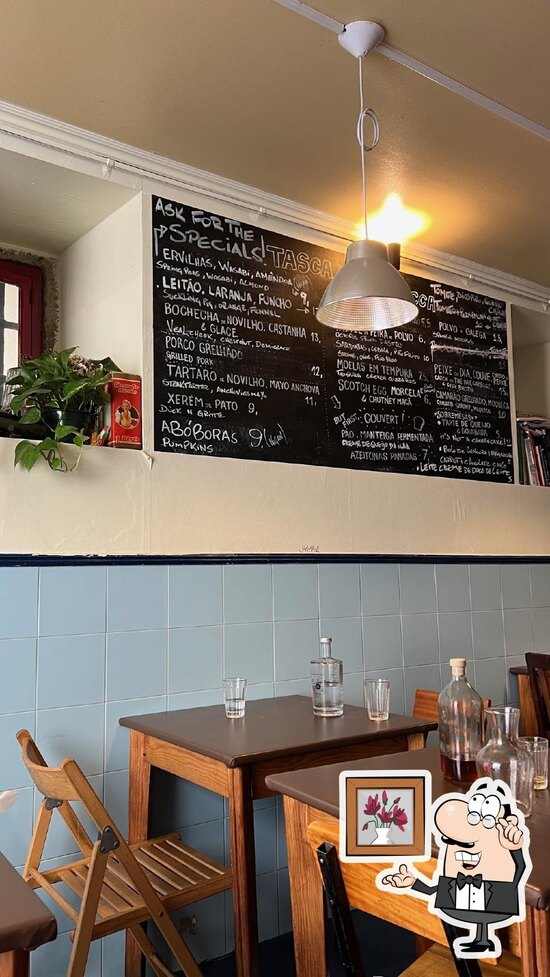
Start with the distinction that matters. A tasca is a small, family-run room, often tiled to shoulder height, with a written-by-hand prato do dia and a fridge of vinho da casa. It is not a concept; it is how working Lisbon has eaten for a century. The tourist traps of the Baixa imitate the look and miss the point entirely. To eat well here you walk uphill, into Mouraria and Graça, where the rents and the crowds both thin out.
Zé da Mouraria is the reference for bacalhau, the dish Portugal argues about most. The cod arrives in slabs the size of a paperback, the room is loud, and Lisbon's own chefs name it first when asked where they eat on a day off. A few streets over, Zé dos Cornos puts charcoal-grilled ribs on communal benches for the price of a cocktail elsewhere; you share a table and you do not linger over the bill. O Piteu da Graça, tiled and unhurried, is where the neighbourhood's older cooks go for fish done plainly and correctly.
The tasca was never only Portuguese, and Mouraria is the proof. Cantinho do Aziz has cooked Mozambican curries and tiger prawns for over three decades, a reminder that the empire's table came home long ago and stayed. This is not fusion; it is Lisbon's actual food map, the one tourists rarely get shown.
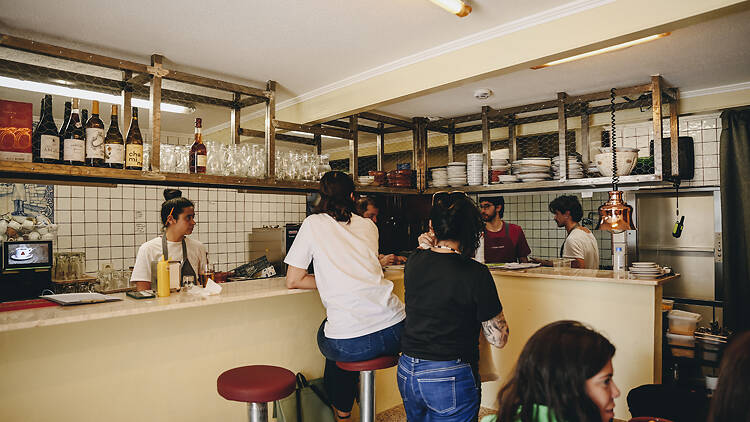
Then there is the revival proper. Zé Paulo Rocha reopened O Velho Eurico as a modern tavern that keeps the prices and the swagger of the old one while sharpening the cooking and the wine list. Taberna Sal Grosso, near the Pantheon, runs twenty-seven seats and a blackboard of inventive petiscos built for sharing over a bottle. Tasca Baldracca squeezes Brazilian-Portuguese small plates and a natural list into a single tiny room. These places read the tasca as a grammar, not a costume.
How to do it: book the neo-tascas, because the rooms are small and the city has caught on. Show up early or accept the wait at the traditional ones, which mostly do not take reservations. Order the prato do dia without overthinking it, drink the house red, and let the petiscos arrive in waves. Skip anything with a photo menu and a man outside waving you in. Choco do Bairro, in quieter Campo de Ourique, is the same idea one neighbourhood west: fried cuttlefish and honest petiscos, no performance.
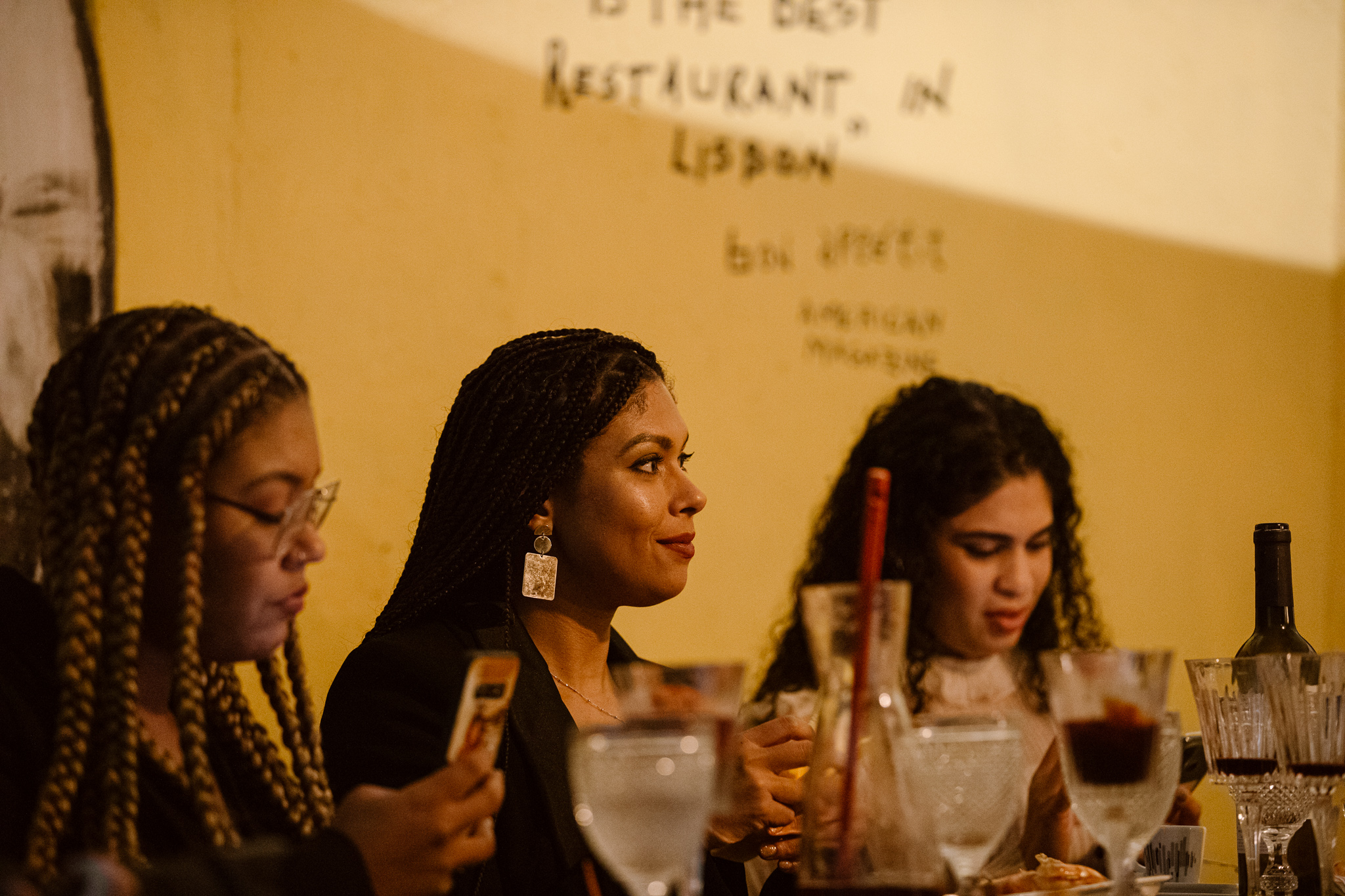
The test is simple. If the room is full of people speaking Portuguese to the staff by name, you have found it. If the menu is laminated in four languages and the terrace faces a tram stop, keep walking uphill.