Between the iron-and-glass arcades of the Modiano market and the open stalls of Kapani, Thessaloniki perfected its national religion: a glass of ouzo, a plate of small things, and an afternoon that refuses to end.
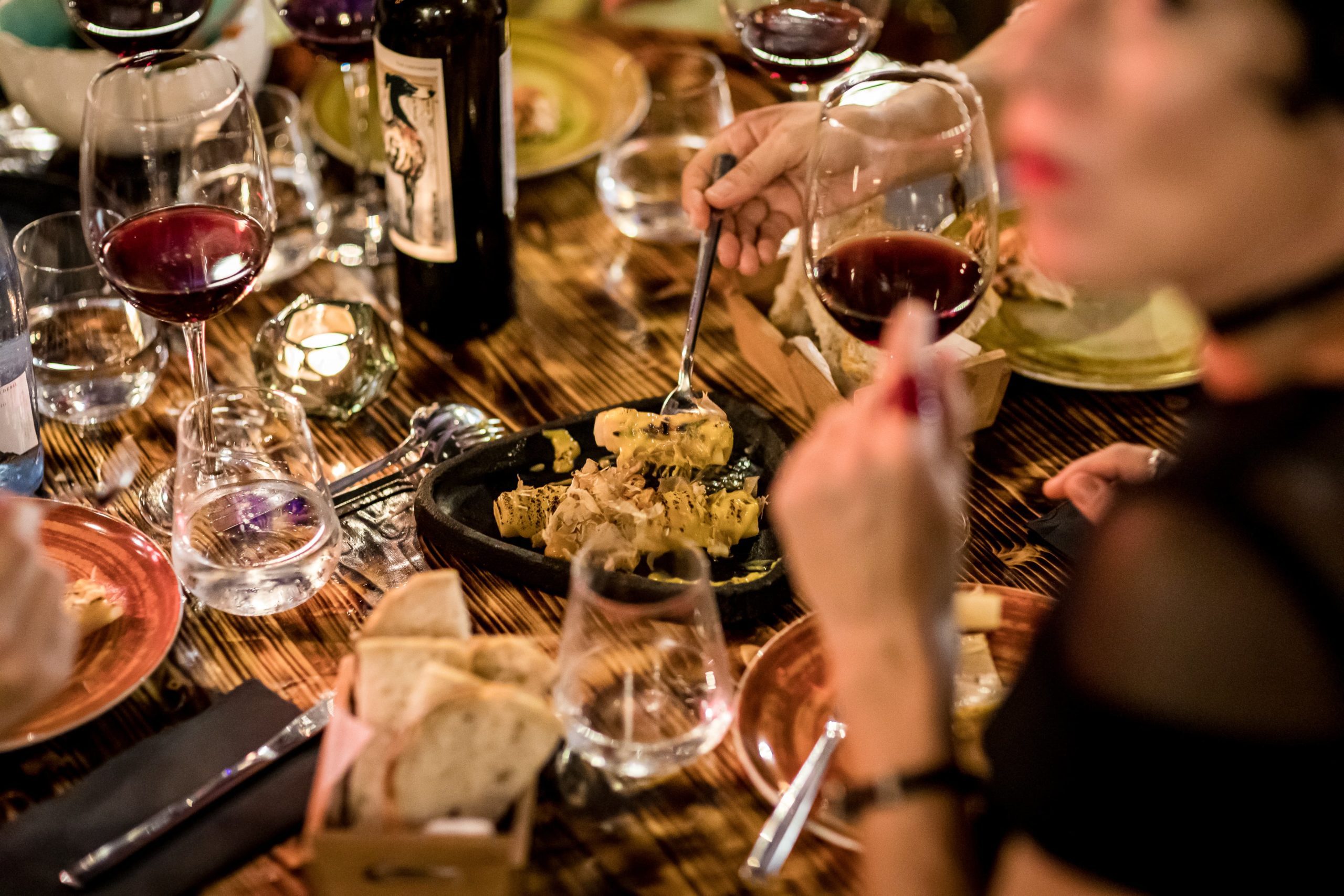
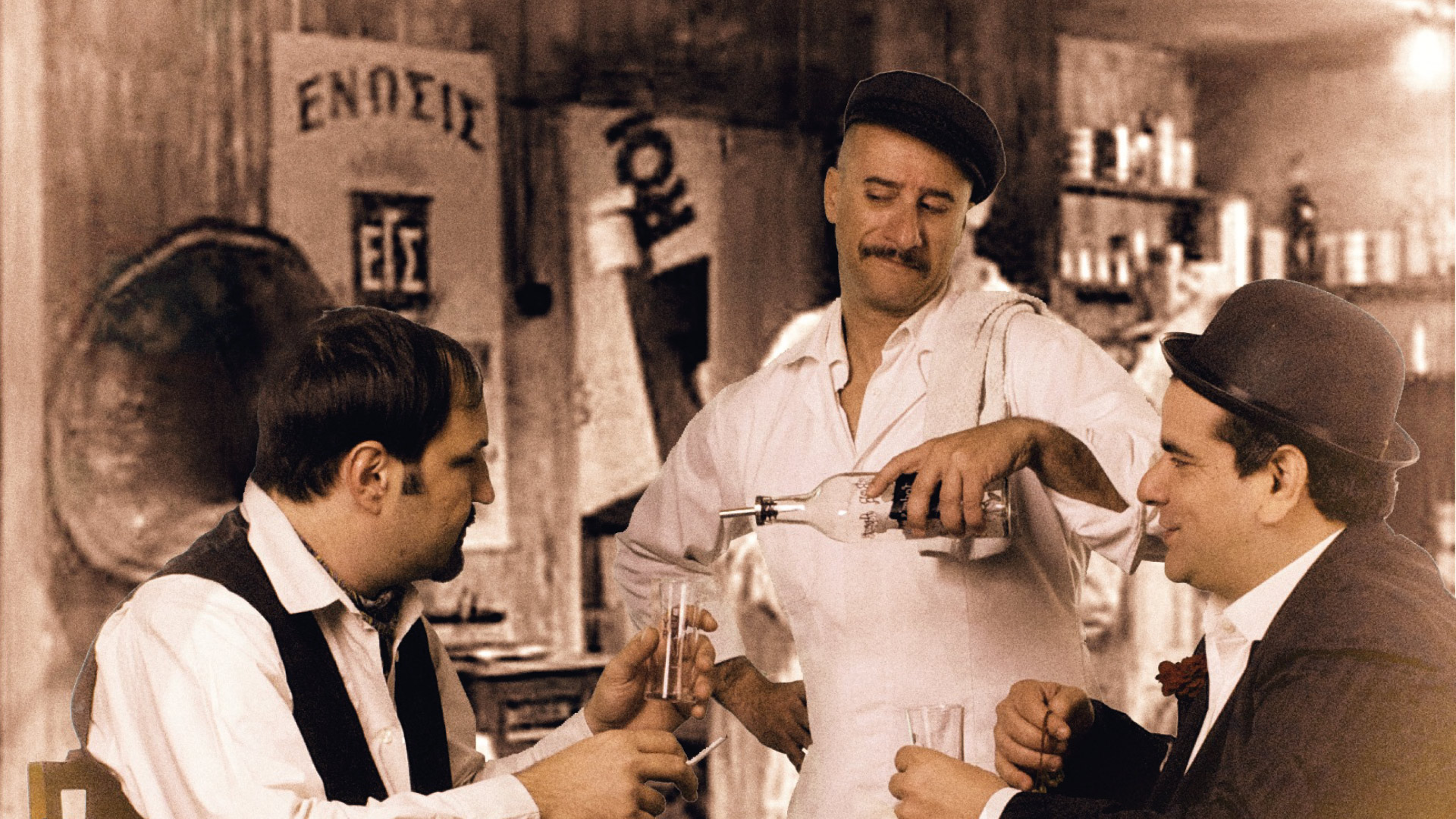
There is a particular sound to a Thessaloniki afternoon: ice cracking against the side of a glass as cloudy ouzo turns milk-white with water, forks clicking on a dozen small plates, and a table of people who have clearly been there since one o'clock and intend to stay. This is the mezedopoleio ritual, and it is the closest thing the city has to a shared liturgy. It happens everywhere, but it happens with the most conviction in and around the two great central markets.
Modiano is the grand one — a covered market in iron and glass built in the 1920s by a Jewish architect for a Jewish family, recently restored to its arched, light-filled glory and now ringed with eating. Kapani, older and rawer, is the working bazaar next door: butchers, fishmongers, spice sellers, mounds of olives, the noise and smell of a market that actually feeds the city. To eat here is to eat ten meters from where the ingredients are sold, which is the whole point.
The ritual has rules, and they are pleasurable ones. You do not order a main course; you order a procession of mezedes — grilled octopus, fried small fish, a fava purée, salted anchovies, a fried cheese — and you order more as they go. The ouzo or tsipouro arrives in small bottles, sweating, and the eating slows time rather than fueling it. Speed is the enemy. The afternoon is the medium.
Bazagiazi, set right in the Modiano-Louloudadika quarter, is the textbook version: a market ouzeri built on seafood mezedes, rustic and convivial, the kind of place where the menu is half a conversation with the waiter about what came in fresh. A few steps away in the Rogoti lanes near Ladadika, Mezen Salonica works the modern-tsipouradiko register — lively, loud, the small plates a touch more polished but the spirit untouched, exactly the room a younger crowd fills first.
For the source material rather than the table, Psaras — Fisheria collapses the distance entirely: a fishmonger's counter that turns into a table, where you are essentially eating the catch you could have bought to take home. It is the unfiltered version of the market-to-plate idea the new-wave rooms philosophize about, served without philosophy.
And the ritual scales up the hill. Ouzeri Tsinari in Ano Poli is the historic temple of the form — under its plane tree, ouzo and mezedes have been the entire business since the nineteenth century, and nothing about the formula needs improving. The thread even runs into the new generation: Super Ioulios in Athonos, a few minutes from the markets, pours natural wine instead of ouzo but keeps the same convivial small-plates logic, proving the ritual is elastic enough to survive its own modernization.
If you want to understand Thessaloniki in a single act, this is it. Not a tasting menu, not a view — a marble table near a market, a glass going cloudy, plates accumulating, and the quiet, deliberate decision to let the afternoon win.