A proper bistecca alla fiorentina is a short list of non-negotiables: the right cut, a fierce fire, and the confidence to leave it rare. Around it sits the rest of the Tuscan canon, ribollita, peposo, the cucina povera done without apology.
There is a tendency among visitors to treat bistecca alla fiorentina as a trophy, the biggest slab, the most theatrical char, the steak as Instagram set piece. Florentines treat it as a discipline. The cut is the porterhouse, taken thick, from animals raised for the purpose. It is grilled over hardwood embers, seared hard on both sides, stood on the bone, and served rare. Asking for it well done is not a preference here; it is a misunderstanding.
The temple of the form is Trattoria Sostanza, near Santa Maria Novella, a narrow room of communal tables that has barely changed in over a century. The bistecca is exacting, but the place is equally famous for its butter chicken, petto di pollo al burro, a dish of almost shocking simplicity that proves Tuscan cooking is about restraint, not abundance.
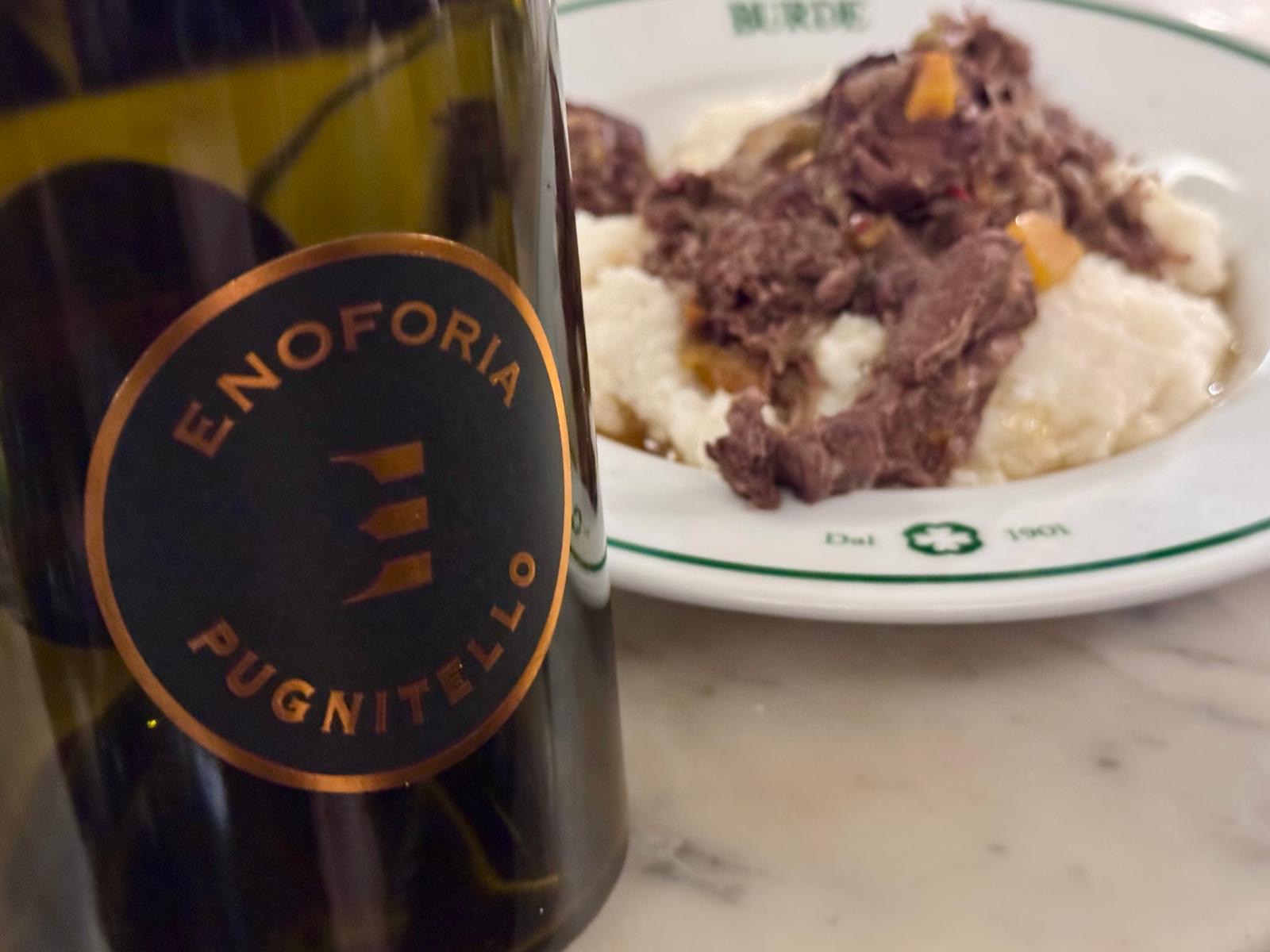
For the unfiltered version, the lunch-only Trattoria Mario by the Mercato Centrale has been feeding market workers and a few clued-in visitors since 1953: paper tablecloths, a chalkboard, bistecca on the days it appears, and ribollita the rest of the time. Da Burde, out past the centre toward Le Cure, is where Florentine families drive on a Saturday, a Slow Food stalwart that takes the canon seriously and pours Chianti to match.
The supporting cast matters as much as the steak. Ribollita, the twice-cooked bread-and-bean soup, is the truest test of a Tuscan kitchen, because there is nowhere to hide in something so plain. Peposo, the peppery beef stew said to have fuelled Brunelleschi's dome-builders, and trippa alla fiorentina belong to the same logic: cheap cuts, long time, no waste. Sabatino in San Frediano serves this register at neighbourhood prices, with the unfussed authority of a kitchen that has nothing to prove.
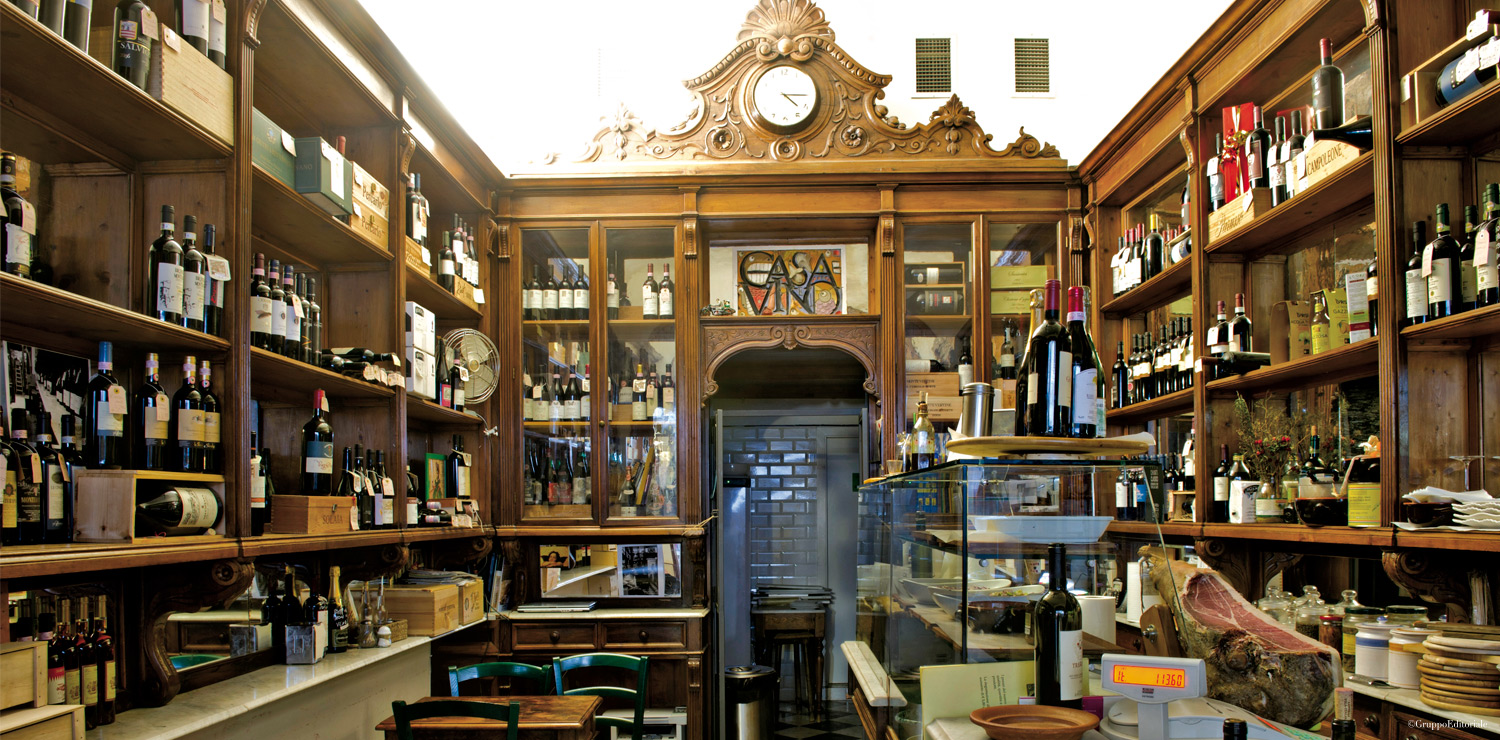
Pair it the way the city does. A bottle from Casa del Vino or a glass at one of the old vinai is closer to the spirit of the thing than any sommelier's flourish. The Tuscan canon was built by people who had little and wasted nothing, eat it in that frame of mind and Florence opens up.