Twenty minutes behind the coast, the granite turns to cork oak and the menu turns to suckling pig. This is the Sardinia that was here long before the marinas — and will be here long after.
There are two Galluras, and the second one saves the first. The coastal Gallura is the one you have seen — emerald water, granite headlands, the whole Smeralda fantasy. The interior Gallura is the one that makes the coast make sense: a high country of cork-oak woods, granite boulders the size of houses, and the scattered stone farmsteads the locals call stazzi. The food up here is not a tasting menu. It is a fire, a long table, and a pig.
The dish that organises everything is porceddu — suckling pig turned slowly over myrtle and juniper embers until the skin lacquers and cracks. To understand it properly, drive into Arzachena, the unglamorous market town that is the real capital of this hinterland, and sit down at Antica Gallura. It is traditional, rustic, family-run Gallurese cooking with nothing to prove, and the porceddu here is the argument for why people leave the beach at all.
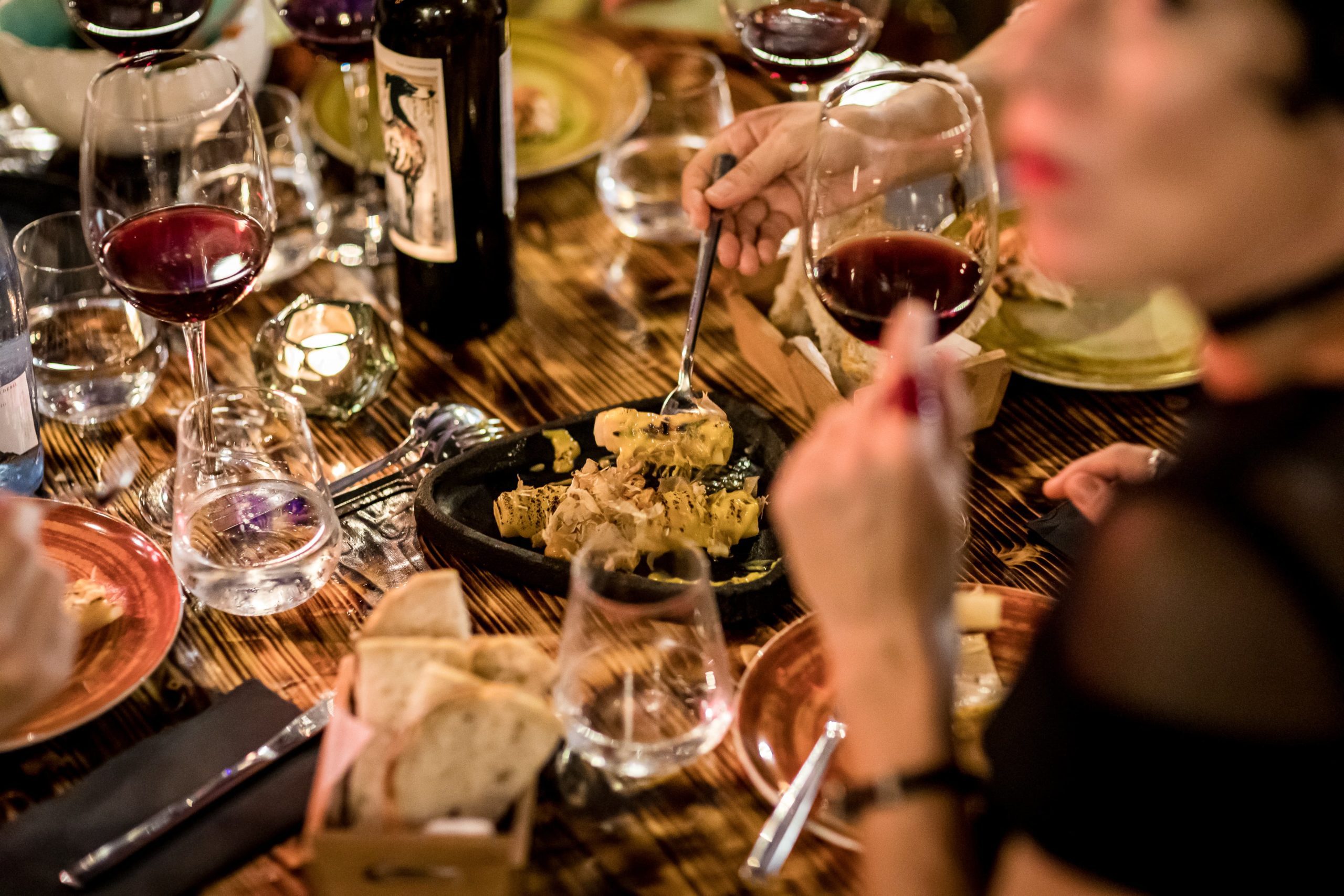
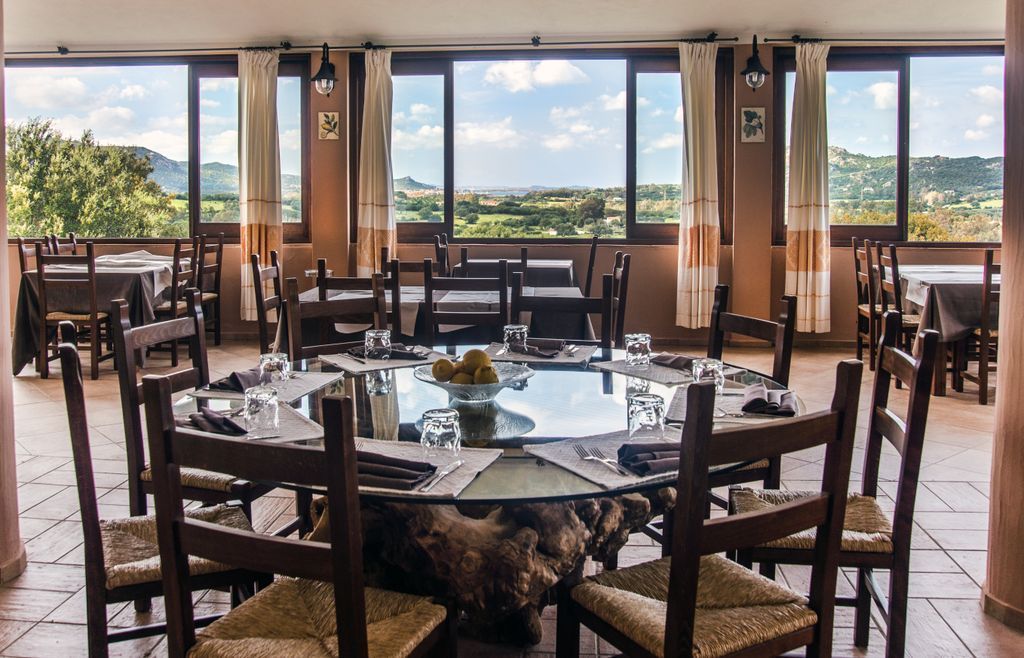
A short way out of town, Lu Stazzu does the same tradition from the source. The name itself is the local word for the farmstead, and the place reads exactly that way — a Gallurese grill where the rusticity is the point, not a decorative theme. This is where you order the suckling pig, the hand-pinched pasta, the sheep's-milk cheese, and a jug of something dark and local, and you stop checking your phone.
If you want the tradition reinterpreted rather than preserved, Fumu in San Pantaleo is the hinge between the two Galluras. It sits in the granite-village belt just inland from the coast and cooks over open fire with a chef's deliberateness — a design-led, modern reading of exactly the meat-and-smoke culture that Antica Gallura and Lu Stazzu keep in its older form. Eat at all three in a week and you have the whole arc, from farmhouse to studio.
The agriturismo itself is the institution worth understanding, and the clearest version sits over near Alghero rather than in Gallura proper: Sa Mandra, a working farm that feeds you what it raises and grows. The meal is long, set, and generous — antipasti that keep arriving, roast meats, the farm's own cheese and wine — and it is the truest expression of the Sardinian table as an act of hospitality rather than service. It is worth the cross-country drive precisely because it cannot be faked.
The same logic runs south to the Campidano plain, where Su Furriadroxu in Pula cooks inside a casa campidanese — the old courtyard farmhouse of the south. The Campidanese tradition is its own dialect of the Sardinian table, drier and more cereal-driven than Gallura's, and eating it in the architecture that produced it is the whole point. Sardinia rewards this kind of geographic precision more than almost anywhere I can think of.
So if you only ever eat on the coast, you have eaten in Sardinia's lobby. The interior — Arzachena, the stazzi, the agriturismi — is the house itself. Go behind the marina, find a long table, and let someone's grandmother decide how many courses you are having. You will not win that negotiation, and you should not want to.