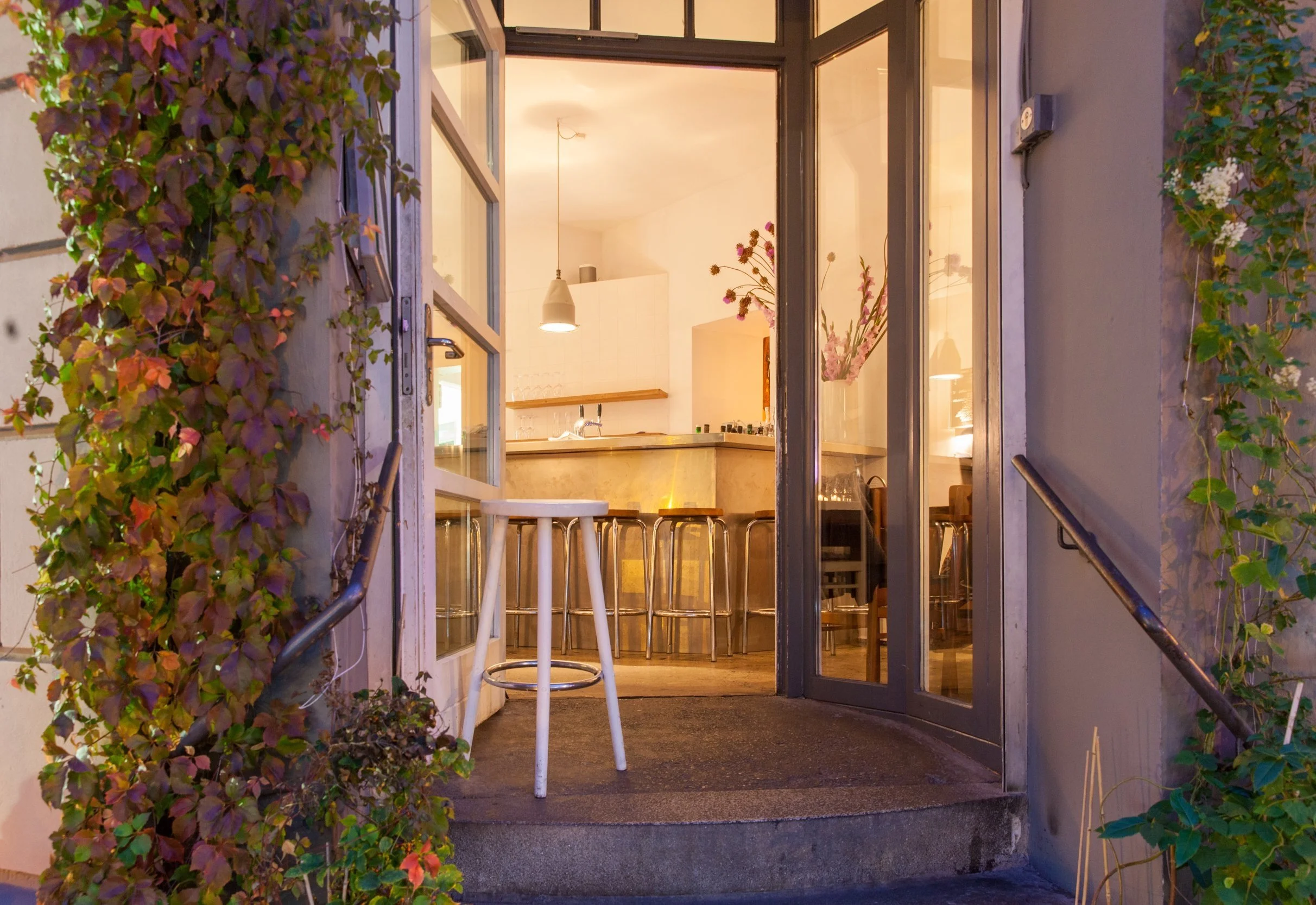
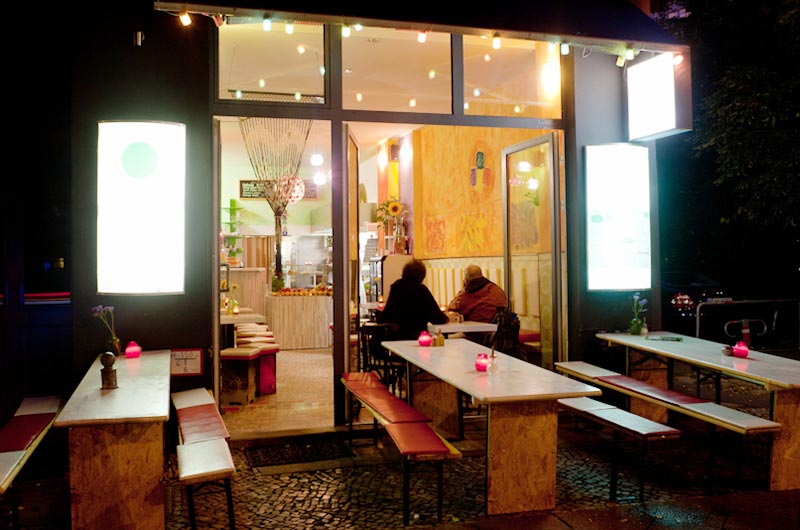
Nobelhart & Schmutzig
Kreuzberg
One Michelin star, one Green Star — Berlin's most radical sourcing programme.
Da alta gastronomia com estrelas Michelin à autêntica cozinha local, descubra os restaurantes mais distintos de Berlin. Selecionados, testados e aprovados pelos nossos editores especializados.
As experiências gastronómicas mais prestigiadas de Berlin
Kreuzberg
One Michelin star, one Green Star — Berlin's most radical sourcing programme.
Neukölln
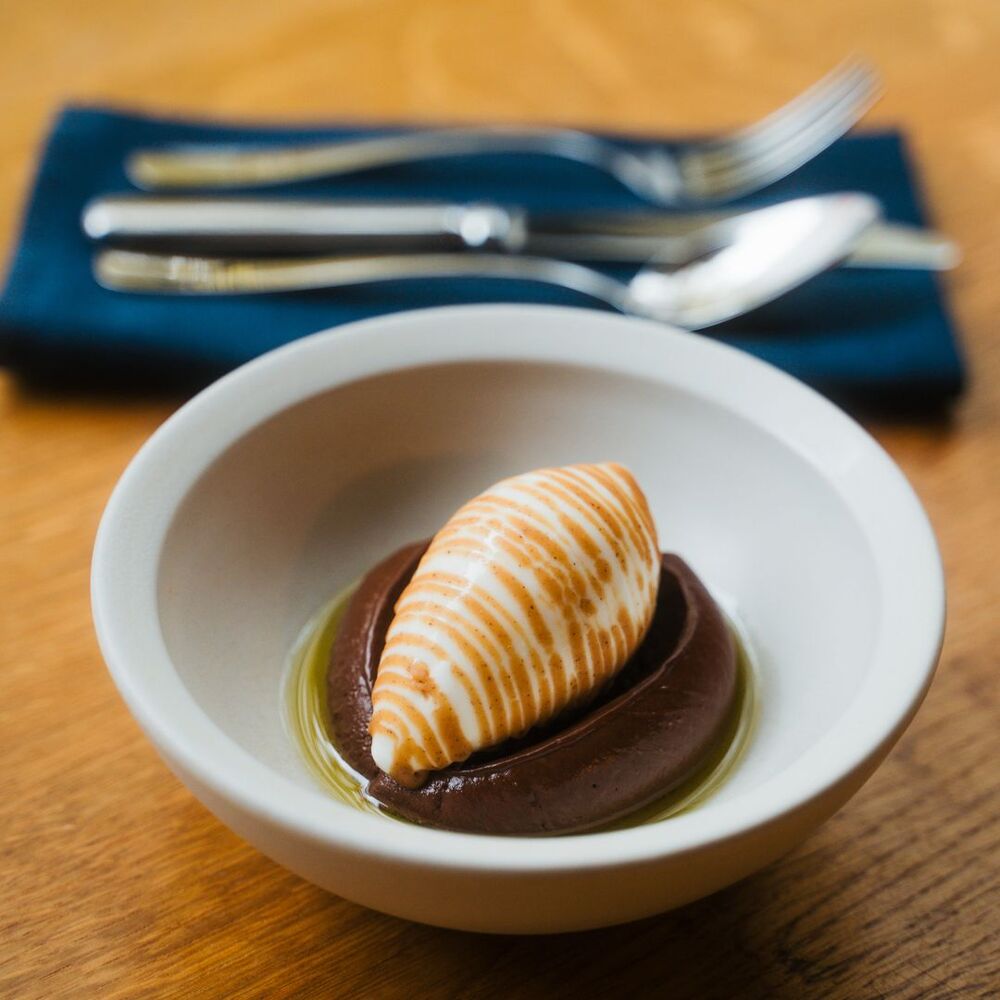
One Michelin star — Berlin's only dessert-tasting menu, on Friedelstraße.
Mitte
One Michelin star, twenty seats, four-course menu — Andreas Saul on Torstraße.
Mitte
One Michelin star — Berlin's most architecturally hidden vegetarian fine-dining room.
Wilmersdorf
One Michelin star — small-plate French-modern in Friedenau.
Wilmersdorf
One Michelin star inside the Grunewald tennis club — Sonja Frühsammer's room.
Friedrichshain
One Michelin star on the twelfth floor of the Vienna House Andel's Berlin — panoramic dining.
Neukölln
One Michelin star — Sarah Hallmann's modern-European tasting room in Neukölln.
Neukölln
One Michelin star + Bib Gourmand graduate — modern-German Speisekneipe in Neukölln.
Mitte
Berlin's only three-Michelin-star room — Marco Müller on Chausseestraße.
Kreuzberg
Two Michelin stars and Asian-modern technique behind Checkpoint Charlie.
Tiergarten
Two Michelin stars on the fifth floor of the Mandala Hotel — glass-pavilion dining.
Tiergarten
Two Michelin stars on the first floor of the Adlon Kempinski, overlooking the Brandenburg Gate.
Kreuzberg
Two Michelin stars and Austrian-modern technique on the Landwehrkanal.
Mitte
Two Michelin stars + Green Star — Dylan Watson-Brawn's twelve-seat counter in Wedding.
Comida deliciosa em ambientes descontraídos
Mitte
Berlin's classic political power-lunch — Wiener Schnitzel since 1893.
Kreuzberg
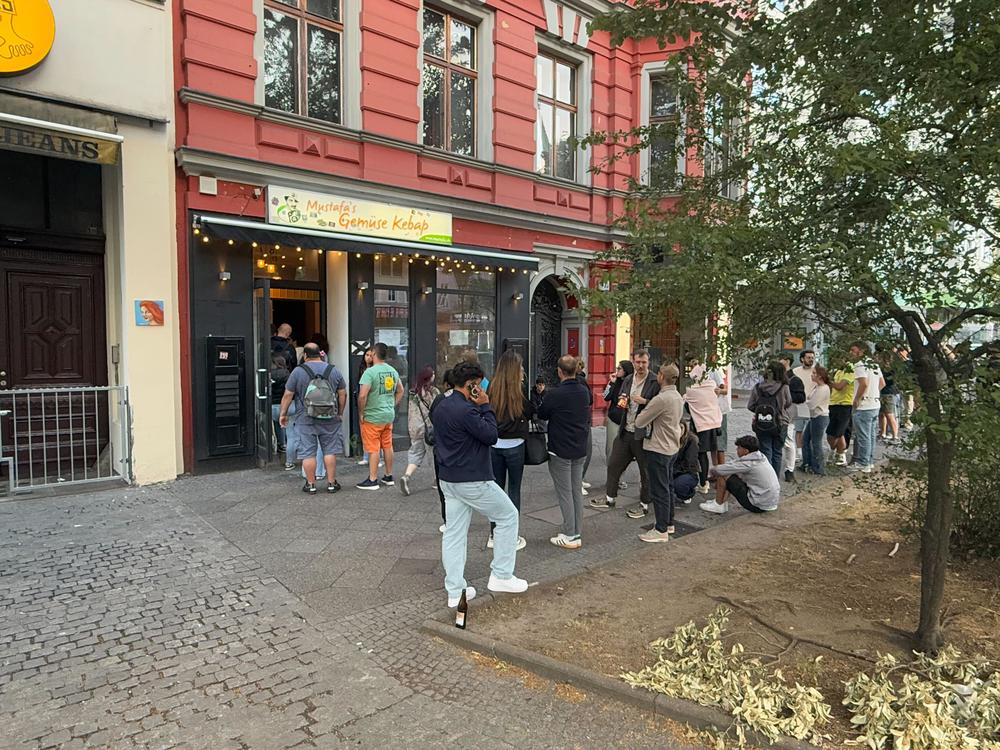
The Mehringdamm vegetable-kebab queue that any İstanbullu visitor asks about.
Kreuzberg
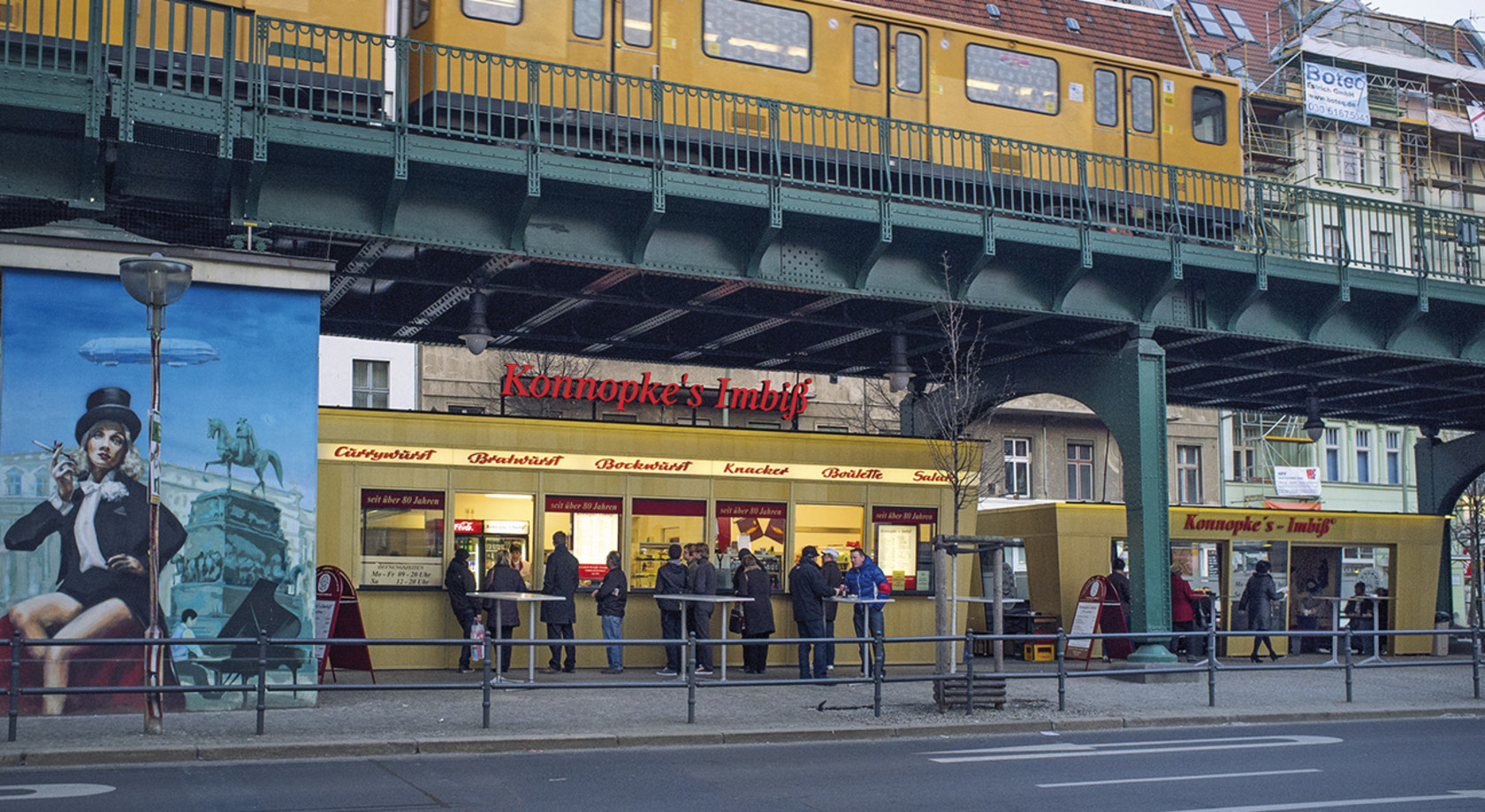
Berlin's most-photographed Currywurst stand — Mehringdamm, 1981.
Kreuzberg
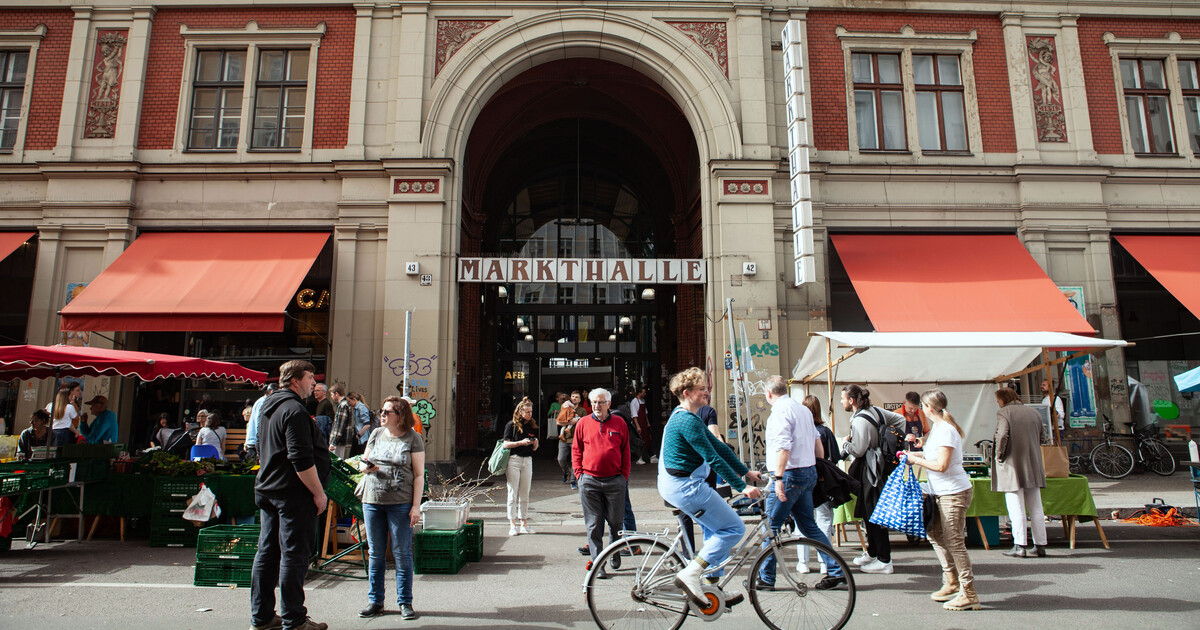
Kreuzberg's 1891 covered market — Thursday Street Food evenings, weekly produce.
Schöneberg
Berlin's Vienna-style Kaffeehaus on Kurfürstenstraße — 1978, in a 1907 villa.
Charlottenburg
Continental Europe's largest department-store food hall — sixth floor of the Kaufhaus des Westens.
Charlottenburg
Charlottenburg's 1979 brasserie — the West-Berlin art-world canteen.
Mitte
Berlin's media-and-art steakhouse on the Spree — see-and-be-seen 2026.
Mitte
Mitte's slow-food courtyard restaurant — the Candy Bomber pork at 12 hours.
Kreuzberg
Dutch-chef-led modern-European on Lausitzer Straße — fixed five-course menu.
Kreuzberg
Kreuzberg's Chinese-modern small-plate room — Wrangelstraße, 2010.
Tiergarten
Thai-modern under Tim Raue's wider stable — Lützowstraße, Tiergarten.
Mitte
Mitte's modern-German bistro on Linienstraße — regional, weekly menu.
Neukölln
Neukölln modern-bistro on Okerstraße — fixed menu, natural wine, no reservations after 21:30.
Mitte
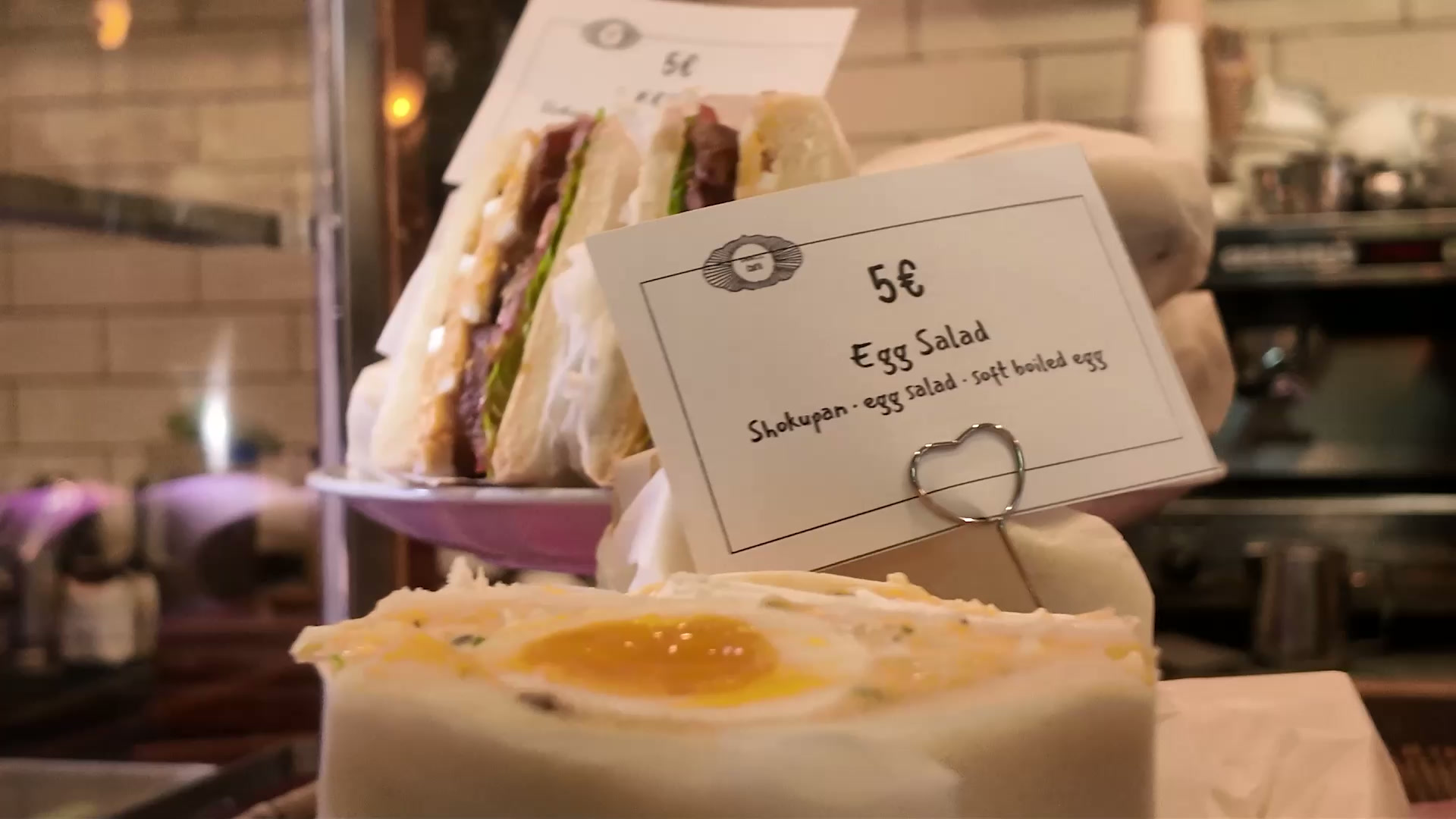
Mitte's Japanese-cafe brunch on Johannisstraße — the Berlin original of the Brooklyn import.
Prenzlauer Berg
East Berlin's original Currywurst stand — under the Schönhauser Allee S-Bahn since 1930.
Kreuzberg
Kreuzberg's Anatolian ocakbaşı on Admiralstraße — the audience reference döner-and-kebap address.
Kreuzberg
Kreuzberg's 1971 döner originator — the Mehmet Aygün family stand.
Mitte
Mitte's Syrian-fine-dining room on Torstraße — meze, lamb, the post-2015 Syrian-Berlin wave.
Charlottenburg
Charlottenburg's literary-bar canteen on Savignyplatz — open since 1965.
Mitte
Gendarmenmarkt's 1811 Sekt-and-Wiener-Schnitzel institution — Charlottenstraße.
Mitte
Berlin's oldest continuously running pub — Waisenstraße 14-16, 1621.
Prenzlauer Berg
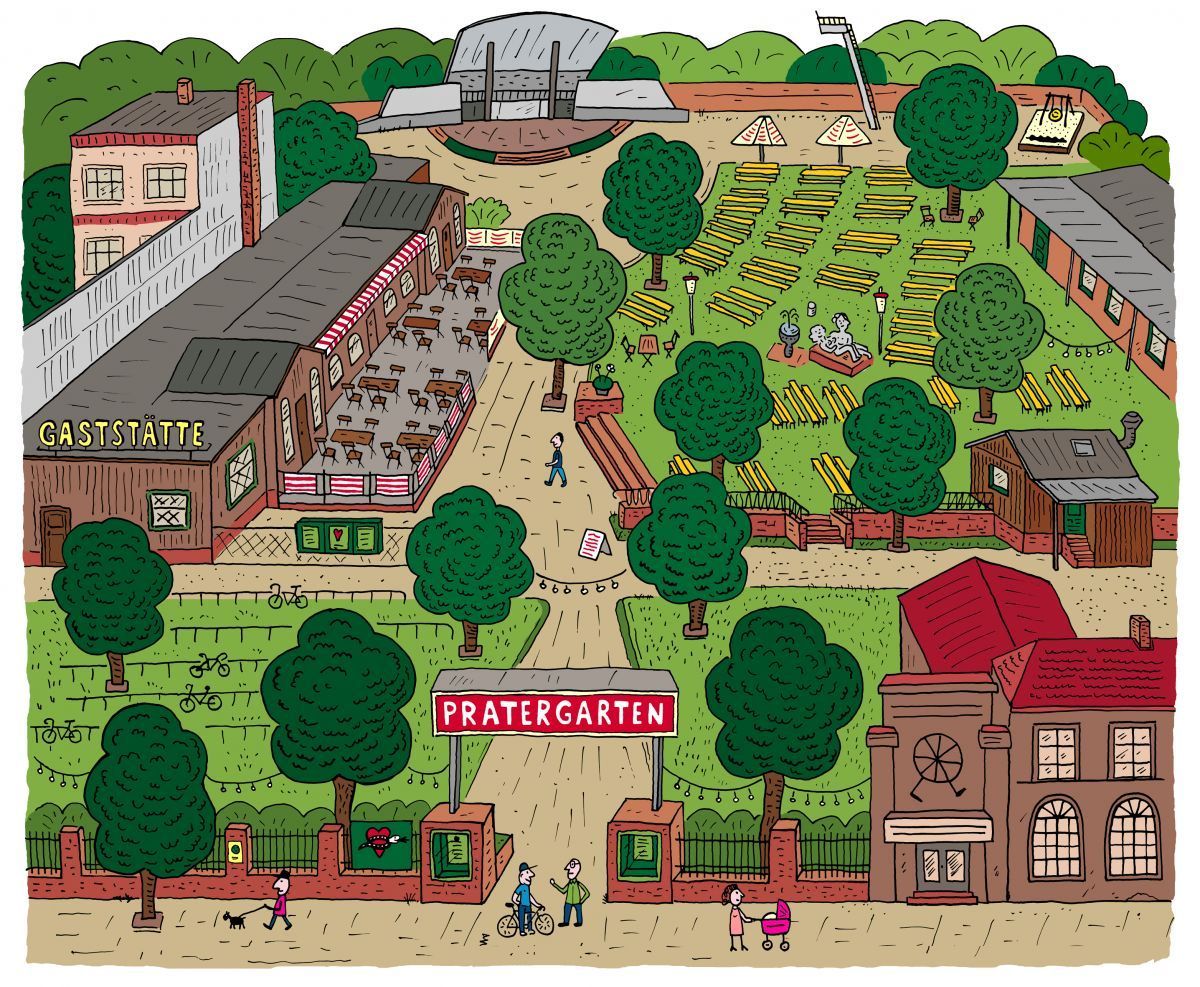
Berlin's oldest beer garden — Kastanienallee, Prenzlauer Berg, 1837.
Berlin runs as the least-Michelin-dense major capital in central Europe relative to its size, and the city is at peace with the verdict. Where Paris and London press a stack of three-star rooms into the same square mile, Berlin distributes its serious kitchens across postcodes: Marco Müller's three-star Rutz in northern Mitte, Tim Raue's two-star Asian-modern behind Checkpoint Charlie in Kreuzberg, FACIL on the fifth floor of the Mandala in Tiergarten, Lorenz Adlon Esszimmer above Pariser Platz, Horváth on the Landwehrkanal. The booking decision matters more here than in cities that default to redundancy at the top tier.
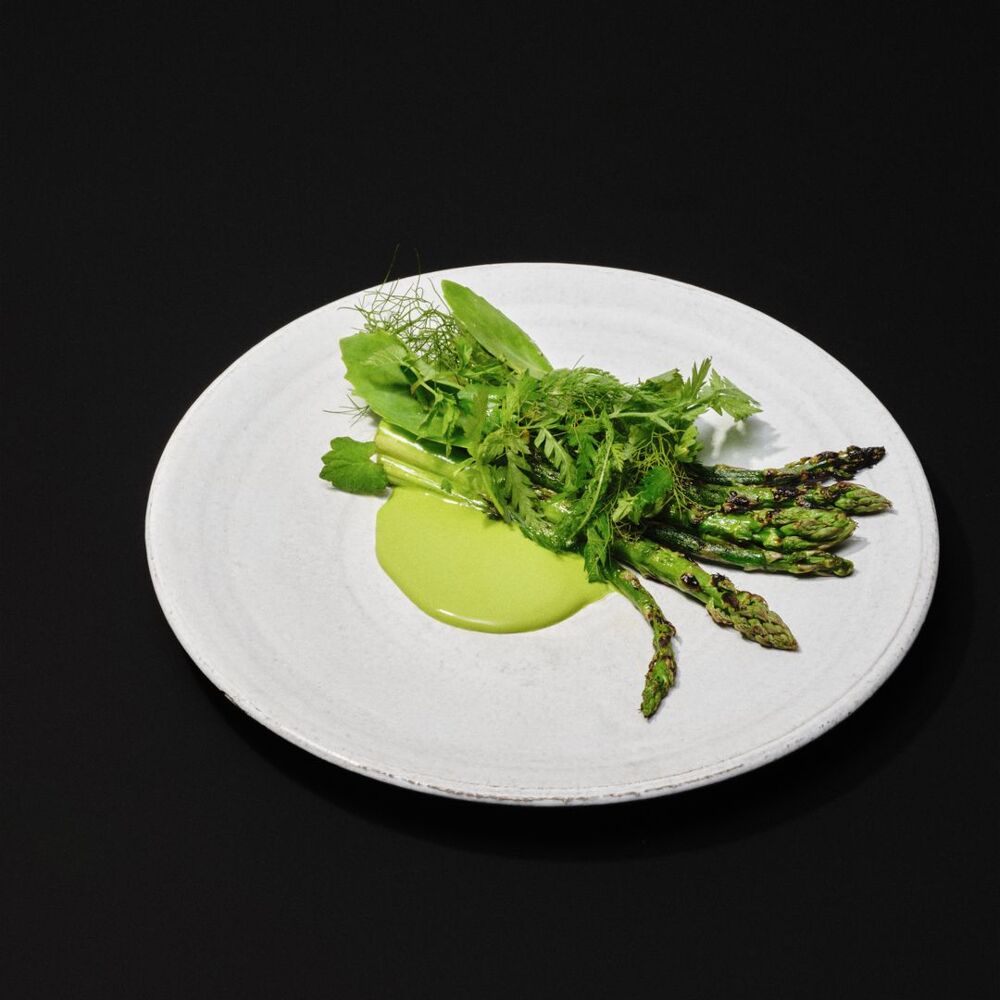
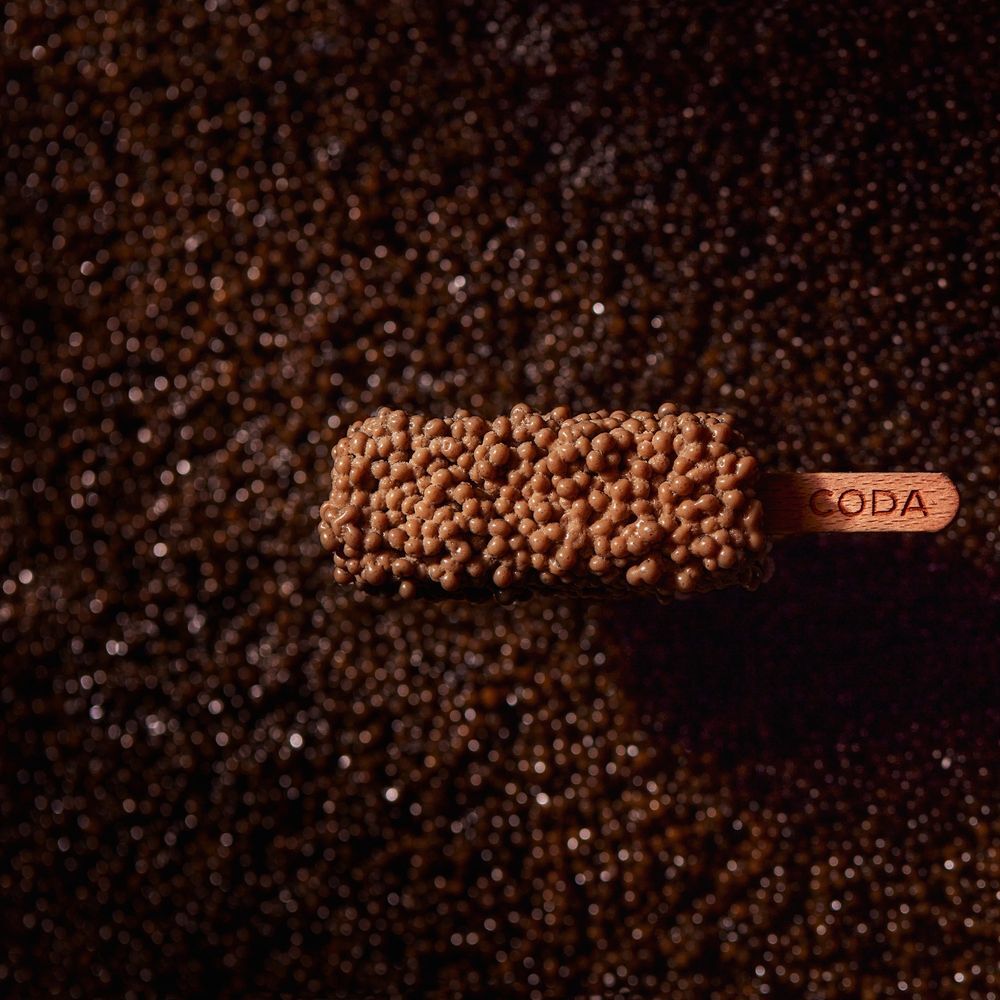
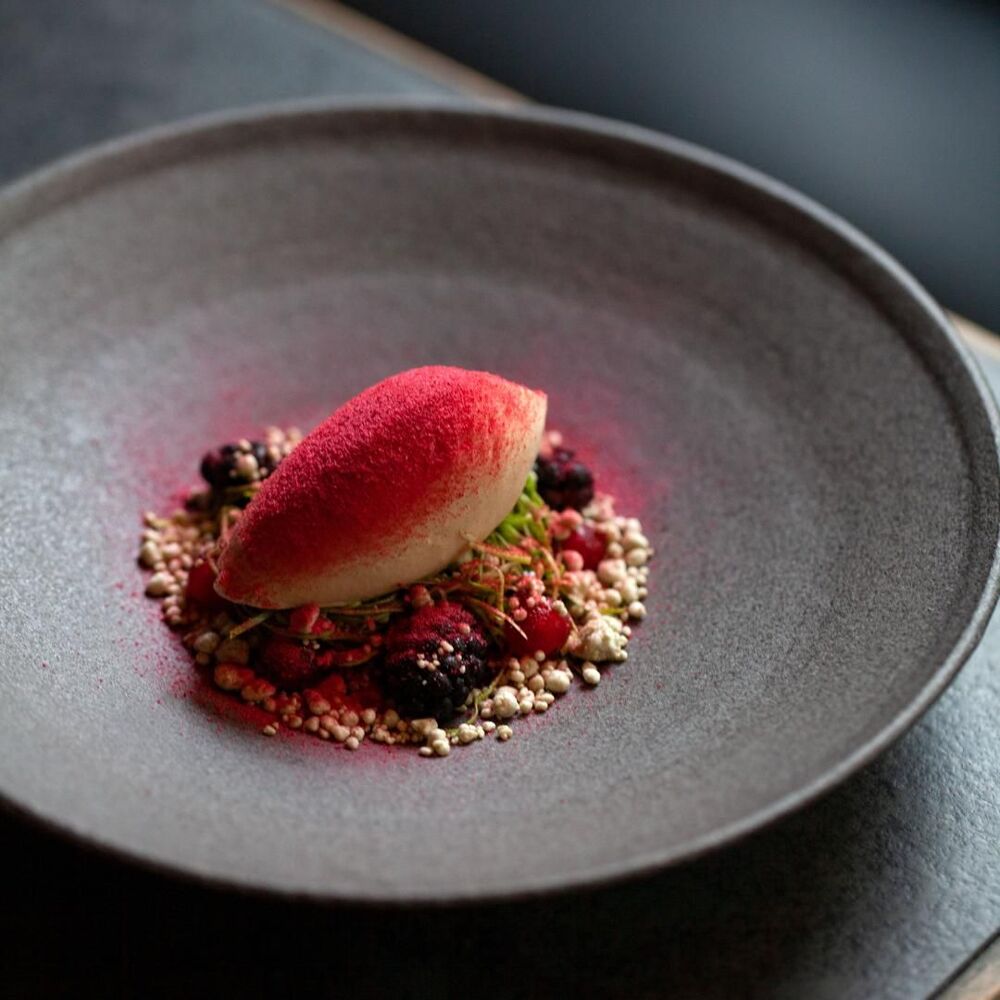
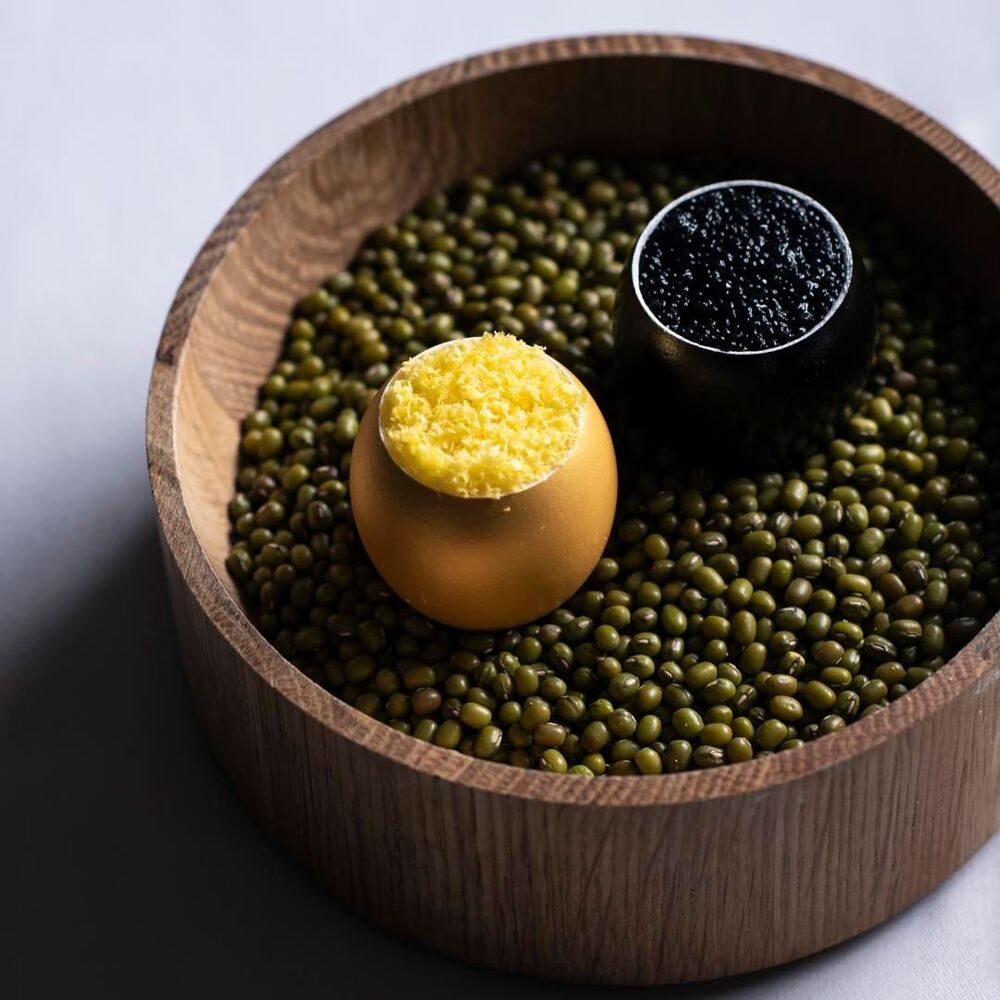
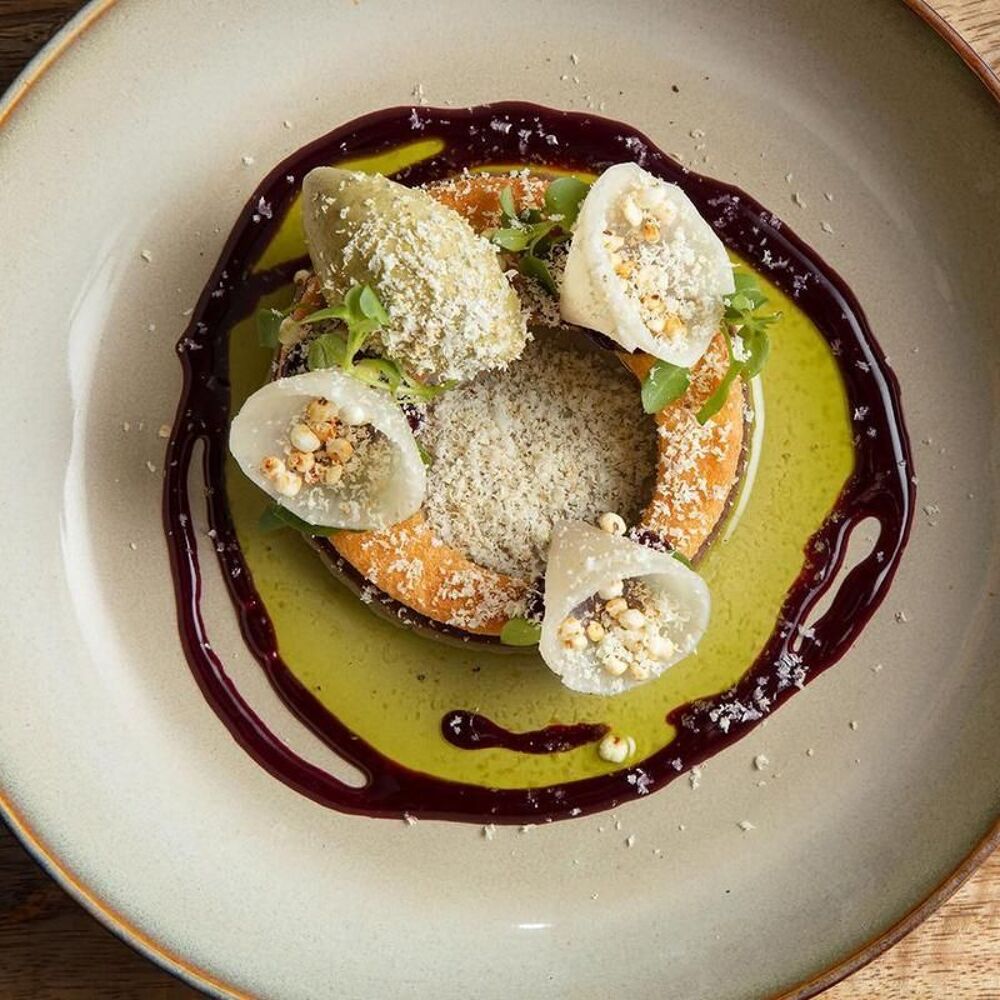
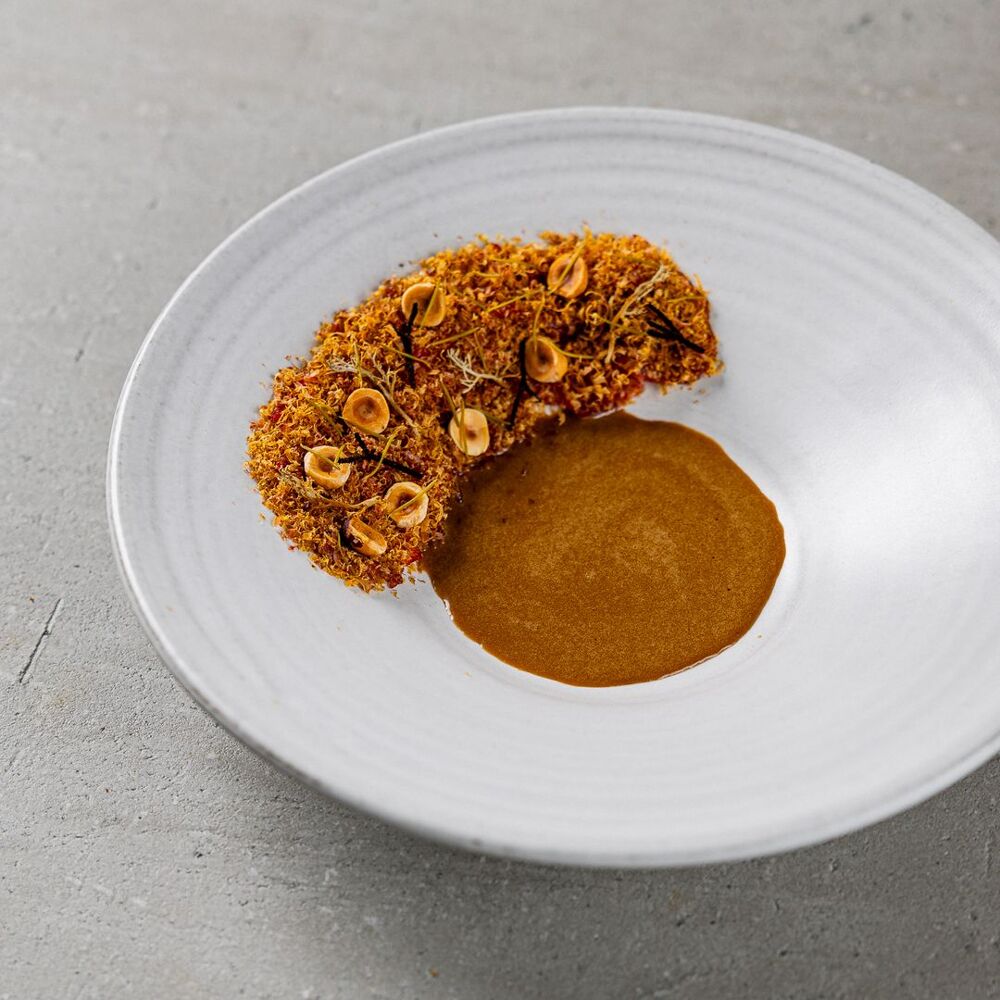
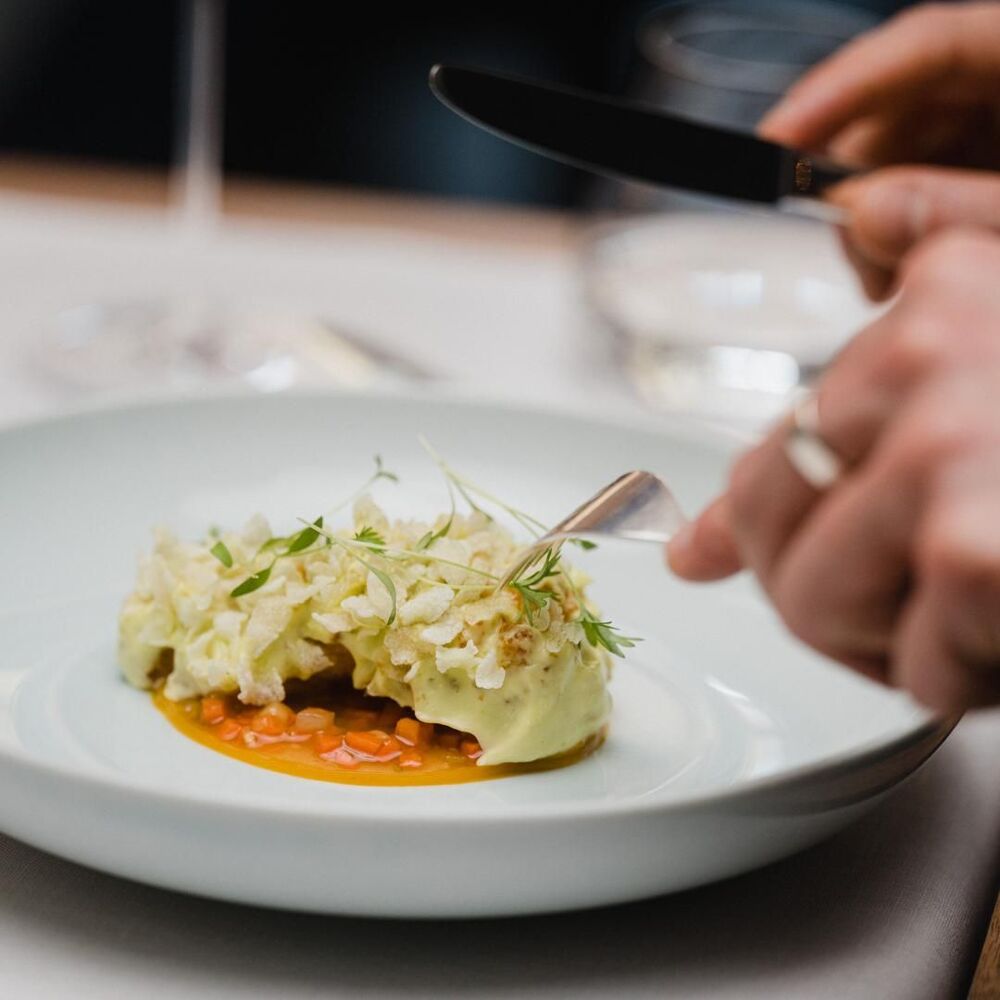
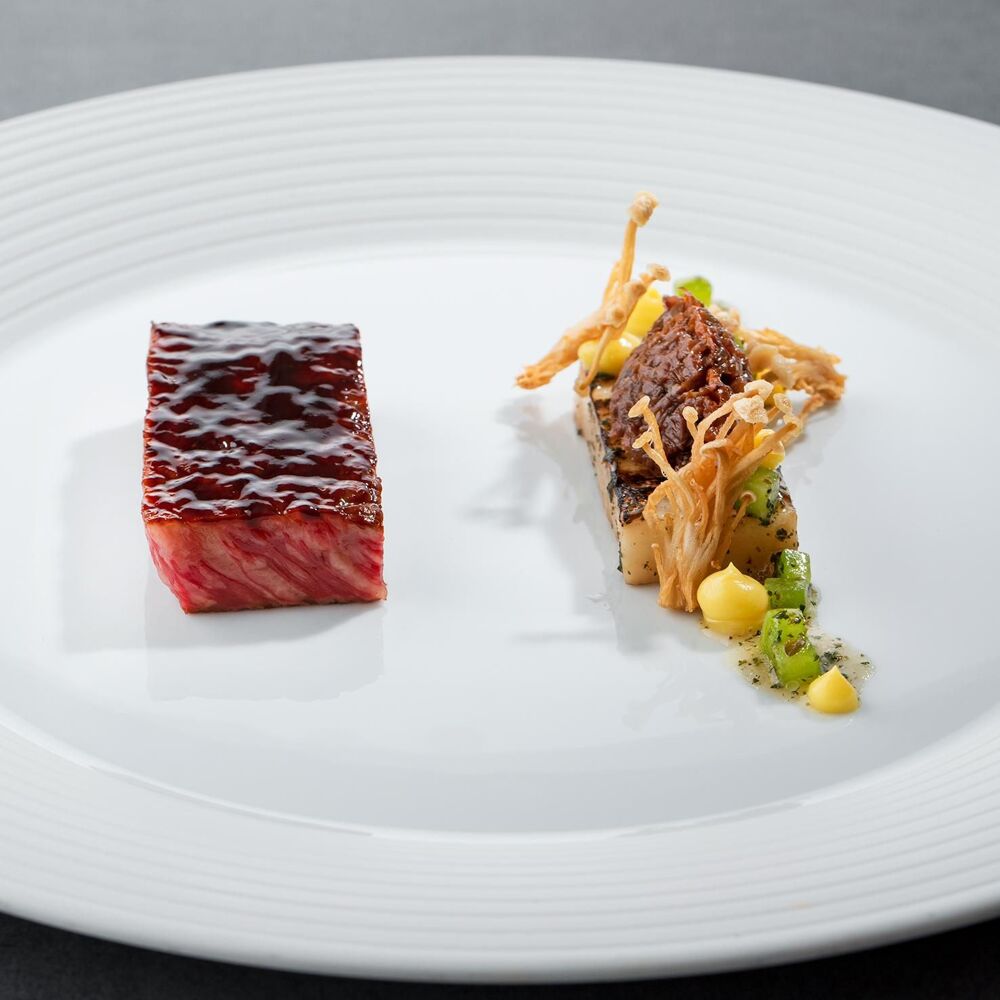
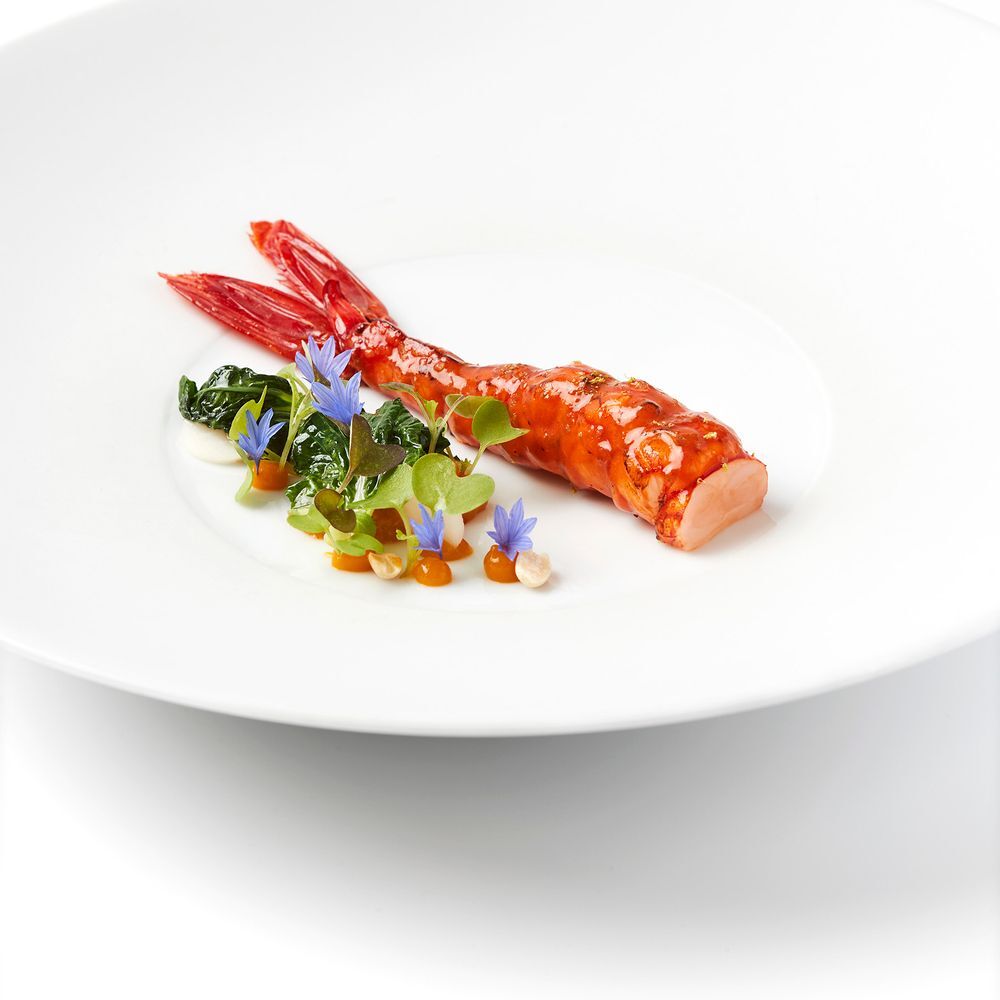
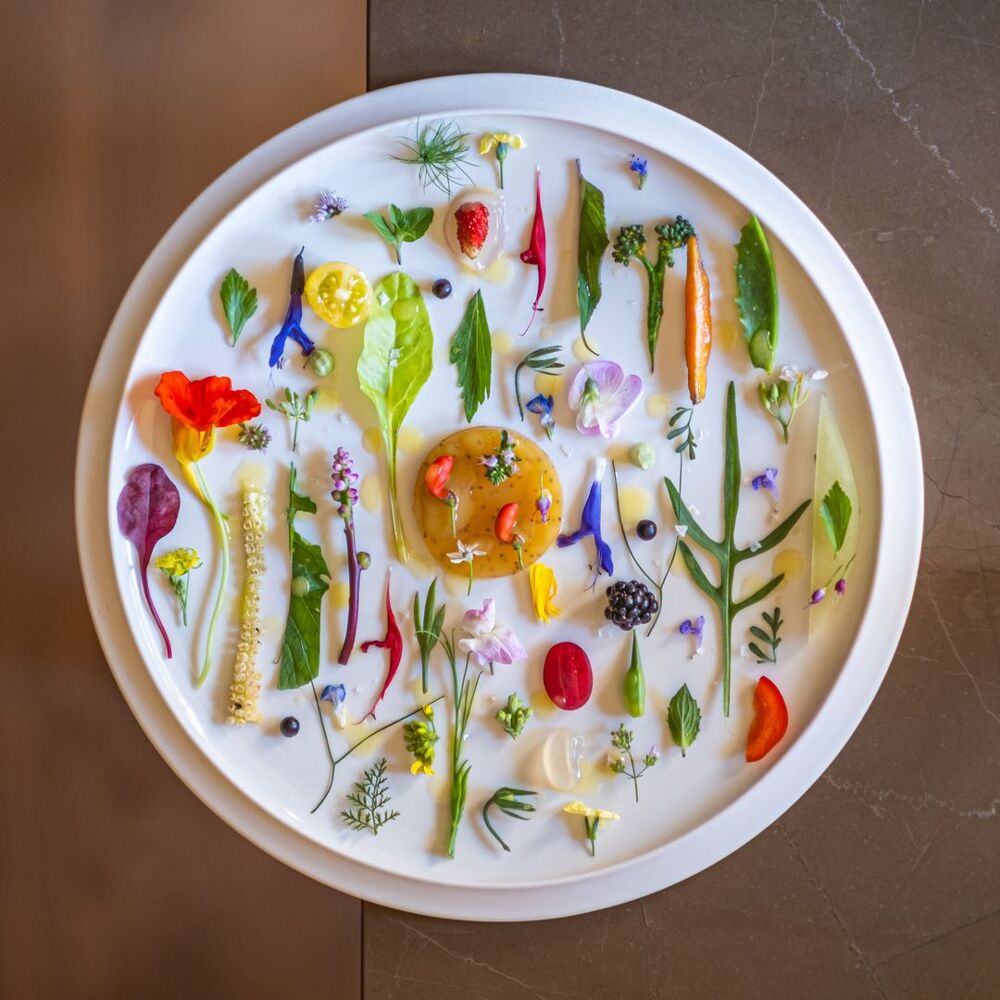
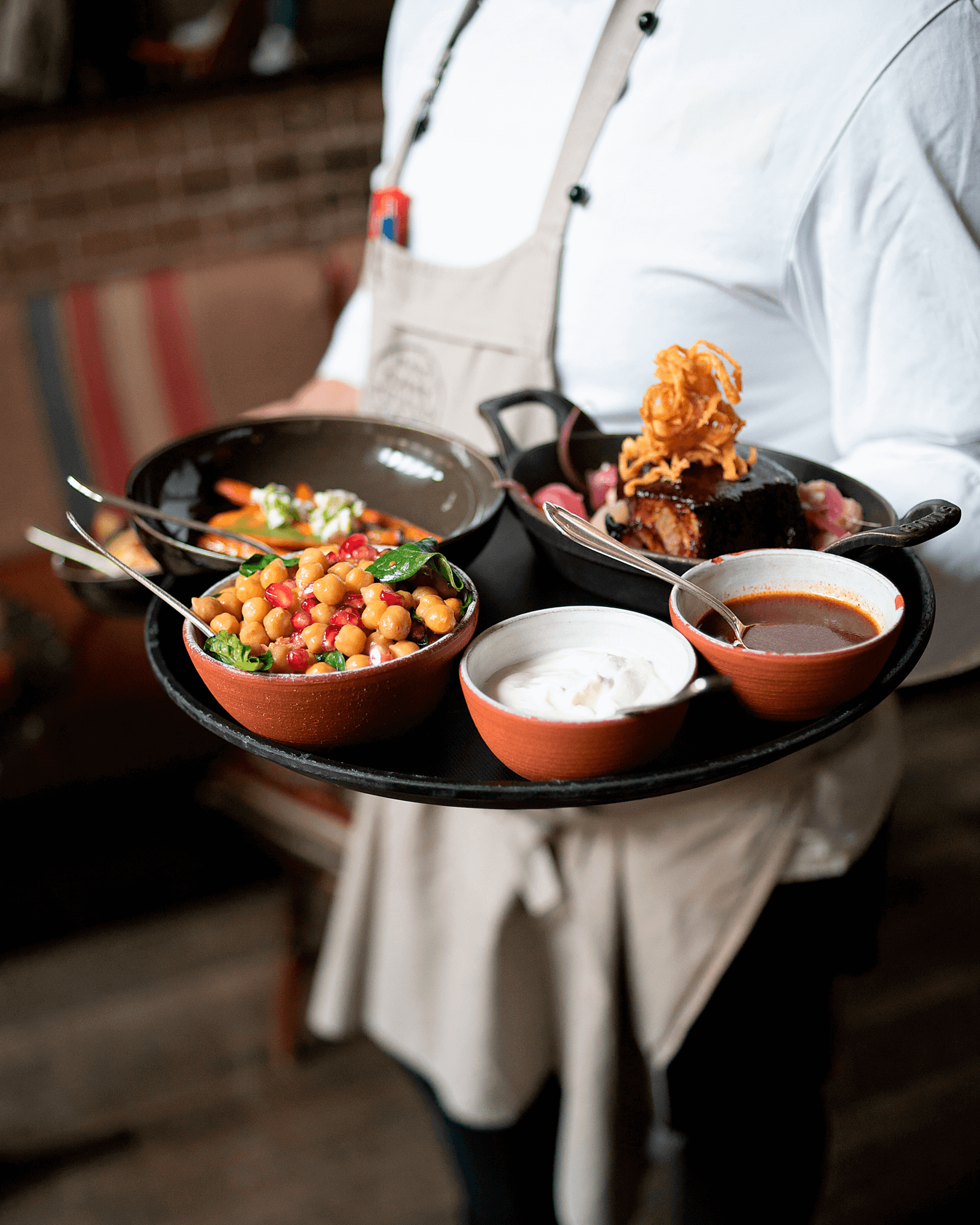
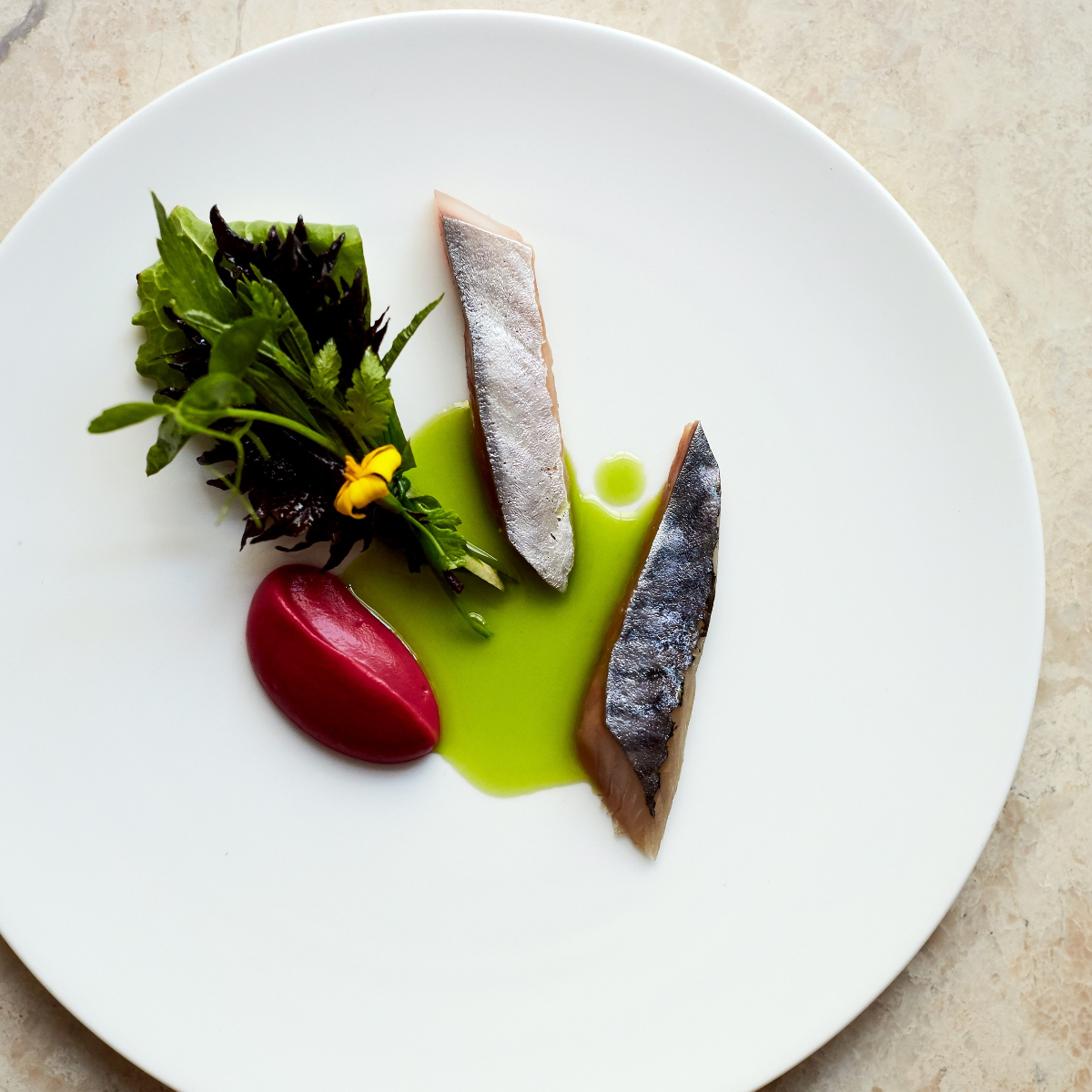
The Kreuzberg modern-bistro wave is the second register the audience reads. Nobelhart & Schmutzig (one star + Green Star, the nineteen-seat counter on Friedrichstraße) runs a hyperlocal Berlin-Brandenburg sourcing programme that has no European peer. Ernst (two stars + Green Star in Wedding, Dylan Watson-Brawn's thirty-course counter) sits in the same conversation. Coda (one Michelin star in Neukölln) is the only dessert-only tasting menu in the Michelin Guide Germany. Cookies Cream (one star, hidden behind the Westin Grand on Behrenstraße) runs the city's most coherent vegetarian programme. The format inventiveness is the city's defining trait.
German classics still anchor the dining axis the audience should not skip. Borchardt on Französische Straße is Berlin's political and media power-lunch room — the 1893 brasserie reopened in 1992, Wiener Schnitzel pounded to a saucer, the federal-government circuit booking. Lutter & Wegner at Gendarmenmarkt has run since 1811 (the German word Sekt for sparkling wine reportedly originated here). Zur letzten Instanz in Mitte (1621) is Berlin's oldest continuous pub. Café Einstein Stammhaus on Kurfürstenstraße is the 1907-villa Vienna Kaffeehaus the Schöneberg generation built into the city's morning ritual.
Reservation horizons run shorter than Paris's at every tier — six to eight weeks for Rutz, four to six for Tim Raue, two to three for FACIL and the one-star Kreuzberg-Neukölln rooms (Nobelhart books faster the day its calendar opens). Lunch at Tim Raue is the cheat code; Pazar evening in Berlin needs a confirmed booking because many salons close. The Charlottenburg older-Berlin layer (Paris Bar, Zwiebelfisch, Café Einstein, KaDeWe sixth floor) takes walk-ins and reads as continuity-as-quality the way Beşiktaş's Şükrü Kemal does in Istanbul.