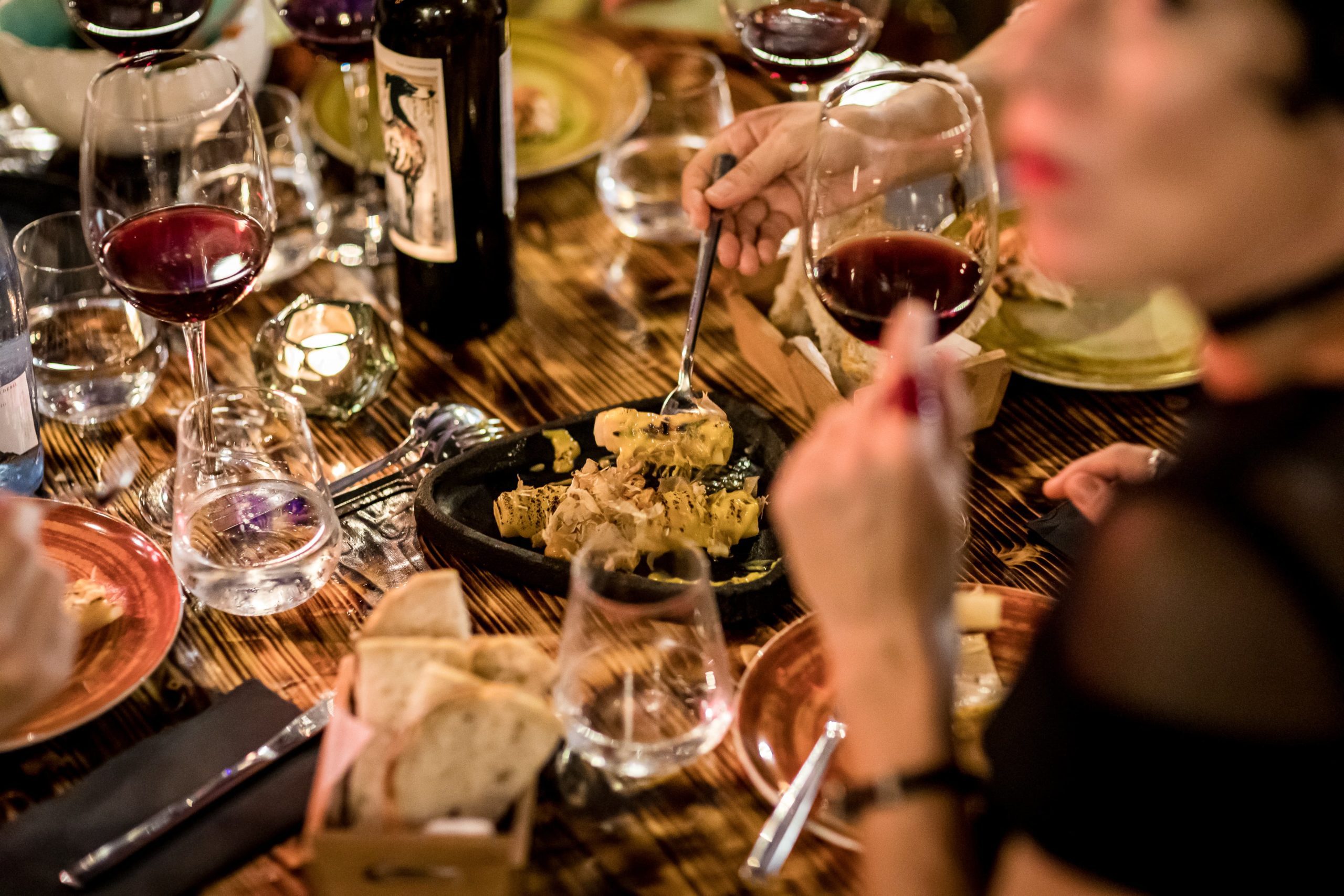
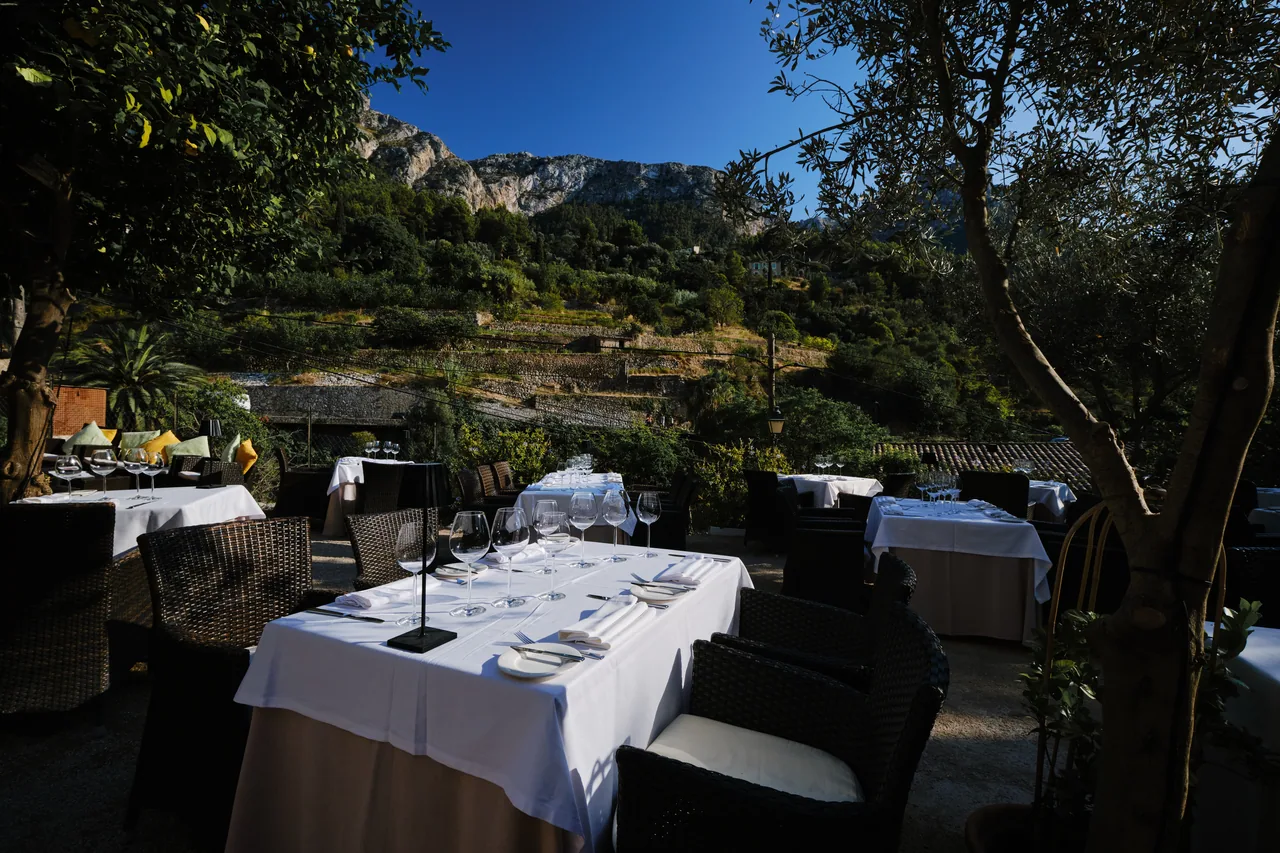
A few streets north of Porto, the smell of charcoal and sardine reaches you before the sea does. This is where the city eats fish — no sauce, no theatre, just the catch and the fire.
Matosinhos is not pretty, and that is precisely the point. It is a working port that happens to sit at the end of a metro line, ten minutes from the Boavista boulevards, and on Rua Heróis de França the restaurants do not bother with views because the show is on the pavement. Charcoal grills sit out on the street, fish laid open across the bars in oiled rows, and the smoke drifts down the block like an invitation you didn't know you'd accepted. Porto eats here when it wants the real thing, and the locals will tell you, without irony, that the city's best seafood is technically outside the city.
The grammar of the meal is fixed and worth learning before you arrive. You order by the kilo, by the day's catch, not by the menu — robalo (sea bass), dourada (bream), the fat sardines of high summer, sometimes a whole turbot if you've come with company. It goes onto the charcoal whole, salted, and comes back with nothing but boiled potatoes, a slick of olive oil, and grilled peppers. There is no sauce to hide behind. A fish grilled this plainly is either superb or it is a failure, and at the right addresses it is reliably the former.
O Gaveto is the grandee of the belt — a seafood institution that has spent decades earning the deference it gets, and the address you send the friend who wants the ritual done at its most polished. The shellfish here is treated with something close to ceremony: percebes (goose barnacles) when the Atlantic gives them up, sapateira crab dressed in its shell, prawns that taste of cold water. It is the version of Matosinhos you can take anyone to, and the one that explains why this scruffy street has a reputation that travels.
For the older, plainer register, Esplanada Marisqueira A Antiga and A Marisqueira de Matosinhos hold the line — historic marisqueiras where the tanks bubble by the door and the waiters have the unhurried authority of men who have filleted ten thousand fish. These are not places that have updated for anyone. You sit, you point, you wait, and what arrives is the unimprovable Atlantic, handled by people who have never once doubted the formula.
Then there is the tier the city actually frequents on a Tuesday. Dom Peixe and O Valentim are grilled-fish houses in the purest sense — no shellfish theatre, just a man, a grill, and a queue that knows what it's waiting for. O Valentim in particular has the feel of a secret that stopped being one; the fish is impeccable, the room is loud, and the bill is a quiet kindness. This is where you learn that the best meal in greater Porto can also be the least expensive.
Salta o Muro and Marisqueira dos Pobres complete the spectrum at its most unvarnished — a rustic tavern and a family-run room respectively, where the cooking is honest to the point of bluntness and the welcome is warmer for it. Pobres, true to a name that translates as 'of the poor,' was where dock workers ate, and the spirit survives even as the prices have crept up with Porto's fortunes.
Do it properly: come at lunch, when the catch is freshest and the grills hottest, order whatever the waiter steers you toward, drink a cold vinho verde with the slight prickle that cuts the oil, and finish nothing. The point of Matosinhos is not abundance. It is the discipline of doing one thing — a fish, a fire — with no margin for error, and then doing it every single day.