Spaccanapoli is the most touristed corridor in the city and also home to some of its best food. The two facts live a few meters apart. Here is how to walk the historic center and eat like you belong there.
The Centro Storico of Naples — the dense grid of the ancient Greek and Roman street plan, sliced through by the long straight line locals call Spaccanapoli — is where almost every visitor spends their time, and for good reason: it is one of the most intensely alive urban quarters in Europe. It is also where the highest concentration of tourist traps in the city operates, because that is simply where the tourists are. The good news is that some of Naples's genuinely great food sits on these exact same streets. The skill is in telling them apart while standing in the same crowd.
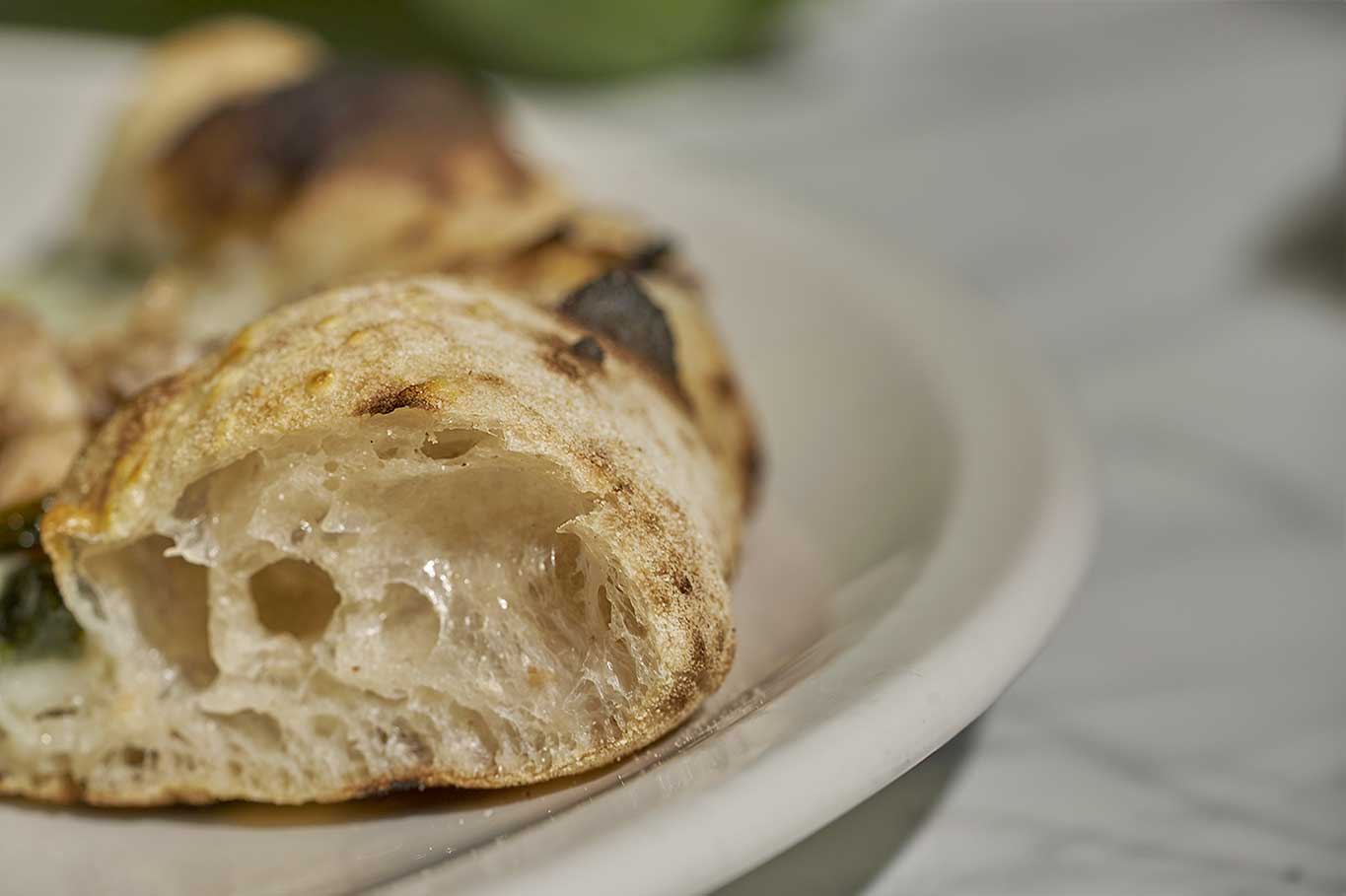
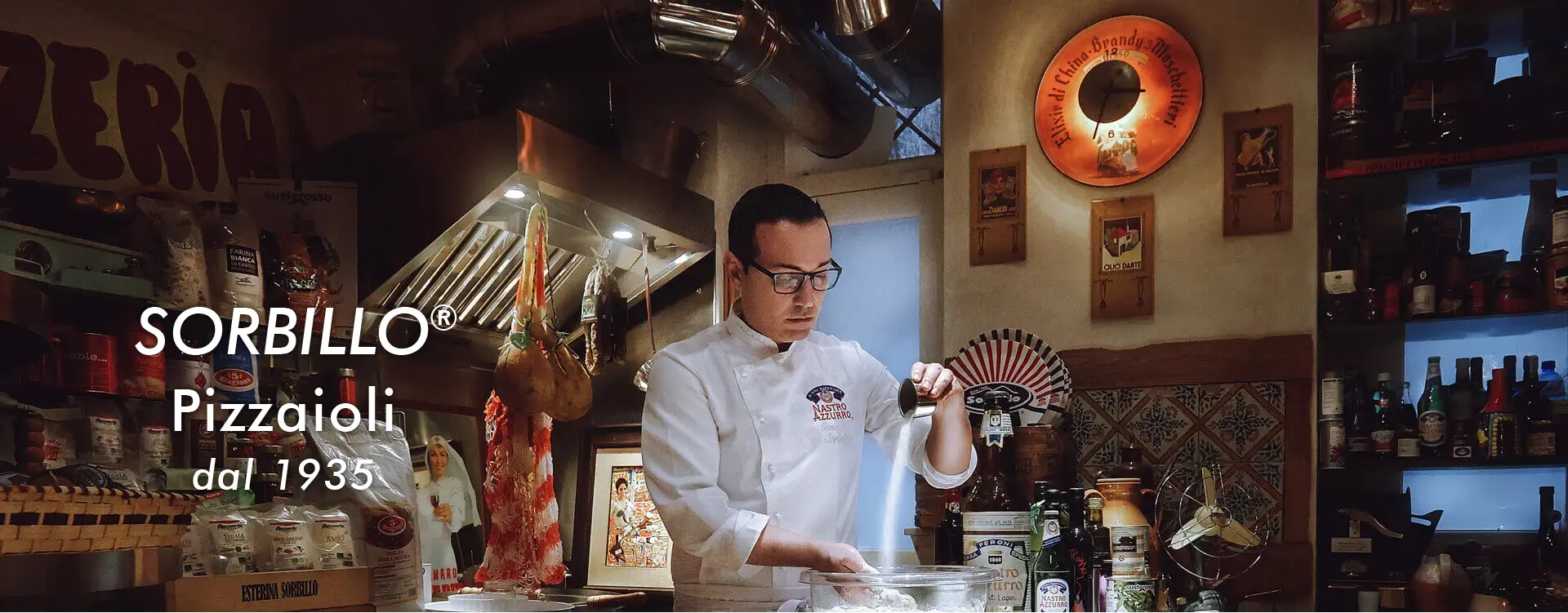
Take the pizza first, because the Centro Storico is its most contested ground. Via dei Tribunali is lined with pizzerias, many of them mediocre and trading on the street's fame. But the street is also home to Gino Sorbillo Antica Pizzeria, the most famous name on it — a genuine historic family pizzeria whose reputation, queue and all, is largely deserved, even if the fame has made it a circus. A few steps away, Antica Pizzeria Di Matteo is the more local, more under-the-radar choice on the same stretch, beloved for its fritti and its unfussy, excellent pies. The lesson of Tribunali is that the real thing and the trap are often next door to each other; you have to know the names.
For pizza in the historic center with a little more polish, Palazzo Petrucci Pizzeria on Piazza San Domenico Maggiore is the chef-driven address — the pizzeria offshoot of the serious Posillipo kitchen, set on one of the most beautiful squares in the Centro Storico, where the dough and toppings get a fine-dining sensibility without losing the soul of a Neapolitan pie. It is the proof that you do not have to choose between location and quality on these streets; you simply have to choose the right room on the right piazza.
Beyond pizza, the historic center hides a clutch of trattorie and osterie that locals have kept to themselves. Osteria Tandem, in the Pendino area just off Spaccanapoli, has built a devoted following on essentially one idea executed beautifully: ragù — the slow-cooked Neapolitan meat sauce in its various forms, served with bread and conviction. It is small, convivial, and exactly the kind of single-minded place that the tourist-trap model never produces. You go for the ragù, and the ragù is the whole point.
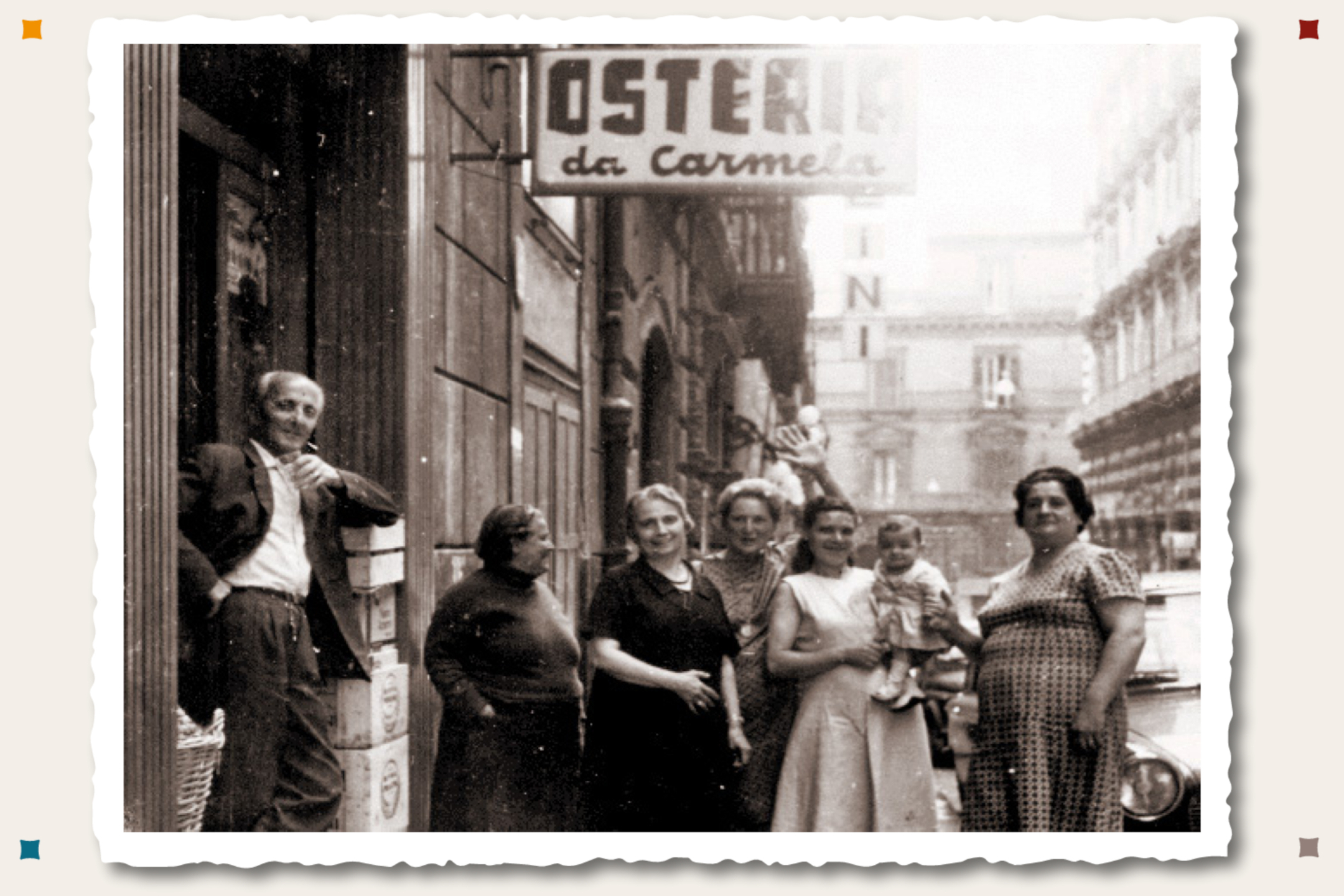
Near the university, in the Nilo quarter, Antica Trattoria del Nilo is a true family trattoria — the genoise of Neapolitan home cooking, the pasta and the daily specials done without flourish for a room of regulars and the occasional lucky visitor. And Osteria da Carmela, on the edge of the Centro Storico, is the same proposition: a family osteria, authentic and unhurried, the menu short and seasonal, the prices honest. These are the rooms that survive on locals rather than turnover, and they are the antidote to the laminated multilingual menu and the photographs of every dish.
Which points to the rules, the same ones that work all over Italy but matter doubly here. Avoid any place with a tout outside, a host beckoning you in, or photographs of the food on the menu. Be suspicious of laminated menus in four languages and of any restaurant whose tables are full at 6:30 in the evening, when no Neapolitan would dream of dining. Look instead for short menus, full rooms of locals at 9pm, hand-written specials, and a certain indifference to your custom — the great trattorie are not trying to win you; they assume you already know.
End where the visitors do, but end well: a coffee and a sfogliatella at Scaturchio on the Piazza San Domenico Maggiore, the historic pasticceria that has anchored the Centro Storico for generations. It sits in the middle of the most touristed square in the old city, and it is still excellent — which is the whole paradox of eating in the historic center in one address. The crowds and the quality occupy the same ground. Your job is simply to know which door to walk through, and now you do.