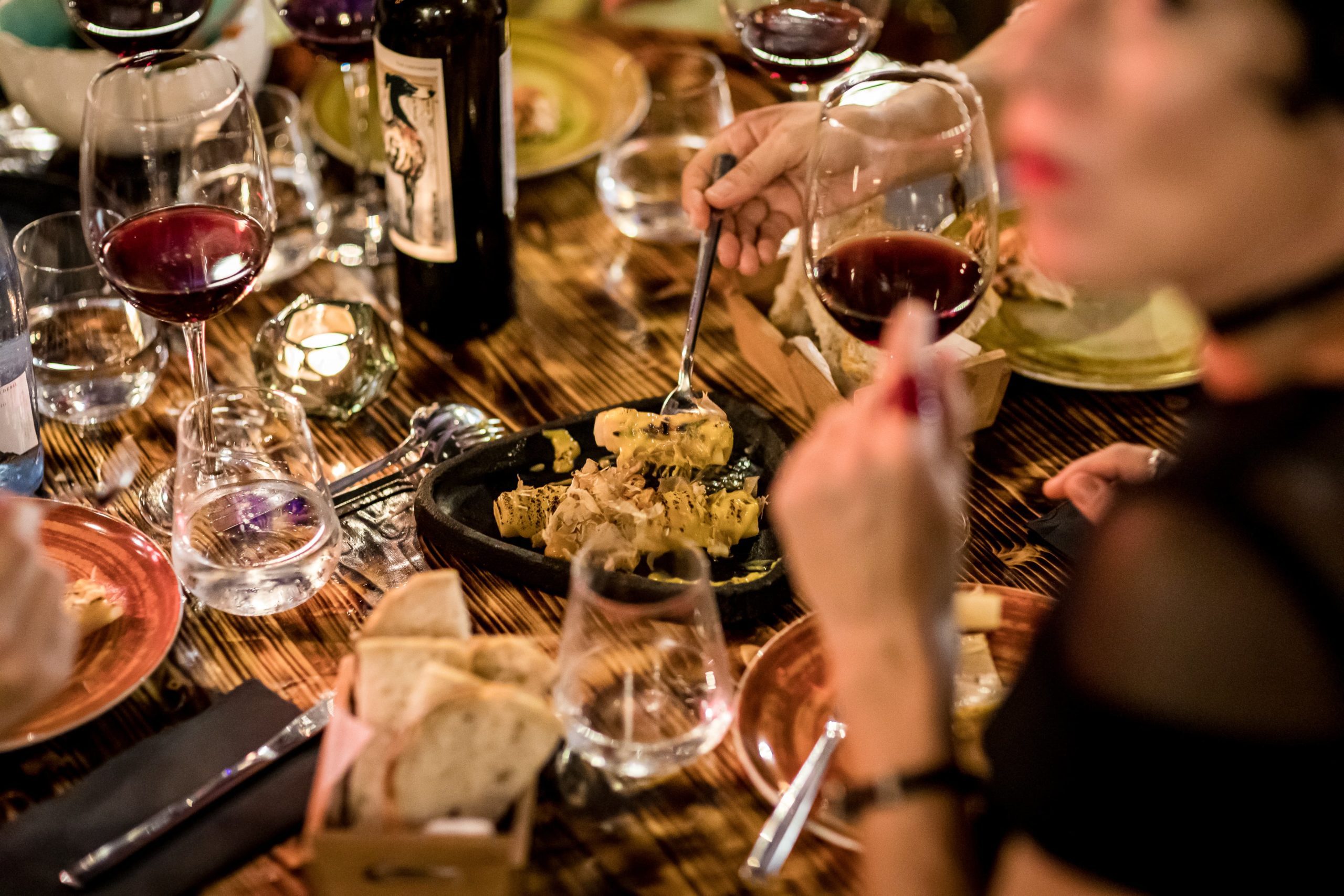
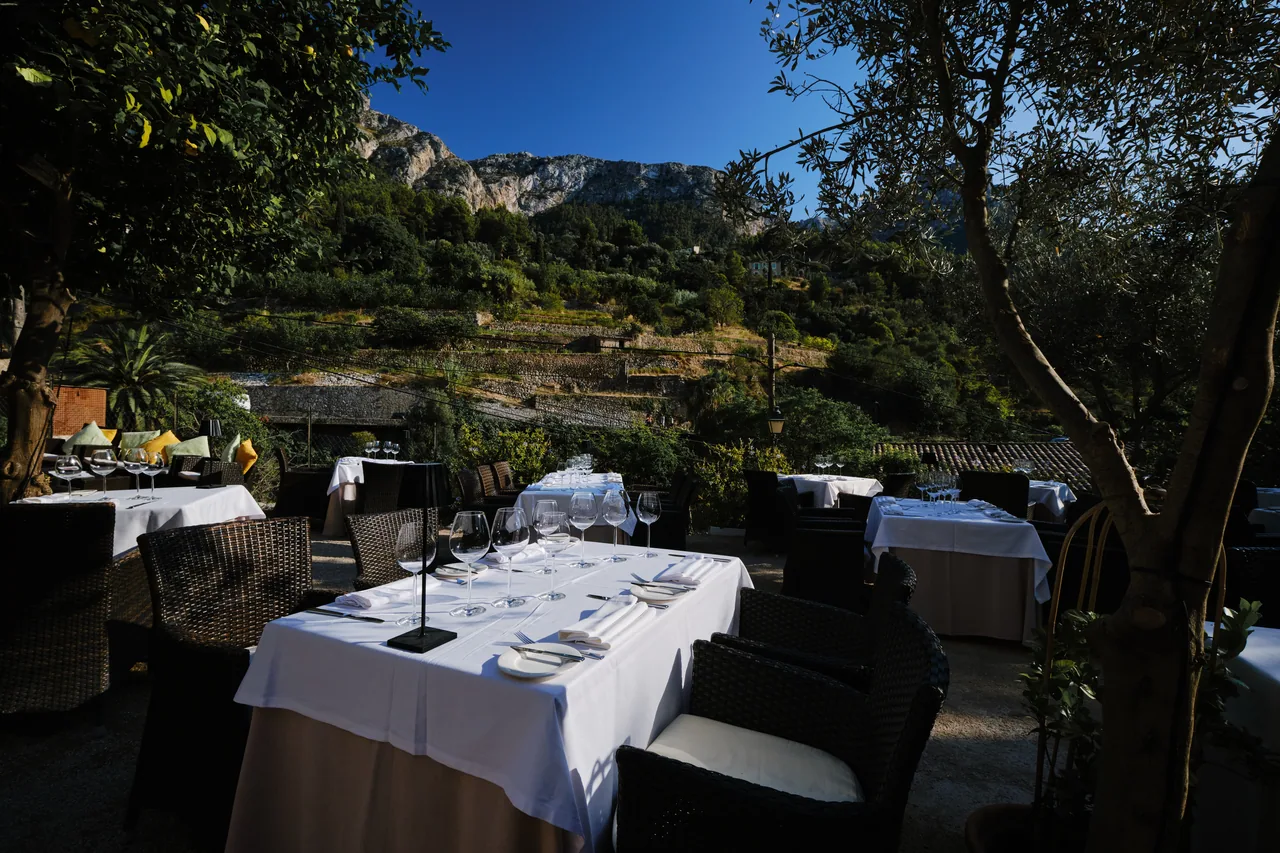
The Old Town's bars are not a buffet — they are specialists, each one mastering a single thing. Eat in the right order, stand at the right counter, and the crawl becomes one of the great meals of your life.
The first thing to understand about San Sebastián's pintxos is that the towers of food piled on the counter are a trap for the unhurried tourist. The bread-and-toothpick constructions sitting under glass have been there since lunch. What you want is what the bar actually does well — the one or two things cooked to order, called out from a chalkboard or simply known by everyone at the rail. A pintxos crawl done right is not grazing; it is a relay of single dishes, one bar at a time, each chosen for its specialty.
Begin before the crowd, with a glass of txakoli and a plate of gildas — the skewer of anchovy, olive and guindilla pepper that is the city's edible handshake. Then move with intent. The Parte Vieja is small enough to cross in ten minutes, which means you can afford to be disciplined: one pintxo, one drink, then out the door to the next counter. Lingering is for the end of the night, not the middle of the crawl.
Start at Ganbara, where the glory is the sautéed wild mushrooms — a copper pan of seasonal setas crowned with a raw egg yolk that you break and stir through the heat. Order it at the bar, not the dining room, and eat it standing. From there it is a short walk to Borda Berri, the chef-driven bar that turned the kitchen-counter pintxo into an art form: ask for the veal-cheek in red wine, so soft it collapses, and the risotto of Idiazabal cheese that arrives almost molten.
Bar Néstor is the discipline test. It opens for two short windows a day and makes precisely three things — a tortilla so coveted you must put your name on a list an hour before it emerges, a plate of tomatoes from a single grower, and txuleta steak. There is no menu of small bites here; this is a pintxos institution that behaves like a temple, and you queue for the tortilla or you go without. Plan around it rather than stumbling in.
For a single perfect skewer, Goiz Argi exists to grill prawns — gambas a la plancha, head-on, finished with garlic and salt, served so fast and so simply that the whole transaction takes ninety seconds. It is the most efficient bite in the Old Town and one of the best. Eat it, pay, leave. Then steer toward Bar Txepetxa, which has built four decades of devotion on one ingredient: the anchovy, laid over bread and dressed a dozen ways — with sea-urchin roe, with crab, with a spiced tomato — each a small lesson in what a cured fish can become.
Close at A Fuego Negro, the most modern stop on the route, where the Old Town's traditions are pulled apart and reassembled with humour — a 'makcobe' of Kobe beef in a soft bun, squid-ink theatrics, a wine list that rewards the curious. By now the counters everywhere are three-deep and the street is loud; this is the moment to slow down, order another txakoli, and let the crawl turn from a route into an evening.
The whole circuit is walkable, unhurried in spirit but brisk in practice, and it teaches the single rule that separates the visitor from the local: you do not stay anywhere. You eat the thing each bar was built to make, you drink one short glass, and you move. Do that across six or seven counters and you will have eaten better — and cheaper — than at almost any tasting menu in the region.