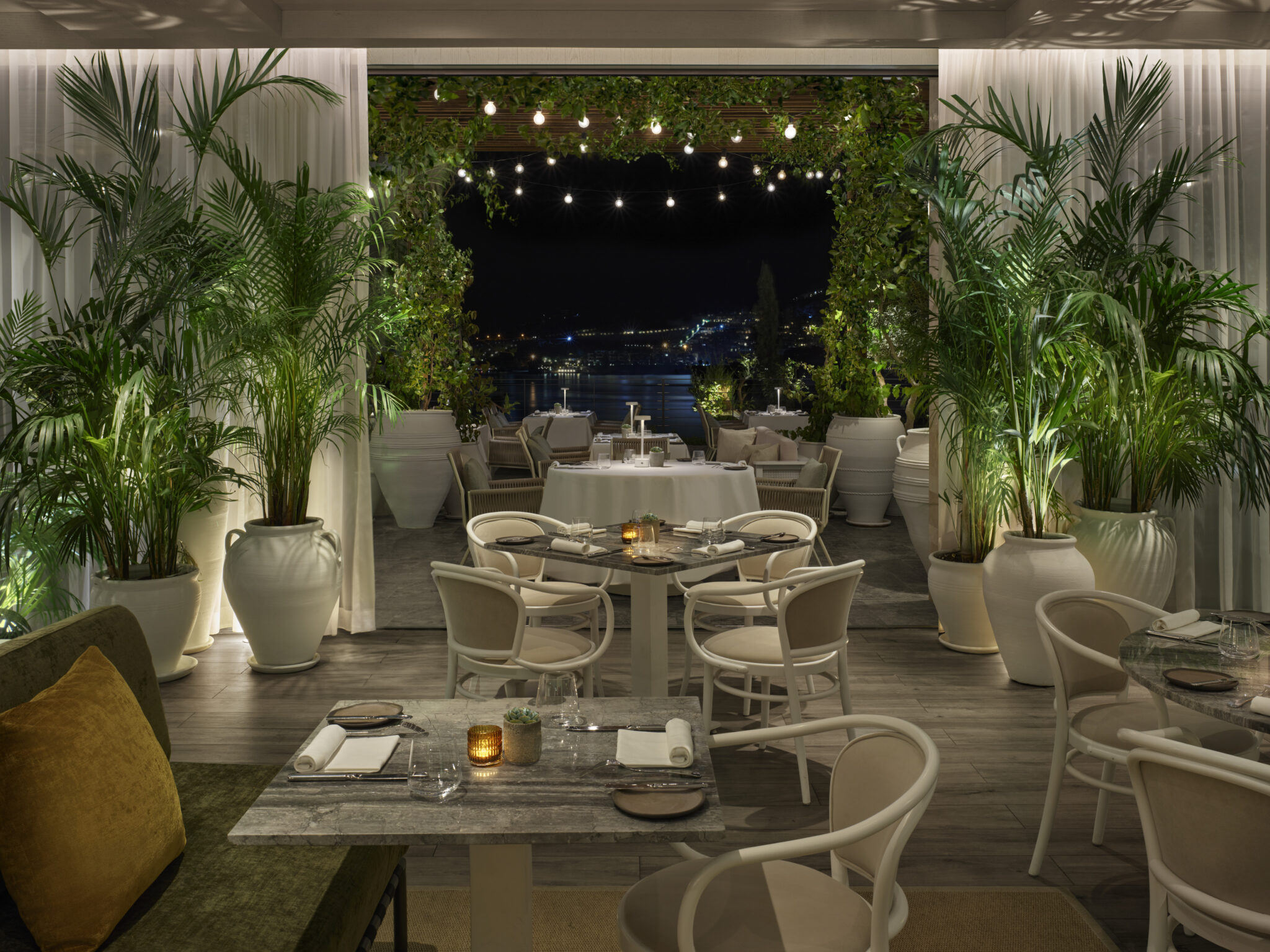
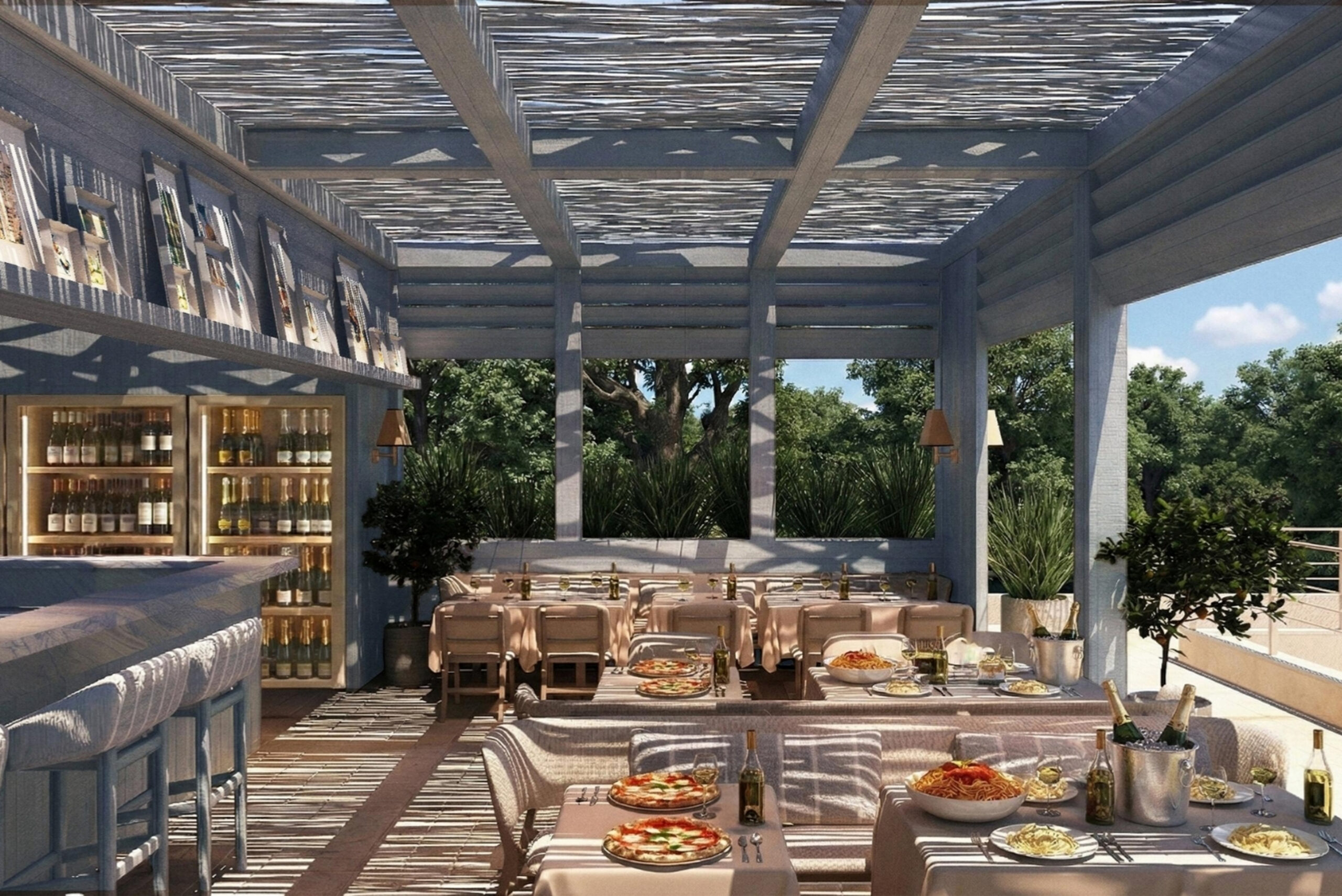
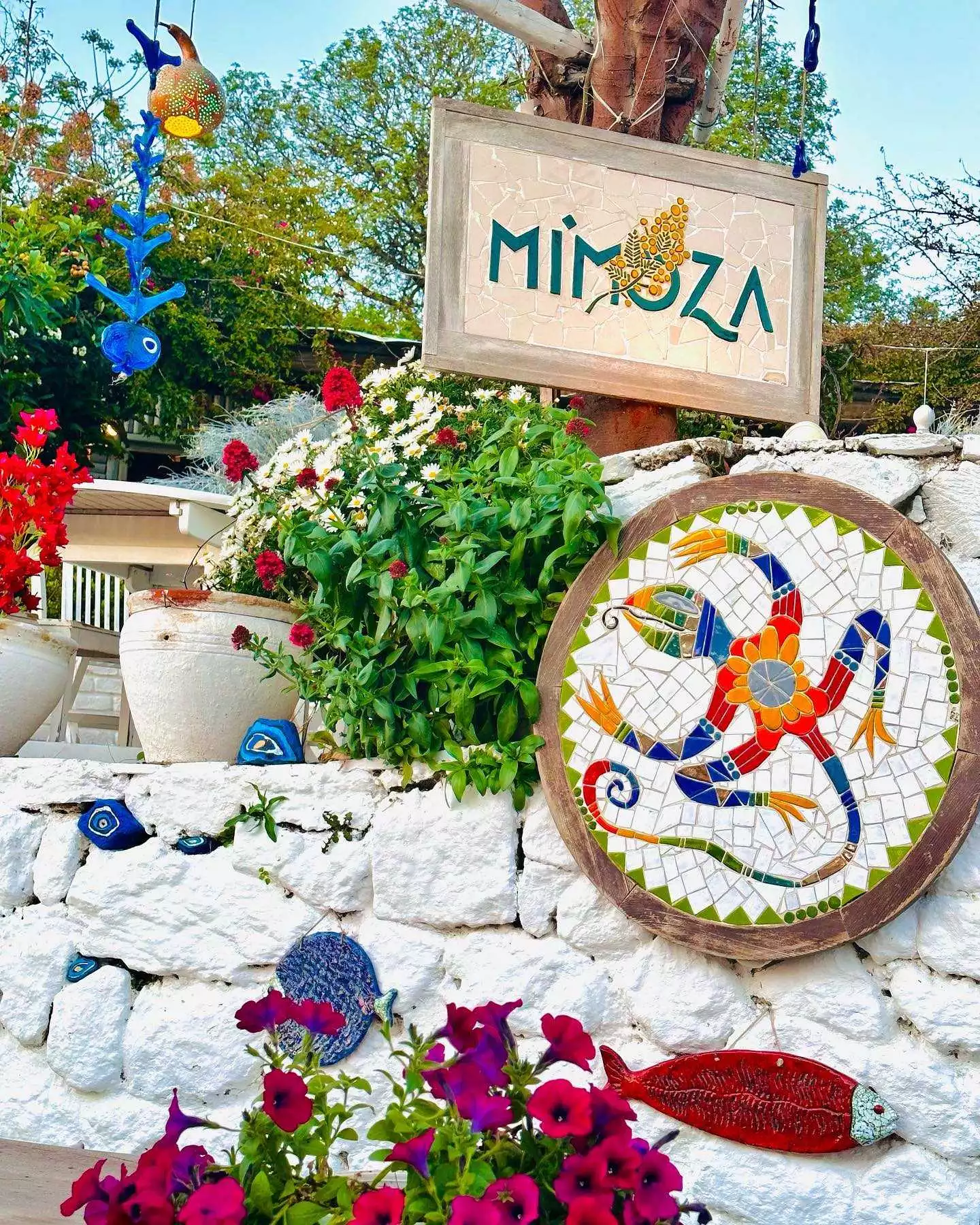
Mezra Yalıkavak got the peninsula's first Michelin Star in the 2026 Türkiye guide. The choice is unusual for the right reasons, the cooking is a working farm, not a marina chef.
The 2026 Michelin guide for Türkiye landed in early May with the kind of small surprise that gets the food side of Bodrum talking through dinner. The peninsula's first star did not go to the marina, did not go to the obvious imported-chef rooms, did not go to a name on a hotel masthead. It went to Mezra Yalıkavak, Serhat Doğramacı's seven-decare working garden inland from the harbour, where most of what reaches the plate has been grown, raised or foraged on the property itself. A Green Star arrived in the same announcement. The choice is unusual, and it is unusual for exactly the right reasons.
Mezra is not a marina restaurant. The address is inland, on a sokak the taxi drivers do not always know on the first try, and the room sits in the middle of the garden it cooks from. The format is a long Anatolian tasting menu, eight to fourteen courses depending on the night, that rewrites itself every fortnight as the garden moves. The early-summer menu in 2025 ran on broad beans, green almonds and the first çağla; the late-summer menu went to slow-cooked lamb and the kind of wild herbs that the Aegean undergrowth does for about three weeks in August. None of this is theatre. The garden is real. The kitchen visits it twice a day.
Doğramacı himself is the second reason the choice is the right one. He was named Michelin Young Chef of the Year for Türkiye in 2025, before the star arrived, which is the rarer pre-announcement that the inspectors had already found the room. His training is technique-led and his references are continental, the precision is visible in every plate, but the cooking does not import a continental sensibility into Anatolia. It runs the other direction. The plates are Anatolian dishes that happen to be executed with the discipline of a tasting room. A çiğ köfte plate does not pretend to be a tartare. A wild chicory dish is not a salad. The translation is internal, not the standard fine-dining trick of dressing one cuisine in another's clothes.
What makes the Green Star meaningful, and not the marketing gloss it sometimes is at lesser rooms, is that the sustainability claim is structural. The garden does not exist because the menu sounds better with it; the menu exists because the garden was already running. The herbs come from rows the staff weed by hand. The lamb comes from animals the property raises. The wine list reaches deep into Aegean and Anatolian producers, Yedi Bilgeler, Vinkara, Diren, and skips most of the imports the marina rooms cannot do without. The 2,000 TL prepayment, the no-children-under-twelve rule, and the closed-Mondays calendar are all the unglamorous structural choices of a kitchen that prioritises the work over the volume.
The other Bodrum room that the 2026 guide recognised, Orfoz, on the terrace above Kumbahçe, got a Green Star without a star, and that is also the right outcome. Orfoz has held the same terrace for two decades, runs a single set menu for the night, and decides the catch at the auction; the Green Star confirms what the regulars already knew about how the kitchen sources. The star did not come because Orfoz is not chasing one. The cooking is precise but not architectural; the room is built for a long evening, not a tasting menu's pacing. The two awards together describe Bodrum's culinary axis correctly: a tasting room that earned its star through structural work, and a long-format Aegean dining room that earned its Green Star through three decades of doing things properly.
The Bodrum that already existed will not change because of the star. The marina will continue to import its chef names; the Türkbükü beach platforms will continue to fill at lunch; the cove rooms will continue to grill yesterday's fish on yesterday's prices. What the star changes is the question a serious diner asks at the start of a Bodrum week. For about fifteen years that question, what is the one table on the peninsula that justifies booking three weeks ahead, did not have a clear answer. The honest reply was that the peninsula did not really have one; the best evenings were the long, unfussed fish tables and the village rooms, and the imported-chef restaurants were good but did not justify the price compression of the marina address. The star resolves the question. The answer is Mezra. Booked three weeks ahead. The long format, not the short one. Two hours from the marina by the back roads, fifteen minutes by car if you know where you are going.
The deeper reading is what the choice says about the inspectors' read of the peninsula. They did not pick the easiest target, they picked the room that is doing the most original work, in the most structurally serious way, on the most unfashionable axis. Inland not waterfront. Garden not import. Anatolian register not French translation. That is the right reading of where Türkiye's serious cooking currently lives, and Bodrum's first star tracks the country's broader gastronomic shift more honestly than a marina pick would have. It is also why the Türkbükü families who do not normally drive inland for dinner are now driving for Mezra. The work has earned the trip.