Shoreditch peaked as a cultural brand around 2015 and has spent ten years quietly recalibrating. The cool moved east. The kitchens stayed. What sits there now is more interesting than the postcard ever was.
The Shoreditch the Istanbul cosmopolitan first heard about, Boxpark in shipping containers, the Box Park-era Brick Lane crossover, the Shoreditch Grind queue at every corner, peaked roughly between 2012 and 2016. It is the version of the neighbourhood that travelled best as a brand: the warehouse parties, the Cereal Killer Cafe, the Rich Mix lobby, the Looking-for-Hipsters tour the audience's nephew did on a 2014 weekend. Most of that has cooled. Some of it has moved east, into Hackney Wick or Walthamstow Village. Some has simply gone. What stayed in Shoreditch is the part that did not need the cool to operate, and ten years on it is the more interesting register.
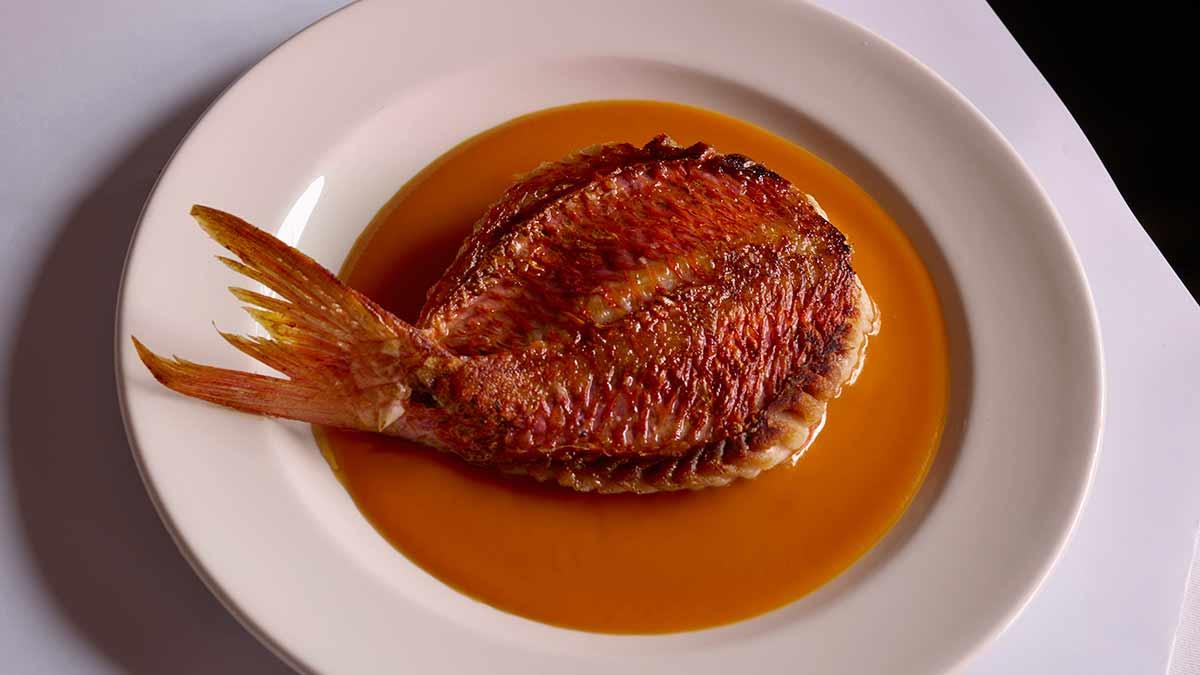
Brat is the canonical example. Tomos Parry's Cornishman-doing-Basque-grill room above the Smoking Goat in 2018, one Michelin star within a year, Climpson's Arch summer outpost a few minutes east. The whole turbot grilled over the wood-fired plancha is the dish; the room is small, the menu is short, the cooking is the headline. Brat earned its second star in the 2025 guide. The audience that came in 2018 because Shoreditch was the Instagram set still goes in 2026 because the kitchen has not slipped, and the booking has gone from a curiosity to one of the city's two-star anchors.
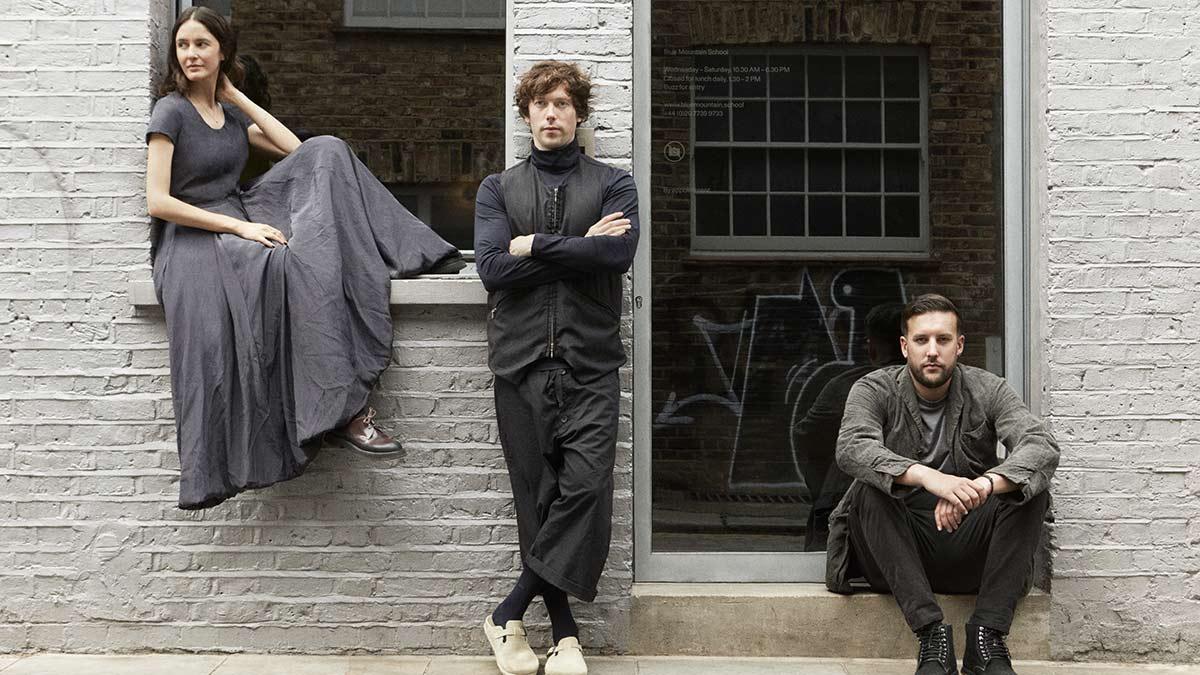
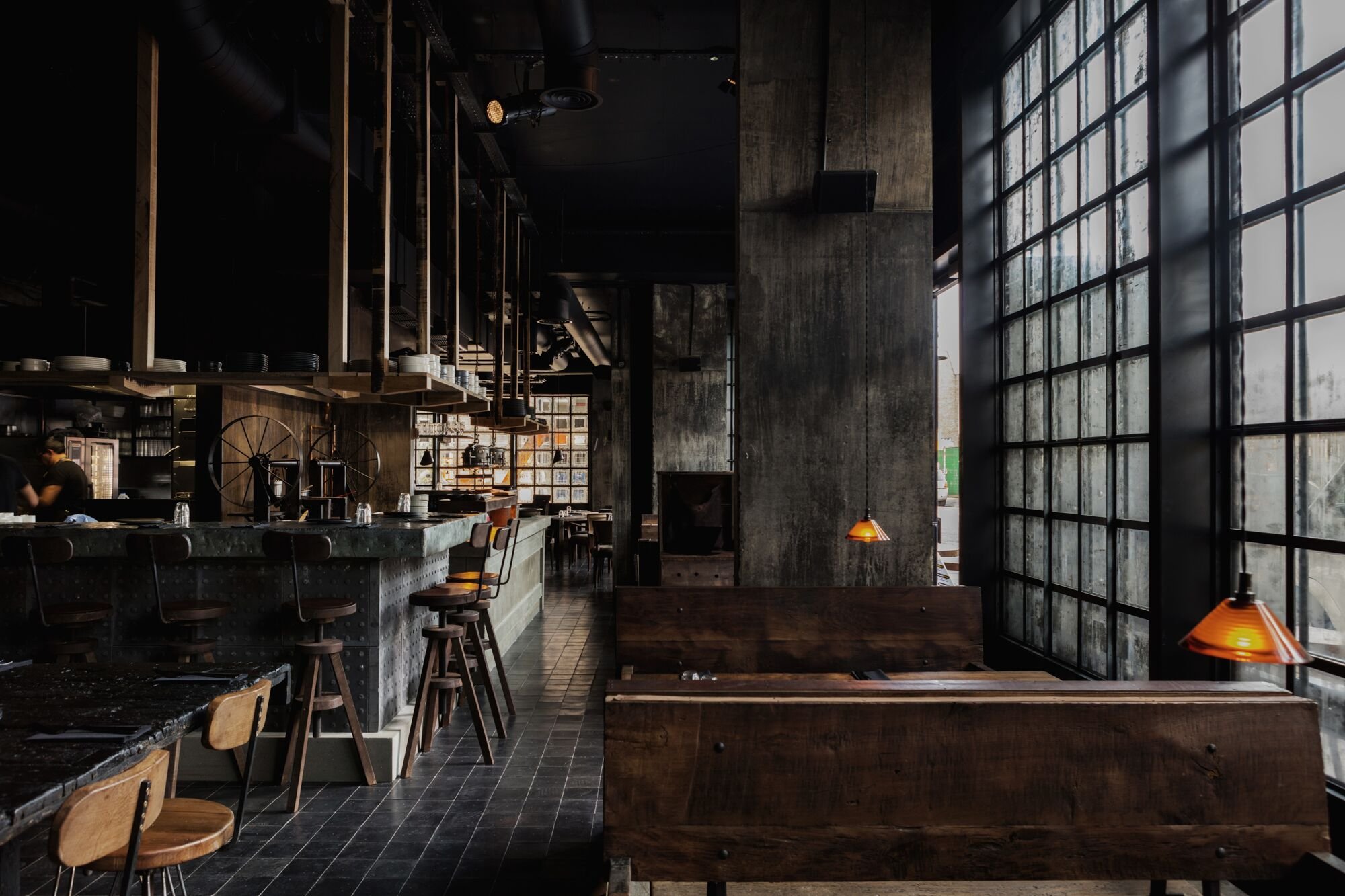
Lyle's, four streets away in the Tea Building, runs the same logic in modern British. James Lowe opened in 2014 with a daily-changing four-course set menu, no music, white walls, ingredient names on the plate, and won a Michelin star within two years. The room has held it through the 2026 guide. Cycene, in the Blue Mountain School concept space on Chance Street, opened in 2022 and held its star into 2026 through a chef succession. Sessions Arts Club, just over the border in Clerkenwell, runs the most photographed dining room in East London (an 18th-century courtroom in deliberate ruin) without becoming a set-piece. None of these rooms required the Shoreditch brand to work. All of them have outlived it.
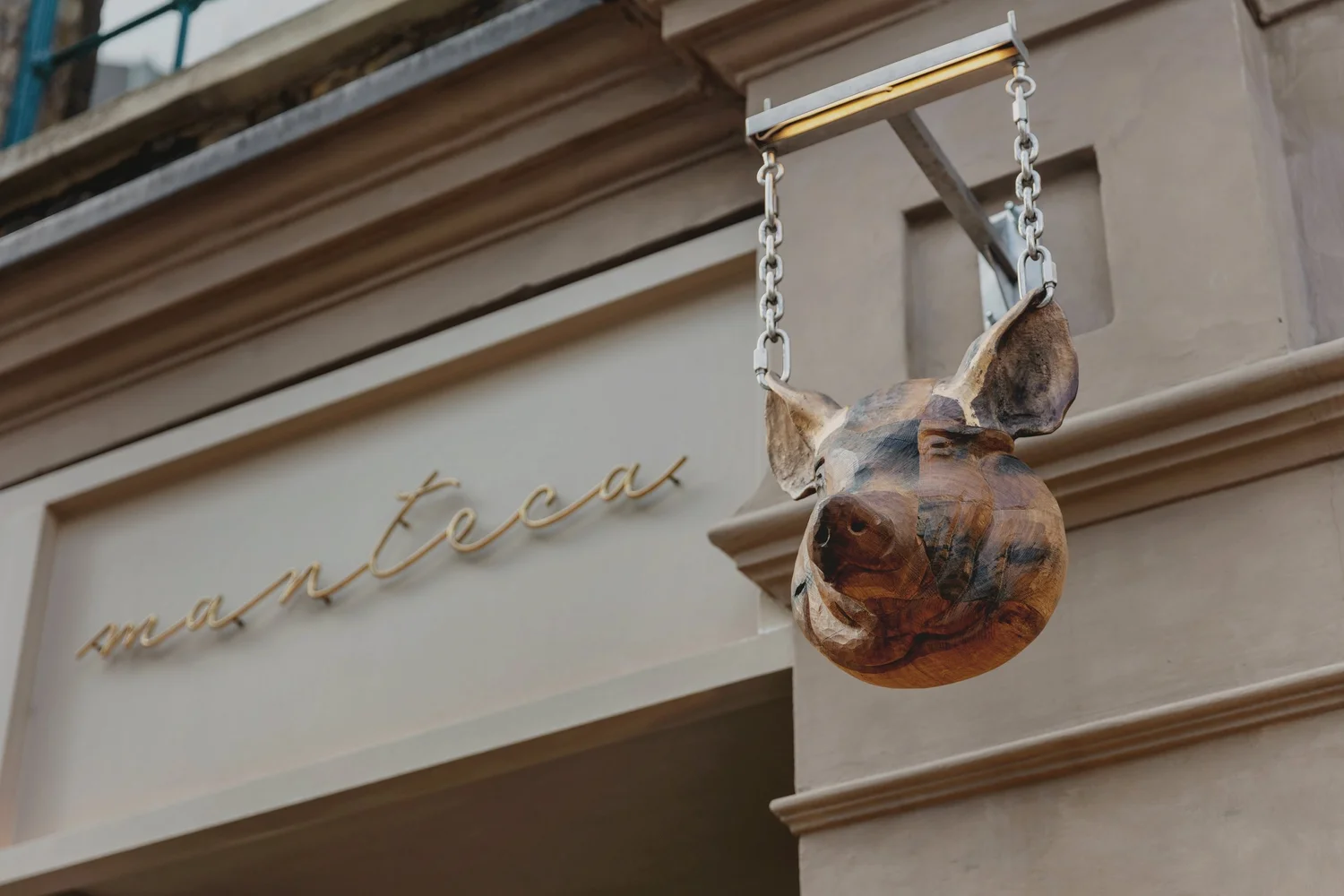
The food register that did require the cool, the Cereal Killer-line, the Bone Daddies-spinoff, the burger-and-natural-wine combo that was everywhere in 2016, has thinned. Some closed. Some moved east. The Devonshire (the Soho pub the cosmopolitan keeps hearing about, despite being on Denman Street) is the room that absorbed the cultural trade Shoreditch lost, and it sits firmly on the other side of Oxford Circus. What remains in Shoreditch is the working kitchen, Brawn (the Columbia Road natural-wine bistro, opened 2010, still on the same site), Smokestak (the Sclater Street barbecue room, brisket-and-burnt-ends discipline), Manteca (the City fringe pasta room, Glasshouse Yard, run by JKS), Som Saa (the Spitalfields Thai room, fermented sausages over rice).
Dishoom Shoreditch on Boundary Street is the chain's three-floor flagship, and the Shoreditch room is the one most worth visiting in the eight-strong London estate, bigger than King's Cross, less crowded than Covent Garden, the bacon naan roll at breakfast a separate booking the audience makes the morning of departure. The cocktail bar register has moved north, Tayer + Elementary on Old Street, A Bar With Shapes For A Name on Kingsland Road, Happiness Forgets on Hoxton Square, into Hoxton and Hackney Road, but they are still walkable from a Shoreditch dinner.
What the cosmopolitan recognises in 2026 is that Shoreditch has done the work cities do when their cultural brand peaks: it has lost the visitors who came for the brand and kept the residents and the kitchens. The audience that books Brat or Lyle's or Cycene this year is not booking the postcard. They are booking the cooking, in a neighbourhood that has the supply chain (Spitalfields and Borough are both fifteen minutes away), the producer infrastructure, and the chef-restaurant density to do it. The cool is somewhere else. The kitchen still works.