The İstanbullu visitor with a sweet tooth lands in Paris with three names already memorised, Hermé, Grolet, Genin, and proceeds to walk the city wrong. The actual map of where each pastry chef belongs in a working day, and which boutique is the one that justifies the detour.
Paris pâtisserie is geographic in a way the audience tends to ignore. The big-name boutiques are mapped to specific arrondissements for specific reasons, the Saint-Germain literary district concentrates the Hermé customer, the Opéra business corridor concentrates the Grolet customer, the Marais residential block concentrates the Genin customer, and the visitor who tries to do all three in one walking afternoon ends up doing none of them properly. The trick is to match the boutique to the part of the day that actually fits its product.
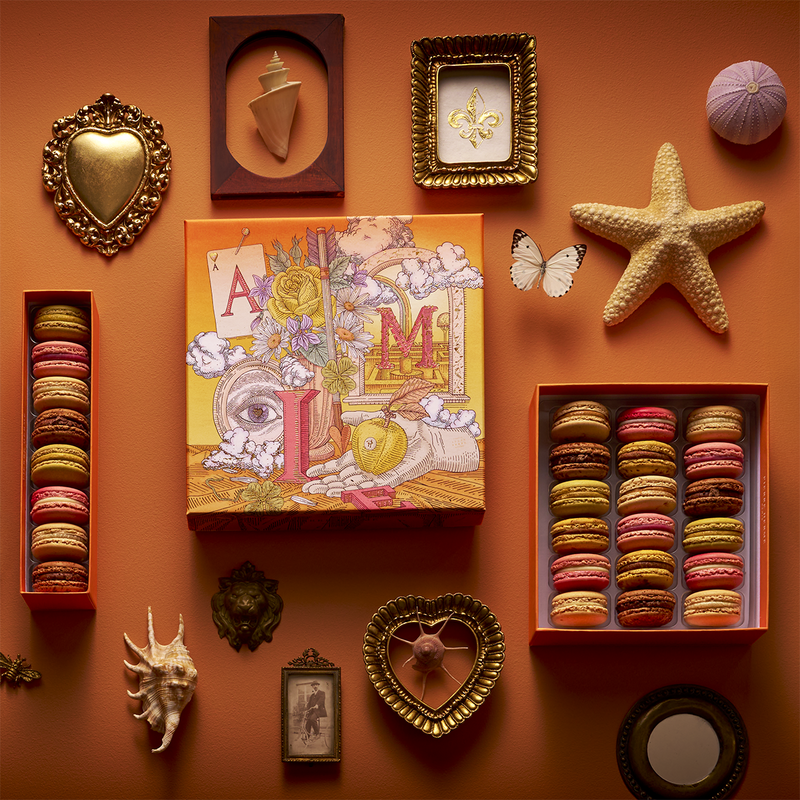
Pierre Hermé's flagship at 72 rue Bonaparte is the late-afternoon stop, never the morning. Hermé's macarons hold up four hours after baking and then start to slip; the morning customer gets the leftover yesterday batch from the regional shipping run; the 16:30 customer gets the second day-batch fresh out of the workshop on rue Vaugirard. The boutique itself is the smallest of his Paris locations and the queue is honest, twelve to fifteen minutes on a Saturday at 17:00. The flavours that move through the seasons (Ispahan in May, Mogador all year, the Olympia Black on the autumn rotation) are the order. The chocolate selection at Bonaparte is also the strongest in his network. The mistake is buying the tarts here, Hermé tarts hold a fraction as well as the macarons and the boutique on rue Cambon does the modern format better.
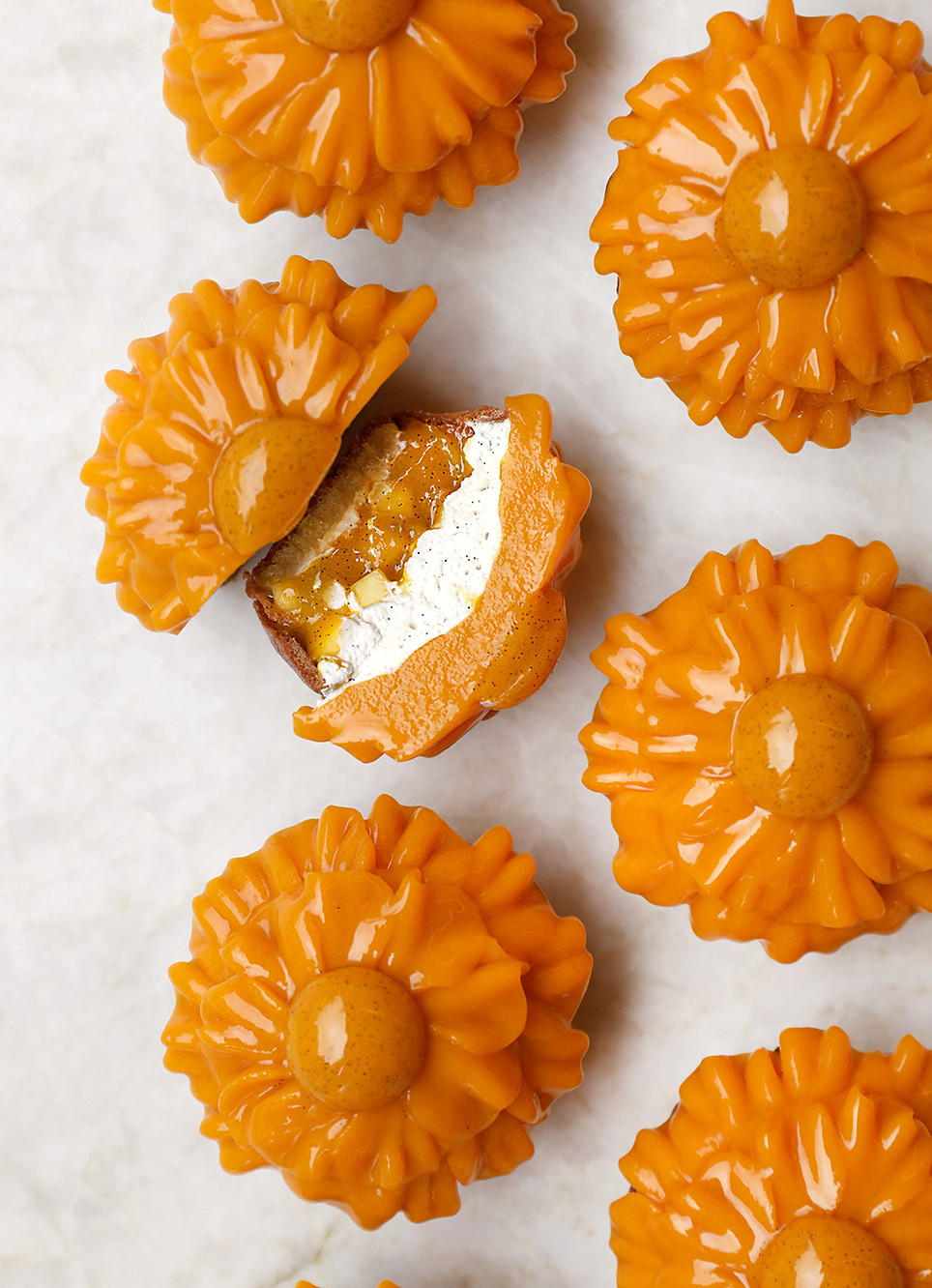
Cédric Grolet has two boutiques the audience books around. The Opéra address (35 avenue de l'Opéra) is the all-day pâtisserie with the trompe-l'oeil fruit pastries, the apple that is made of pâte d'amande and white chocolate and looks like an apple that fell off a tree, the lemon that is made of confit and meringue and looks like a lemon. These are the pieces that travel on Instagram and the queue at noon is forty-five minutes. The order, if you have done this before, is to skip the queue and book the boutique in the Le Meurice hotel on rue de Rivoli, same chef, same trompe-l'oeil pieces, no queue, the boutique inside the hotel runs on a different traffic logic. The morning slot at Le Meurice (10:00 opening) is the one. Bring it back to the hotel; do not eat it on the street. The trompe-l'oeil collapses in transit if you walk more than ten minutes with it.
Jacques Genin at 133 rue de Turenne is the Marais boutique, and the one the audience misuses most. Genin is not the macaron stop. He is the caramel stop, the chocolate stop, and the millefeuille stop. The caramels (passion fruit, Earl Grey, salted butter) are the take-home of the whole trip, the chocolates are the gift back to Istanbul, and the millefeuille, assembled to order, takes eight minutes, two euros more than the standard, is the room-eat dessert that is genuinely better fresh. The boutique has a small upstairs salon that the audience uses for the made-to-order millefeuille at 15:30 with a tea. Booking is required for the salon (call ahead); the downstairs counter takes walk-ins.
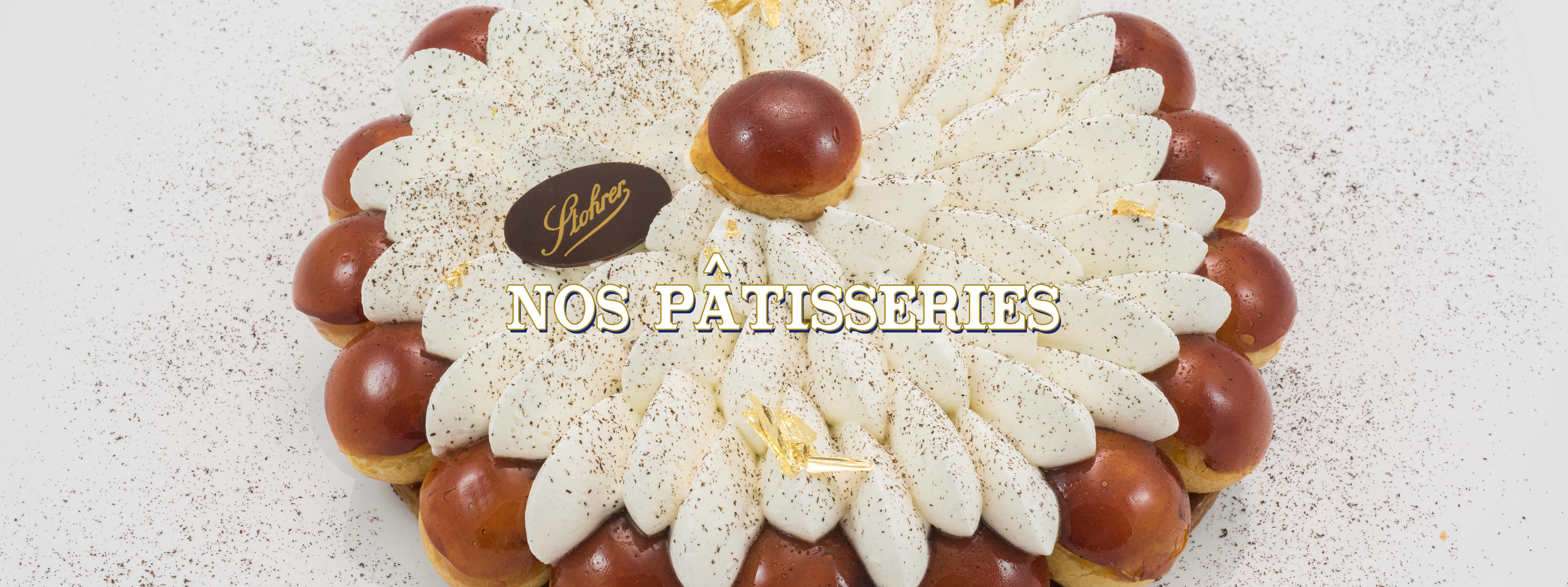
The two-tier complement to the headline trio is Sébastien Gaudard at the Tuileries arcades, classical French pâtisserie that the older Paris audience reads as the actual reference point, and Yann Couvreur on rue Parmentier, whose mille-feuille is the contemporary alternative for the audience that finds Genin's too modern and Hermé's too perfumed. Lenôtre on Boulevard de Courcelles holds the bourgeois reference; Stohrer on rue Montorgueil (1730, the oldest pâtisserie in Paris) holds the heritage piece, the original baba au rhum, invented in this room.
The walking map for one full pâtisserie day, given a 16e or Saint-Germain hotel, runs like this. 10:00, Le Meurice for Grolet. 11:30, walk down rue de Rivoli to Sébastien Gaudard at Tuileries for the morning tarte. 13:00, lunch (anywhere). 15:30, Marais walk to Genin for the millefeuille and the take-home caramel selection. 17:00, Saint-Germain walk to Hermé Bonaparte for the macaron run and the chocolates. By 18:30 the day is done and you are back at the hotel with a bag that the dinner reservation will need to work around, drop it at the room before you go.
The mistake the visitor makes is treating these boutiques as interchangeable luxury shopping. They are not interchangeable. Hermé is the macaron and the chocolate. Grolet is the trompe-l'oeil and only the trompe-l'oeil. Genin is the caramel and the millefeuille. Each one solves a different part of the pâtisserie question and the trip that runs all three on the same day with the right order solves the question fully. The trip that does any one of them out of register, Genin in the morning, Hermé in transit, Grolet from the Opéra queue at noon, gets a worse version of each.