Konstantin Filippou Restaurant
Scelta della redazione
Restaurant Two Michelin Stars Tasting Menu Austrian Greek
Konstantin Filippou
$$$$
Two Michelin stars in the Innere Stadt — Austrian-Greek precision since 2013.

Vienna's imperial core — Stephansdom, Hofburg, kaffeehaus institutions, fine-dining anchors
Vienna's first district sits inside the Ringstraße and carries almost the entire imperial register — Stephansdom at the centre, the Hofburg palace complex one tram stop west, the Burgtheater and the Staatsoper bookending the Ring, the Graben and Kohlmarkt couture streets running between them. The kaffeehaus institutions that define the city are here: Demel, Sacher, Central, Hawelka, Landtmann. The fine-dining anchors that matter — Konstantin Filippou, Shiki, Tian, Yohm — sit within ten minutes' walk of each other. The gezgin uses the 1. Bezirk for the booked-six-weeks-out dinner, the morning Melange at a marble-topped table that has been there since the 1870s, and the post-Staatsoper light supper. Inside the Ring everything is walkable; outside it the city becomes a different proposition.
12 locali
Two Michelin stars in the Innere Stadt — Austrian-Greek precision since 2013.
Two Michelin stars — Vienna's Japanese fine-dining anchor at Krugerstraße.

Two Michelin stars inside Palais Coburg — Austria's deepest wine cellar.

One Michelin star + Green Star — Europe's leading vegetarian fine-dining room.
One Michelin star in the Innere Stadt — pan-Asian fine dining since 2009.

One Michelin star inside Hotel Kempinski Vienna — Marcus Riedel's modern Austrian.
The schnitzel that overhangs the plate since 1905 — Wollzeile, the original house.
The Tafelspitz address since 1993 — Ewald Plachutta's defining boiled-beef room.
Innere Stadt institution since 1618 — Beethoven's grocer, now the Bognergasse brunch.
Hotel Sacher's fine-dining flagship — modern Viennese, Staatsoper-side.
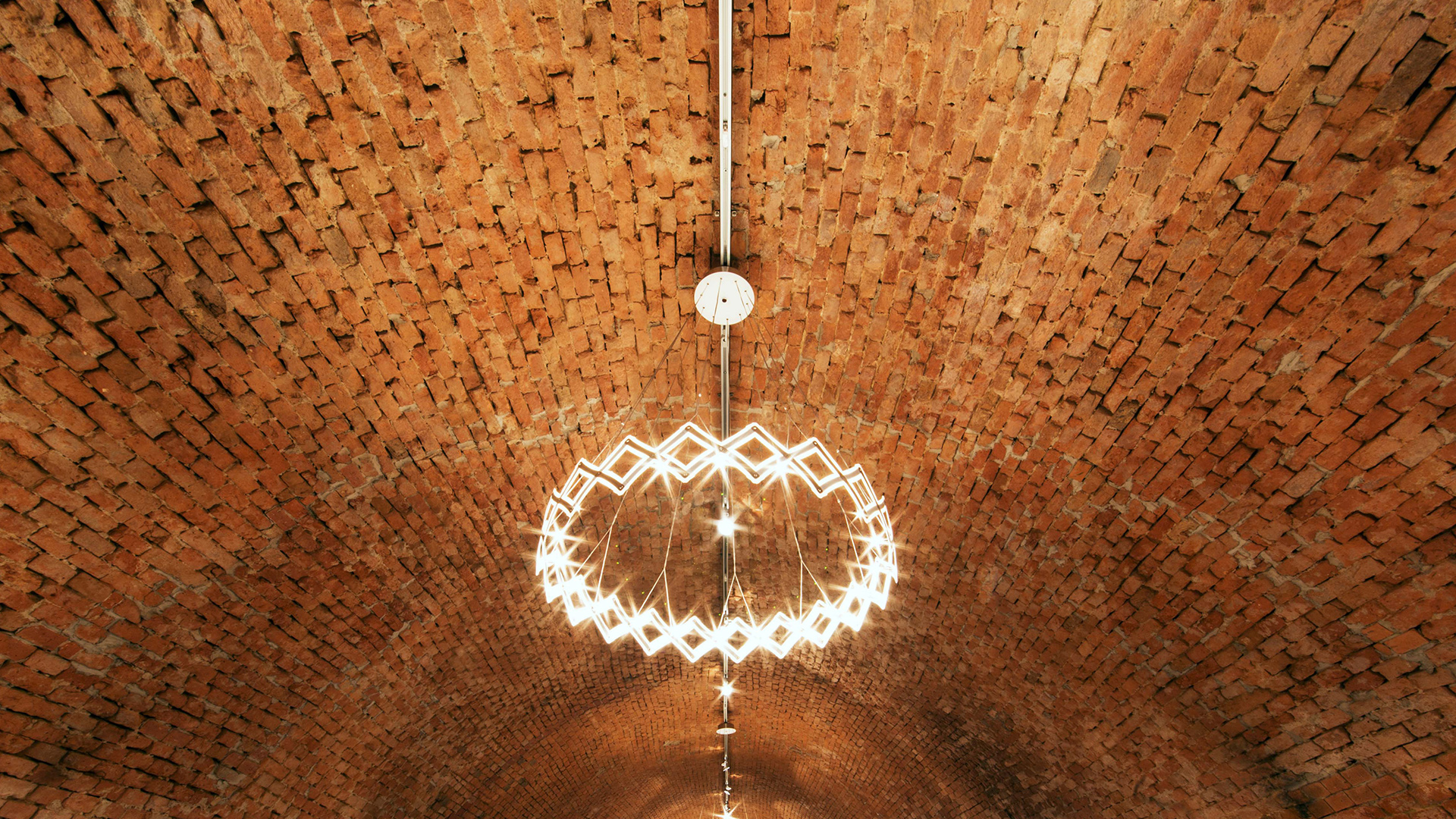
Three Michelin stars in Döbling — Juan Amador's wine-cellar tasting menu since 2019.

Innere Stadt Wirtshaus — the boiled-beef-and-horseradish kitchen for the audience without four hours.
6 locali

The Innere Stadt kaffeehaus since 1876 — vaulted ceilings, Trotsky's chess table.

K.u.K. Hofzuckerbäcker since 1786 — the imperial court's pastry confectioner.
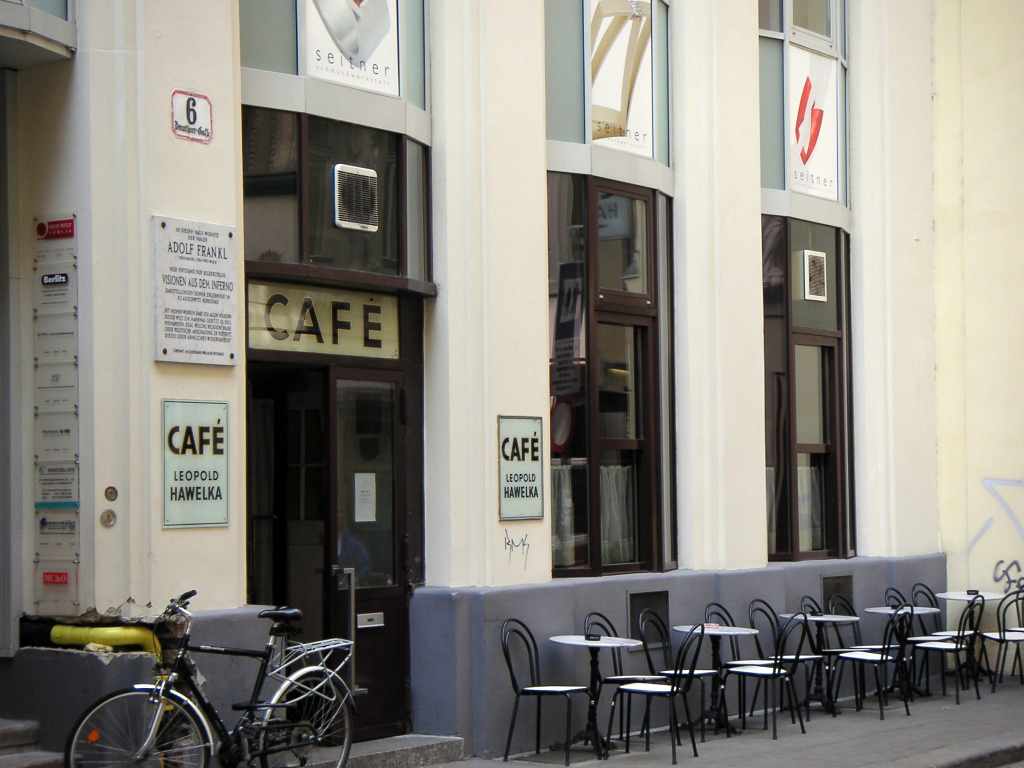
Innere Stadt post-war intellectual kaffeehaus — Dorotheergasse, the night-Buchteln.
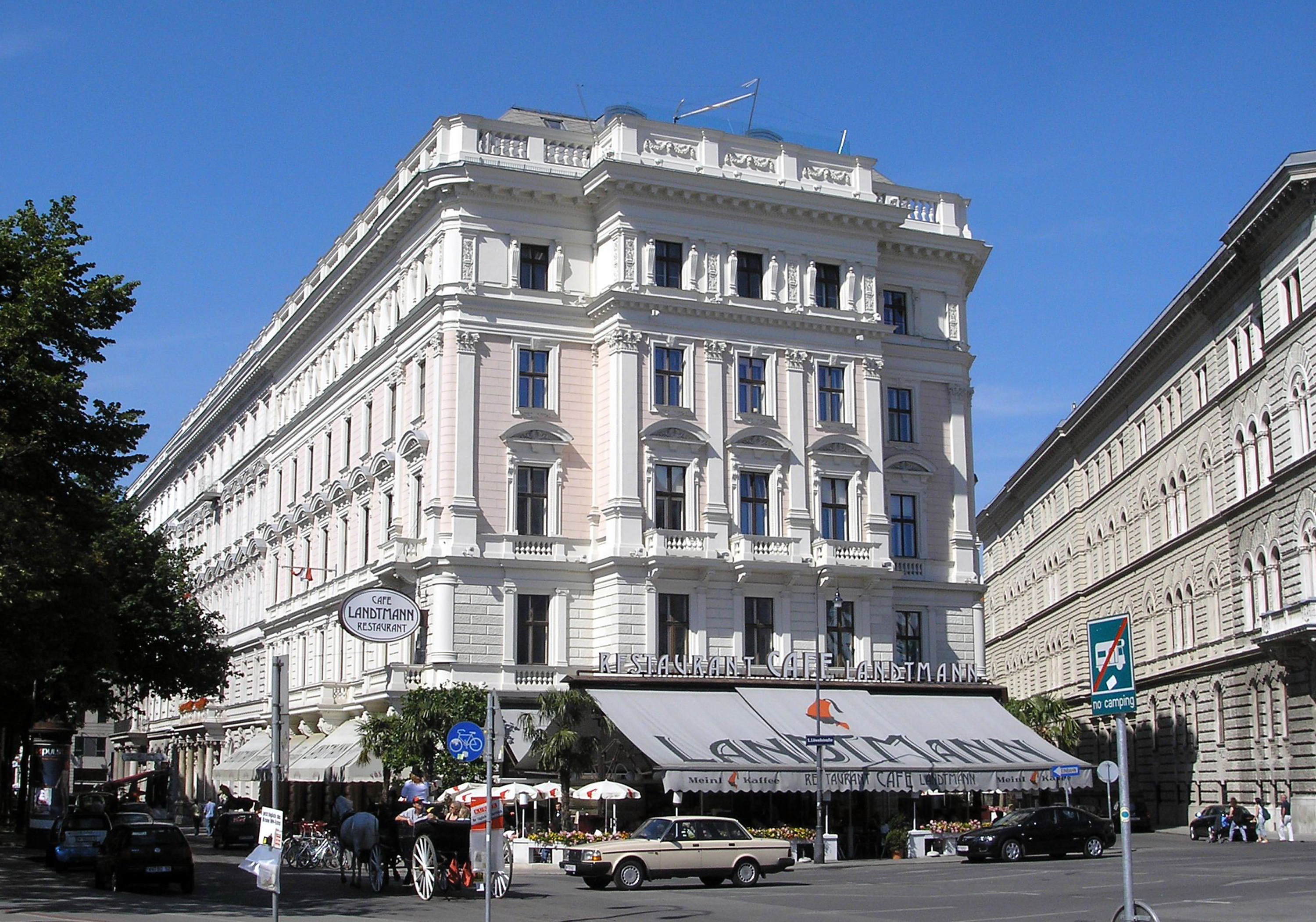
Ringstraße kaffeehaus since 1873 — the Burgtheater room, Freud's regular table.
Sachertorte's owner of record since 1832 — inside Hotel Sacher, opposite the Staatsoper.
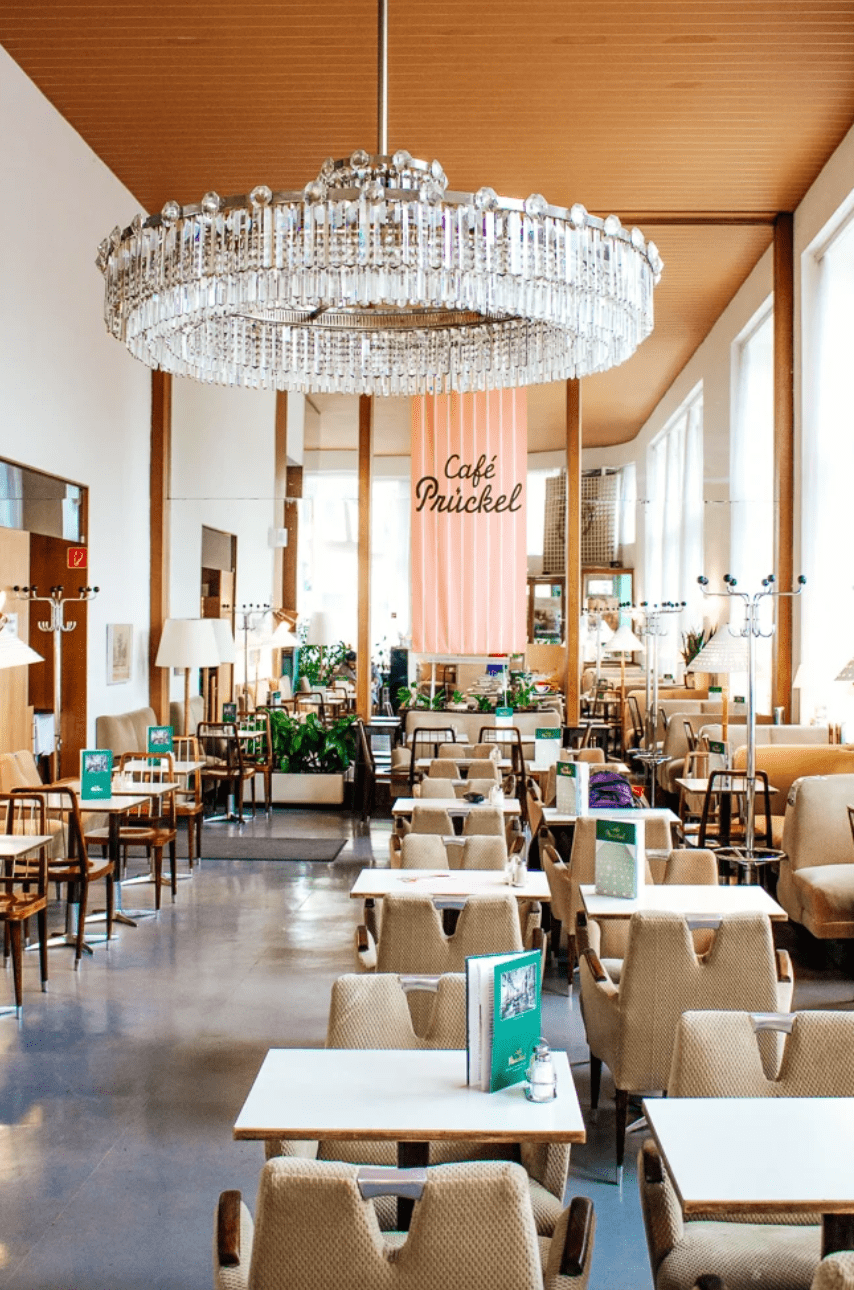
Stubenring kaffeehaus since 1903 — the 1950s interior intact, the live piano three nights.
2 locali
Adolf Loos's 1908 marble-and-mahogany cocktail bar — the smallest landmark in the 1.

Innere Stadt cocktail room since 1995 — the night-after-the-opera anchor.


