When the temperature drops and the Bosphorus winds sharpen, Istanbul's restaurants undergo a quiet transformation, from open terraces and sun-soaked lunches to steamed windows, slow braises, and the particular warmth of a meyhane in January.
Istanbul in summer is a city of surfaces. The terraces fill, the Bosphorus glitters, and the restaurants compete for the best outdoor table with the most unobstructed water view. It is beautiful, and it is also, in its way, shallow, the warmth makes everything easy and nothing urgent. Winter reverses this. When the northeast wind comes down the strait in December and the rain turns the cobblestones of Beyoğlu into rivers, the city folds inward and the food changes with it.
The meyhane in winter is an entirely different institution from the meyhane in summer. The windows fog with steam from the kitchen, the raki feels less like an accessory and more like a necessity, and the cold mezzes give way to hot ones, fried mussels, cheese-filled borek pulled from the oven, grilled octopus that arrives at the table still sizzling. At Refik in Asmalimescit, a corner table on a January evening is one of the most complete dining experiences the city offers: the room is loud, the food is honest, and the cold outside the door makes the warmth inside feel earned.
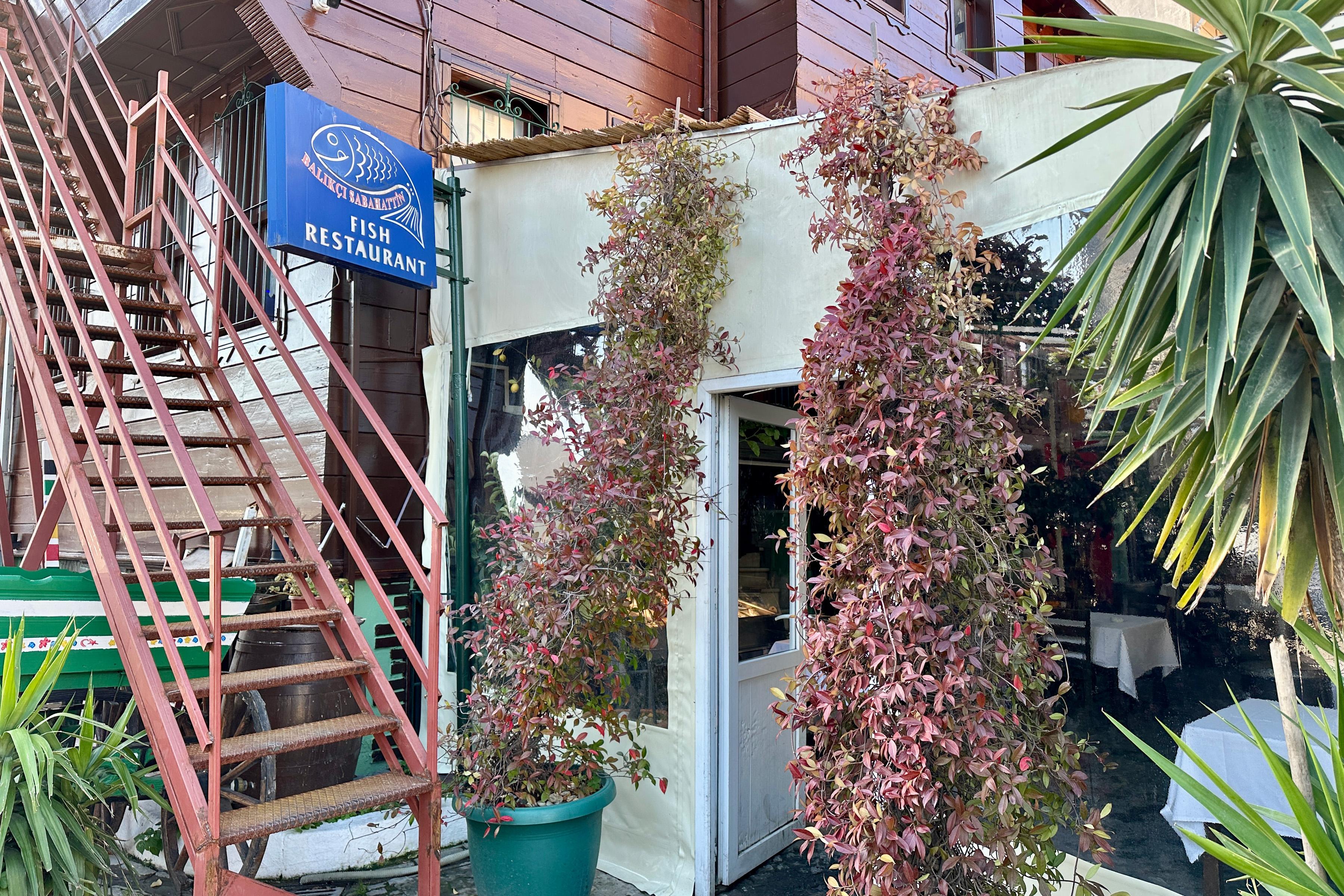
The slow-braised dishes of the Ottoman kitchen reach their peak in these months. Asitane, which has spent decades reconstructing palace recipes, serves lamb tandir and quince stews that belong to a season of early darkness and heavy coats. Balikci Sabahattin shifts its emphasis from grilled fish to the richer preparations, fish soups, pan-fried turbot with butter, whole sea bass baked in salt, that make sense when the temperature sits near zero and the wind comes off the Marmara.
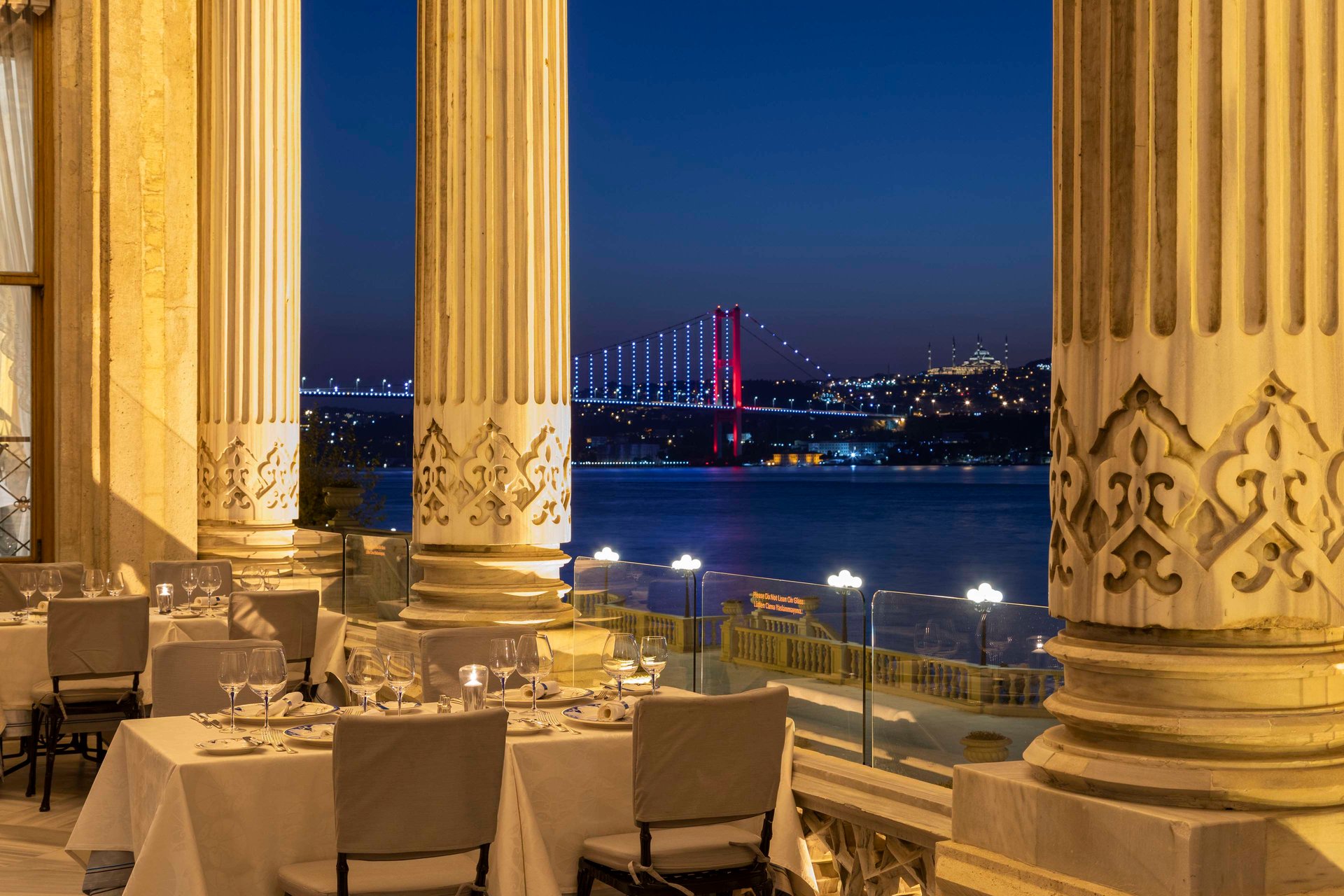
There is a practical argument for winter dining as well. The crowds that flood the Sultanahmet and Beyoğlu restaurants from May through October thin dramatically after November, and the tables that required two weeks' notice in summer are available on the same evening. Tugra at the Ciragan Palace, which in July feels like a stage set for visiting dignitaries, becomes in February a genuinely intimate room where the Bosphorus view through the arched windows is grey and wild and far more interesting than the summer postcard version.
New Year's Eve occupies its own category in Istanbul's dining calendar. The city takes the evening seriously, restaurants prepare special menus weeks in advance, families gather around long tables, and the countdown is marked not with champagne but with raki toasts and plates of food that keep arriving until well past midnight. Kor Agop in Kumkapi fills every table for the occasion, and the atmosphere carries a warmth that owes nothing to the heating and everything to the company.
The visitor who comes to Istanbul in winter finds a city that has stopped performing. The light is different, softer, more honest, occasionally dramatic when the sun breaks through storm clouds over the Golden Horn. The food is richer and slower. The restaurants feel less like destinations and more like refuges. This is not the Istanbul of the travel brochure, and it is better for it.