Munich's couture mile is read by most visitors as Bond Street, by most journalists as Old Money, and by most residents as a stretch they cross at thirteen-thirty for a particular kind of lunch, quiet, unhurried, and entirely unlike the version Maximilianstraße becomes after dark.
Maximilianstraße runs from the Nationaltheater at Max-Joseph-Platz east to the Maximilianeum across the Isar, a kilometre and a half of nineteenth-century neo-Gothic facades, jewellers' arcades, the Hotel Vier Jahreszeiten Kempinski mid-block, and a discreet pavement traffic that pretends not to notice itself. Visitors photograph it. Munich locals walk through it. The hour to read it correctly is one o'clock on a weekday, when the boutiques are quiet, the lunch tables fill, and the people who make decisions in this city sit visibly at the same handful of restaurants doing exactly what their parents did at the same age.
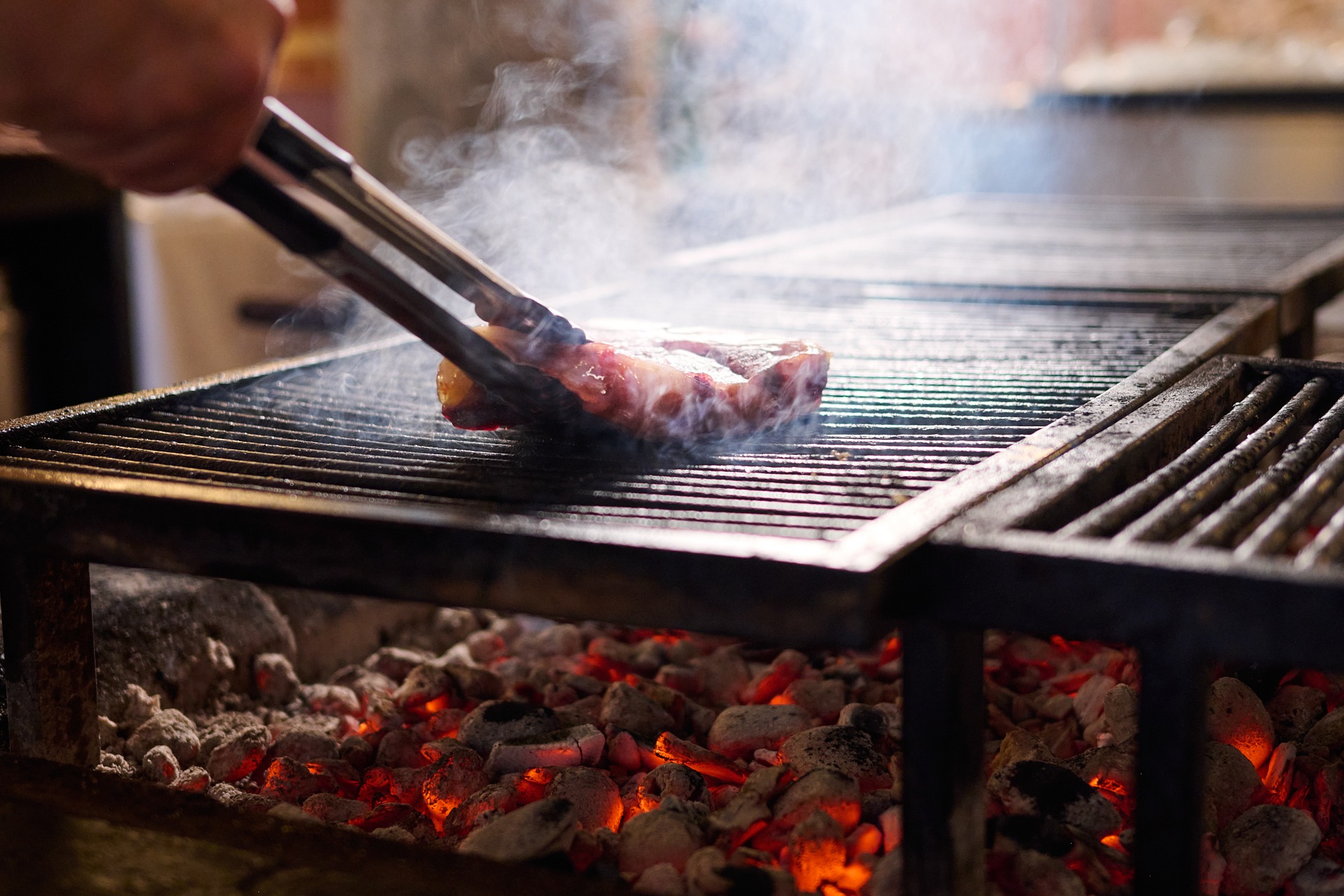
Brenner Operngrill is the canonical address. The room is the converted royal stables behind the Residenz, vaulted ceilings, a long open grill, and a layout that lets a banker who needs to be seen sit at the front while the family finalising a property purchase takes a corner table at the back. The menu reads grill and pasta and stays there. A piece of fish, an arugula salad, a glass of Grüner, the lunch order in this room has been the same lunch order for fifteen years, and the kitchen executes it with the unfussy precision of a place that knows exactly what its customers will order before they sit down.
Spatenhaus an der Oper, directly opposite, plays the more traditional Bavarian register. The first floor is white tablecloth and Tafelspitz; the ground floor is wood and Schweinsbraten; both rooms are full at lunch with a clientele that has been alternating between them for decades. This is where the Maximilianstraße lawyer takes the visiting client when the agenda calls for Bavarian gravity, and where the Bayerischer Hof concierge sends the guest who asked for 'somewhere proper'. Nothing here is a discovery. Everything works.
The third axis is Schumann's Tagesbar in the Hofgarten, around the corner. Charles Schumann's daytime room is a different operation from his evening bar, bright, white-walled, an Italian-leaning kitchen that does a Vitello Tonnato and a quietly serious wine list with the same care that the night room gives a Negroni. The customers are post-meeting, mid-afternoon, frequently alone with a book. The pace is unhurried. The bill arrives without being asked for, and only after you have finished an espresso. This is the room in which the city negotiates with itself in private.
For a faster but still discreet lunch, the Garden Restaurant inside the Bayerischer Hof, the courtyard pavilion under the glass roof, runs a brasserie menu the hotel guests share with locals who know to ask for the Garden table rather than the lobby. Vinothek by Geisel, on Schützenstraße between the Hauptbahnhof and the Altstadt, plays a similar role for the Italian-and-wine register: a small handful of perfect plates, a list curated from the family's own Italian estates, and a clientele that orders by the second glass. Both are the kind of room you book on Tuesday for Wednesday and find a table for the same party every two weeks.
The point of Maximilianstraße at lunch is not the food, exactly. The food is good but not eccentric; the rooms are handsome but not innovative; the wine is correct rather than discovered. The point is the hour itself, the hour during which the most expensive street in southern Germany operates, briefly, like a small town. People know each other. The waiter knows the order. The lunch table is one of three or four the diner uses on regular rotation, and the lunch itself is one of three or four lunches the same diner has had every Tuesday for ten years. After three, the boutiques refill, the pavement traffic resumes, and Maximilianstraße becomes again the street the visitors photograph. It is an hour worth catching, if you can read what it is showing you.