The producer market in Ortakent meydan, breakfast at Yarbasan, ice cream at Mavi Dondurma, a single morning that explains why the older Bodrum families never go to the marina before lunch.
The Bodrum that summers in Ortakent has a fixed weekend rhythm and it does not start at the beach. It starts in the village meydan, at a market that the older families have been walking through for so long that the rotation of stalls is read like a calendar. The Bodrum Tohum Derneği üretici pazarı runs Saturday mornings, but the same crowd treats Sunday as the proper village day, the day after the market, when the weekly produce is in the kitchen and breakfast lasts three hours.
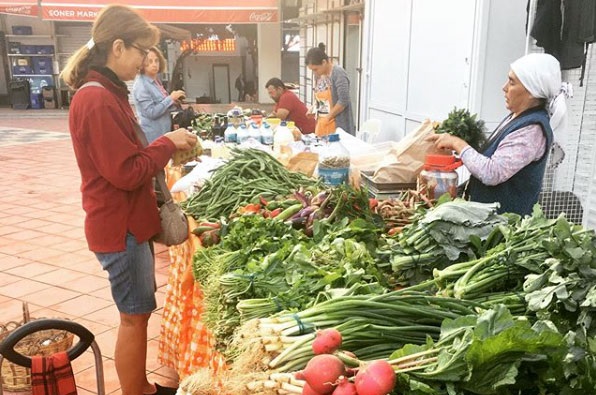
The market itself is the reason to be there before nine. Run as a joint project of Bodrum Belediyesi and the Tohum Derneği, the seed association that has spent two decades keeping the Aegean's endangered cultivars in rotation, it is roughly forty growers in a circle around the Ortakent meydan, selling what they grew that week. Heirloom domates with seven different shapes and four different sweetness profiles. Şevketibostan still on the stalk. Deniz börülcesi pulled out of the rocks that morning. Raw çam balı in glass jars sealed by hand. Ev tarhanası dried on muslin in a courtyard up the road. Hand-rolled erişte cut with the kind of slow knife-work that does not survive scale. In autumn, the pekmez. In winter, the dried otlar.
The market is not a curated farmers' market in the imported sense. It is what the village has always done, formalised once a week into a public meydan. The growers know each other; the Bodrum yazlıkçı who has been coming for thirty summers knows the growers; the prices are written on cardboard with a Sharpie. There is no music, no demonstration kitchen, no sign in English. It is the locals' Saturday, and the test of whether you belong is whether you arrive with cloth bags rather than expecting them to be supplied.
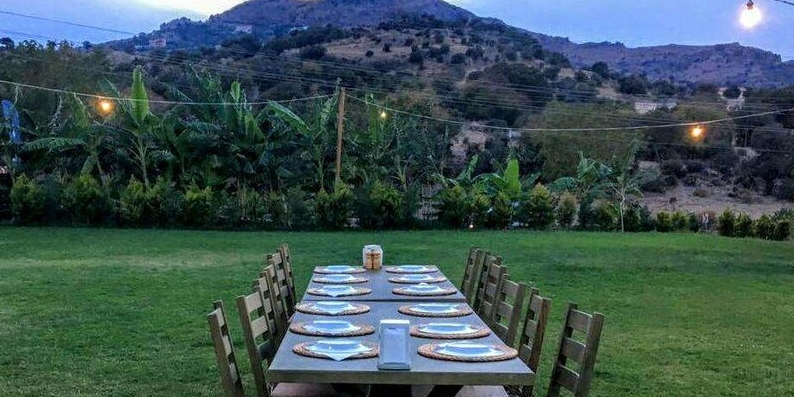
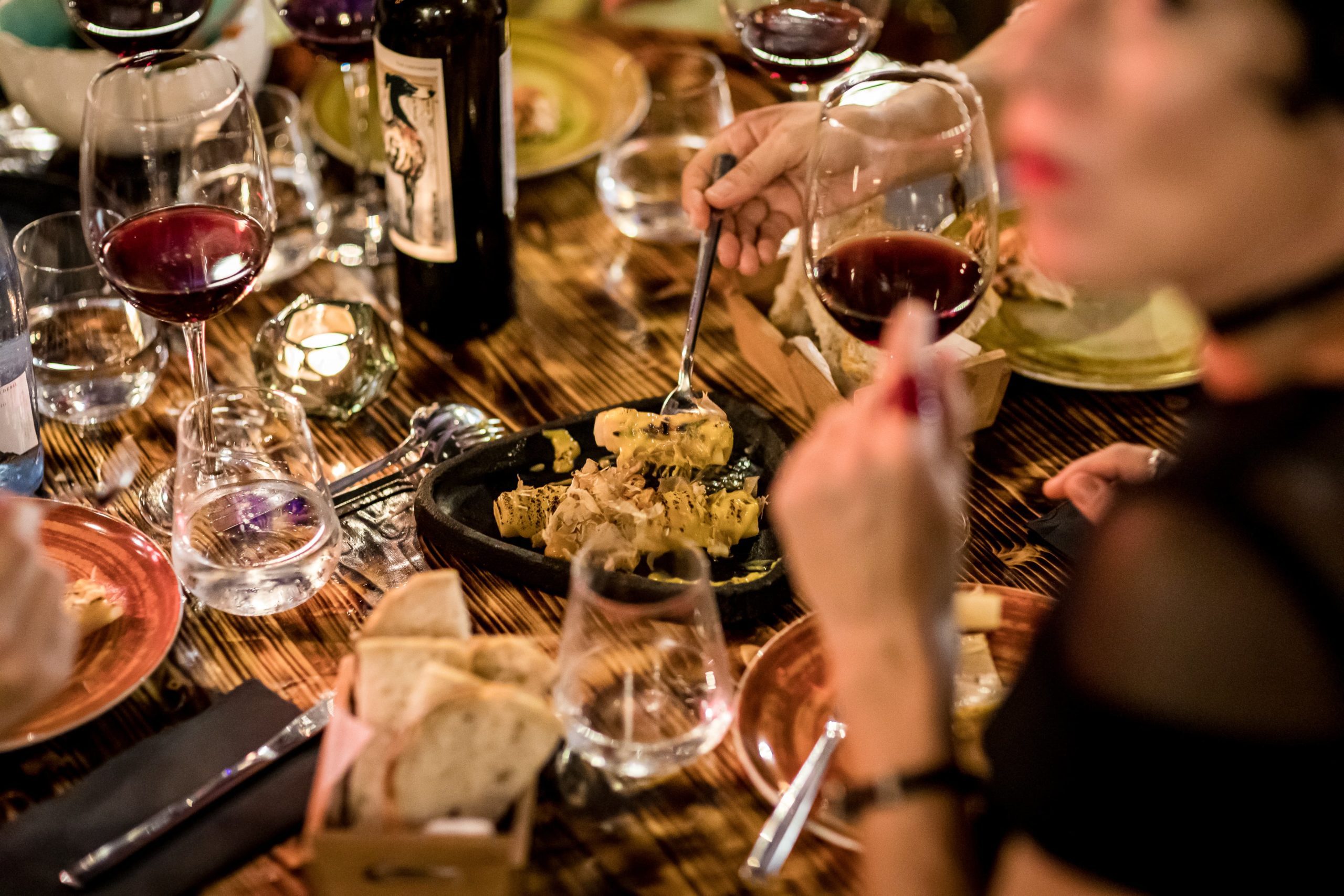
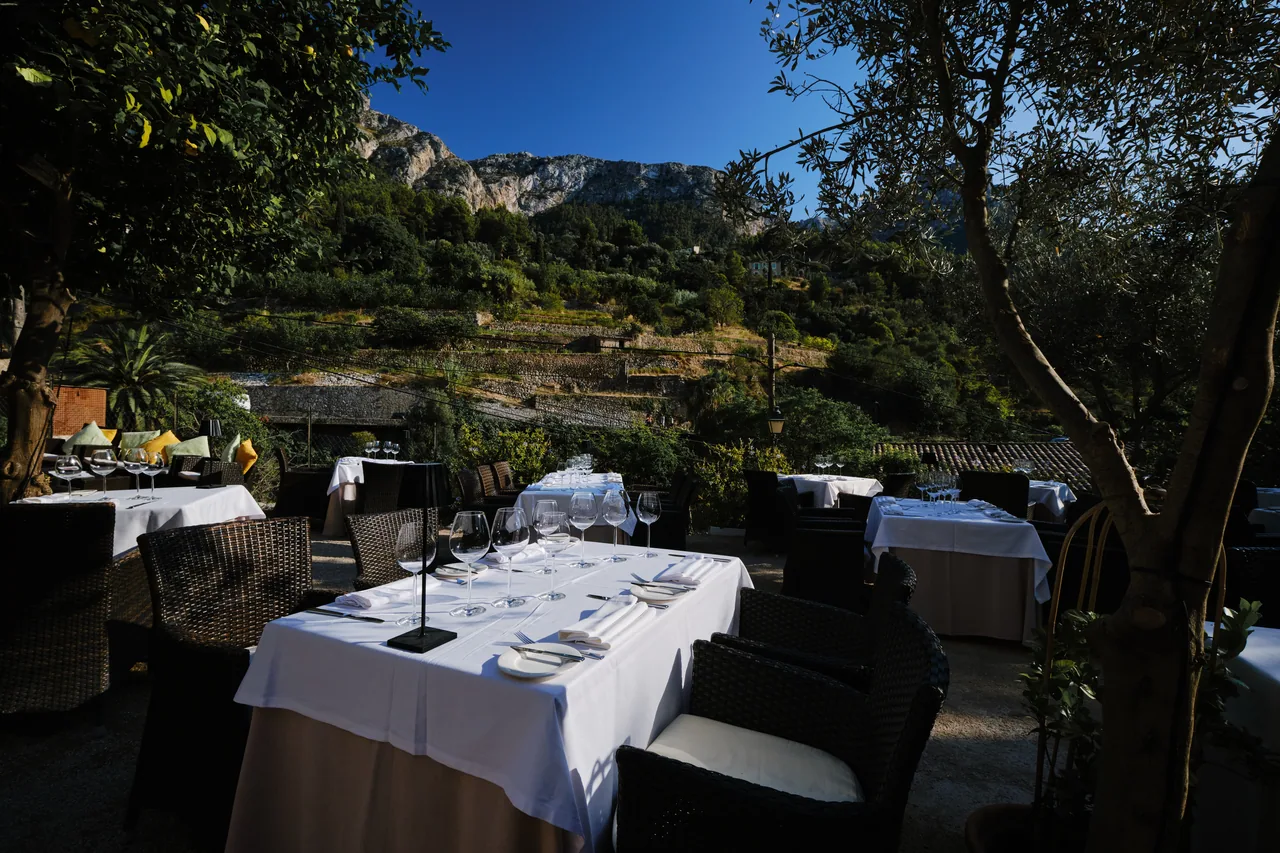
From the market, the proper move is breakfast at Yarbasan, twenty minutes' walk inland through the Yahşi backroads. Yarbasan works from a single Hortma Caddesi address and most of what reaches the table, the vegetables, the herbs, the jams, the cured charcuterie that has become the house signature, was grown or made on the property. The serpme runs as one long Aegean line: soft cheeses, hot pides off the back oven, eggs cooked to order, the year's preserves laid out in small ramekins. The room is large, the trees are old, and the pace is slow. Reservations are not a suggestion. The Sunday seatings fill in advance and have done since the kitchen found its current form.
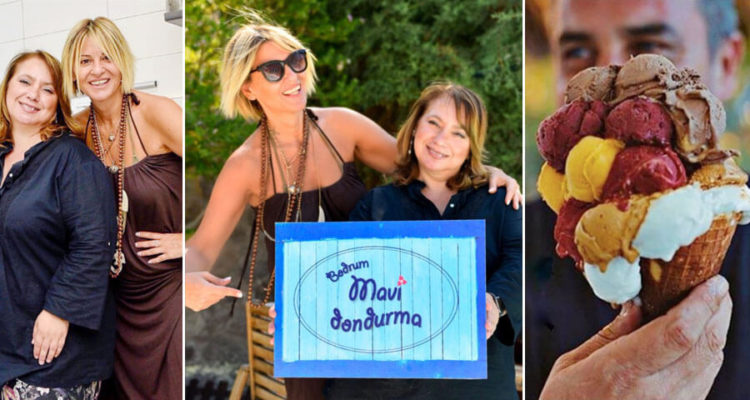
After Yarbasan, the village rule is to walk back through the meydan and stop at Mavi Dondurma. The Bodrum Mavi Dondurma stand has held its corner long enough to be a fixed reference point in the village; the production is small, the flavour rotation tracks the season, and the texture is the dense Maraş-style that holds together in heat without becoming chewy. Damla sakızı in May. Mandalina in late autumn. The Müskebi citrus belt sits ten minutes away, which is why the citrus dondurmas in Ortakent taste of something that the supermarket version does not.
What the morning teaches, repeated across a few weekends, is the older Bodrum proposition that the photographed Bodrum has either forgotten or pretends not to remember: the village is the centre of the day, not the beach. The market sets the kitchen for the week; breakfast at Yarbasan stretches the meal to a long, mid-morning lunch; the ice cream at Mavi closes it. By noon, the families who have done this since they were children move down to the cove or back to the bahçe and do not surface again until evening. The marina, by then, is busy on its own terms. They are not in it.
The newer Bodrum has tried to import the village idea, the curated 'producer experience', the chef who hands you a basil leaf at the table, the pop-up market on a hotel terrace, and none of it works for the same reason: the village exists because the village has always been there. Ortakent does not perform itself for the visitor. The market is the market. Yarbasan is the breakfast room. Mavi is the dondurma. You either show up and use them or you stay at the marina and wonder where the actual life of the peninsula is happening. It is happening in Ortakent, on the morning after market day, exactly as it has for as long as anyone can remember.